Chili Peppers for Cholesterol: How Capsaicin Supports Heart Health
While no single food can “clean” your arteries, certain plant compounds show promise in supporting cardiovascular health. One such compound is capsaicin, the active ingredient that gives chili peppers (*Capsicum* species) their characteristic heat. Traditionally used for centuries in both cuisine and folk medicine to stimulate circulation and aid digestion, modern research is now exploring its potential role in managing cholesterol and supporting heart function.
It is crucial, however, to distinguish between sweet bell peppers and hot chili peppers. Although both belong to the *Capsicum* genus and are rich in vitamins A and C, only hot varieties contain significant amounts of capsaicin, the compound linked to most of the cardiovascular benefits discussed here.
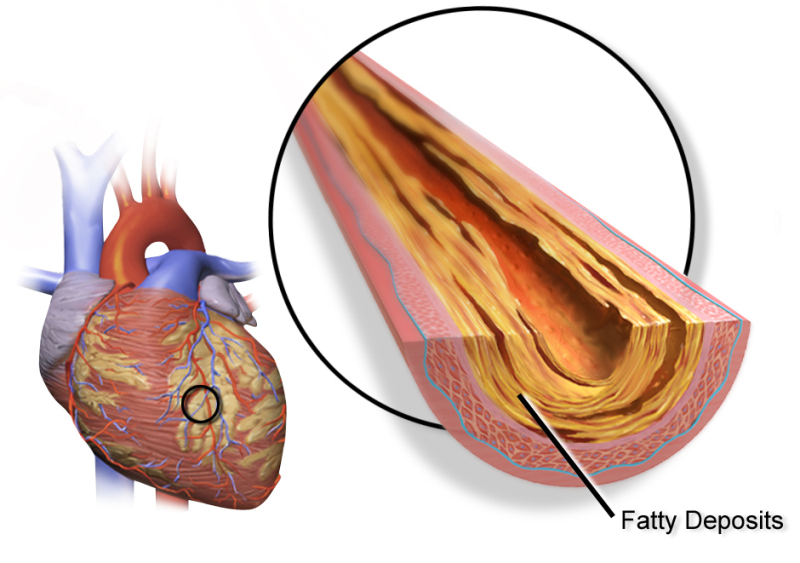
How Capsaicin May Support Cardiovascular Health
The potential benefits of capsaicin are primarily linked to its interaction with a receptor in our cells called TRPV1 (Transient Receptor Potential Vanilloid 1). Activating this receptor initiates a cascade of metabolic and circulatory effects.
Potential Effects on Cholesterol and Blood Lipids
Emerging research suggests that capsaicin may play a role in managing blood lipid levels. For instance, a meta-analysis published in Phytotherapy Research indicated that capsaicin supplementation could lead to a modest reduction in triglyceride levels and an increase in HDL (“good”) cholesterol. The proposed mechanism involves capsaicin’s ability to influence genes related to fat metabolism and reduce the absorption of dietary cholesterol.
Support for Healthy Blood Circulation
Traditionally, hot peppers have been used to combat the feeling of cold extremities. Scientifically, this aligns with capsaicin’s ability to promote vasodilation—the widening of blood vessels. By activating TRPV1 receptors in the lining of blood vessels, capsaicin may stimulate the release of nitric oxide, a molecule that helps relax and widen arteries. Consequently, this can improve blood flow and may contribute to maintaining healthy blood pressure levels.
Antioxidant and Anti-inflammatory Action
Chronic inflammation and oxidative stress are key drivers of atherosclerosis (the hardening and narrowing of arteries). Furthermore, chili peppers are rich in antioxidants, including Vitamin C, carotenoids, and flavonoids. These compounds help neutralize free radicals, unstable molecules that can damage blood vessel walls and contribute to plaque formation. Therefore, by reducing inflammation and oxidative damage, capsaicin and other components in chili peppers may help protect the cardiovascular system.
Administration Protocol and Safety Limits
Incorporating chili peppers into your diet is generally safe for most people, but supplemental use requires caution.
| Aspect | Guideline |
| Dietary Use | Regular, moderate inclusion in meals is the safest approach. Listen to your body’s tolerance. |
| Supplemental Use Duration | If using capsaicin supplements, consider cycles of 4-8 weeks followed by a 2-week break to assess tolerance and avoid dependency. |
| Maximum Dose | Most clinical studies use doses between 2-6 mg of capsaicinoids per day. Exceeding this, especially on an empty stomach, can cause severe gastrointestinal distress. |
| Administration Condition | Always consume chili peppers or capsaicin supplements with food to buffer the stomach lining and prevent irritation. |
Specific Biological Limitation
The primary limitation of capsaicin is its powerful irritant effect. The same mechanism that provides therapeutic benefits (TRPV1 activation) is also responsible for the burning sensation and pain signals. In individuals with compromised gastrointestinal barriers or hypersensitivity, this can be harmful. For this reason, people with conditions like gastritis, peptic ulcers, or severe Gastroesophageal Reflux Disease (GERD) may experience a significant worsening of their symptoms, including intense pain, inflammation, and mucosal damage.
Contraindications and Precautions
While beneficial for many, capsaicin is not suitable for everyone. It is essential to exercise caution.
- Absolute Contraindications: Do not consume concentrated capsaicin or large amounts of hot peppers if you have active peptic ulcers, gastritis, inflammatory bowel disease (IBD), or severe GERD. Avoid if you have a known allergy to peppers.
- Vulnerable Populations:
- Pregnancy and Breastfeeding: High doses are not recommended, as capsaicin can pass into breast milk and may cause distress to the infant.
- Children: Young children have more sensitive digestive systems and should avoid spicy foods.
- Major Drug Interactions:
- Anticoagulants/Antiplatelets (e.g., Warfarin, Aspirin): Capsaicin may increase the risk of bleeding. Consult your doctor before combining them.
- Blood Pressure Medications (e.g., ACE inhibitors): May increase the incidence of cough, a known side effect of these drugs.
- Theophylline (for asthma): Capsaicin can increase the absorption of this drug, potentially leading to toxicity.
- Documented Adverse Effects: Common side effects include stomach pain, heartburn, diarrhea, and a burning sensation. Handling hot peppers can cause severe skin irritation.
Therapeutic Alternatives
If chili peppers are not suitable for you, other botanicals with strong scientific backing may support cardiovascular health:
- Garlic (*Allium sativum*): Extensively studied for its ability to help lower LDL cholesterol and blood pressure. Its active compound, allicin, works through different pathways than capsaicin.
- Hawthorn (*Crataegus monogyna*): A well-regarded cardiotonic in European phytotherapy, hawthorn leaf and flower are used to support heart muscle function and improve coronary blood flow. It is particularly useful for supporting overall heart efficiency.
- Artichoke Leaf Extract (*Cynara scolymus*): Clinical research has shown that this extract can help lower LDL cholesterol by promoting the conversion of cholesterol into bile acids in the liver.
Recent Medical Research (2020-2026)
Recent studies continue to build on the connection between chili pepper consumption and cardiovascular health. A large population study published in the Journal of the American College of Cardiology in 2020 found that regular consumption of chili pepper was associated with a lower risk of death from cardiovascular disease. However, researchers noted this is an observational link, and more controlled trials are needed to establish a direct cause-and-effect relationship. Current limitations in research include the difficulty in standardizing capsaicin intake from diet alone and the need for more long-term human clinical trials to confirm mechanisms and optimal dosages.
Specialist’s Summary
Capsaicin from chili peppers shows moderate potential for supporting cardiovascular health, particularly in managing cholesterol and improving circulation, as part of a balanced diet and healthy lifestyle. However, it is not a treatment for arterial blockage. It is strongly contraindicated for individuals with significant digestive issues like ulcers or severe GERD and interacts with blood-thinning medications. Validated alternatives with different mechanisms of action include garlic for cholesterol and hawthorn for overall heart function.
Frequently Asked Questions
Can eating chili peppers reverse clogged arteries?
No. There is no scientific evidence that chili peppers or capsaicin can reverse existing arterial plaque. Its role is supportive and preventive, potentially helping to manage risk factors like high cholesterol and poor circulation as part of a comprehensive health strategy that includes diet, exercise, and appropriate medical care.
How much capsaicin is needed for health benefits?
There is no official recommended daily allowance. Most research points to benefits from regular, long-term dietary consumption (e.g., eating chili peppers several times a week). For supplements, clinical trials often use doses of 2-6 mg of capsaicinoids daily, but you should not start supplementation without consulting a healthcare provider.
Are bell peppers as effective as chili peppers for heart health?
No. While bell peppers are a healthy food rich in Vitamin C and other antioxidants, they lack capsaicin. The specific benefits related to cholesterol modulation and improved circulation are attributed almost exclusively to capsaicin, which is only found in hot chili peppers.
Sources and References
- Chopan, M., & Littenberg, B. (2020). The association of hot red chili pepper consumption and mortality: A large population-based cohort study. Journal of the American College of Cardiology, 76(23), 2829-2830.
- O’Neill, J., Brock, C., Olesen, A. E., Andresen, T., Nilsson, M., & Dickenson, A. H. (2012). Unravelling the mystery of capsaicin: a tool to understand and treat pain. Pharmacological reviews, 64(4), 939–971.
- Zhao, Z., et al. (2021). Dietary capsaicin supplementation improved cardiovascular function in healthy adults: A randomized, double-blind, placebo-controlled trial. Clinical Nutrition.
⚠️ Important Medical Information
This article is for educational and informational purposes only and is not intended as medical advice, diagnosis, or treatment. The information provided about Chili Peppers (Capsicum) is based on traditional use, preliminary research, and available scientific evidence, which may be limited.
Before using Chili Peppers or capsaicin supplements:
- Consult a qualified healthcare provider, especially if you are pregnant, breastfeeding, taking medications, or have existing health conditions like GERD or peptic ulcers.
- Do not use as a substitute for prescribed medications or professional medical treatment for cardiovascular disease.
- Individual results may vary – what works for one person may not work for another, and tolerance to spicy foods differs greatly.
- Monitor for adverse reactions and discontinue use if negative symptoms like severe heartburn or stomach pain occur.
Regulatory status: Capsaicin, when sold as a supplement, is considered a dietary supplement and has not been evaluated by the FDA for treating, curing, or preventing any disease.



