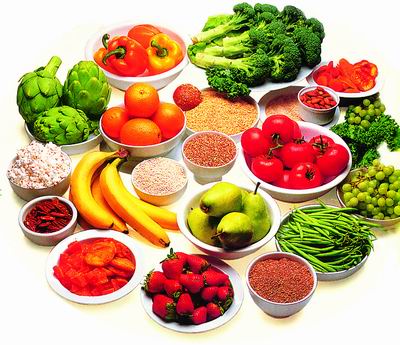
A balanced and healthy diet is fundamental for obtaining the essential nutrients your body requires for optimal function. Indeed, both adults and children need proper nutrition to support a long and healthy life. However, when the diet lacks specific vitamins or minerals, nutritional deficiencies can develop. Consequently, these can range from mild to severe and may lead to serious health conditions if left unaddressed.
This article provides an evidence-based overview of common nutritional deficiencies, their signs, and food-based strategies to help address them. Furthermore, it emphasizes the importance of consulting a healthcare provider for accurate diagnosis and treatment.

Understanding Key Nutritional Deficiencies
Nutrient deficiencies occur when the body doesn’t absorb or get from food the necessary amount of a nutrient. Below, we explore several common deficiencies and their associated health implications.
Iron Deficiency (Anemia)
Iron is a critical component of hemoglobin, the protein in red blood cells that transports oxygen from the lungs to the rest of the body. Therefore, a lack of iron can lead to iron-deficiency anemia, the most common nutritional disorder worldwide.
- Common Signs: Persistent fatigue, weakness, pale skin, shortness of breath (dyspnoea), and dizziness.
- Evidence-Based Food Sources: The body absorbs two types of dietary iron: heme (from animal sources) and non-heme (from plant sources). For instance, excellent plant-based sources include lentils, chickpeas, tofu, spinach, and pumpkin seeds.
- Phytotherapy Tip: To significantly enhance the absorption of non-heme iron, always consume it with a source of vitamin C. For example, squeeze lemon juice over a spinach salad or pair beans with bell peppers.
Vitamin C Deficiency (Scurvy)
Vitamin C (ascorbic acid) is essential for the synthesis of collagen, a protein vital for skin, blood vessels, bones, and wound healing. Historically, severe deficiency, known as scurvy, was common among sailors. While rare today, mild deficiency is still possible.
- Common Signs: Bleeding gums, slow-healing wounds, easy bruising, joint pain, and decaying of gums.
- Evidence-Based Food Sources: Vitamin C is sensitive to heat, so fresh sources are best. Excellent options include citrus fruits (oranges, lemons), strawberries, kiwi, bell peppers, and broccoli.
Vitamin D and Calcium Deficiency (Osteoporosis & Rickets)
Vitamin D and calcium work together to build and maintain strong bones. Specifically, Vitamin D is crucial for absorbing calcium from the gut. A deficiency in these nutrients can lead to rickets in children (soft, weak bones) and osteoporosis in adults (brittle bones).
- Common Signs: Bone pain, frequent fractures, muscle weakness, and skeletal deformities in children (such as bowed legs).
- Evidence-Based Food Sources:
- Calcium: Dairy products, fortified plant milks, tofu, kale, and spinach.
- Vitamin D: The primary source is sun exposure on the skin. Dietary sources are limited but include fatty fish, fortified milk, and UV-exposed mushrooms. For this reason, supplementation is often recommended, especially in regions with limited sunlight.
Iodine Deficiency (Goiter)
The thyroid gland requires iodine to produce thyroid hormones, which regulate metabolism. Consequently, an iodine deficiency can cause the thyroid gland to enlarge, a condition known as goiter, and lead to hypothyroidism.
- Common Signs: Swelling in the neck (goiter), fatigue, weight gain, and impaired cognitive development in infants born to deficient mothers.
- Evidence-Based Food Sources: The most reliable source is iodized salt. Additionally, seaweed (like kombu and nori) and saltwater fish are naturally rich in iodine.
Vitamin B3 (Niacin) Deficiency (Pellagra)
Niacin is vital for converting food into energy and supporting cellular function. A severe deficiency results in pellagra, a systemic disease. While uncommon in developed nations, it remains a concern in some parts of the world.
- Common Signs: Pellagra is classically characterized by the “four Ds”: dermatitis (a sun-sensitive rash), diarrhea, dementia, and, if untreated, death.
- Evidence-Based Food Sources: Good sources include tuna, chicken, peanuts, mushrooms, and whole grains.
Vitamin A Deficiency (Night Blindness)
Vitamin A is critical for vision, immune function, and cellular growth. One of the earliest signs of deficiency is difficulty seeing in low light, known as night blindness (nyctalopia).
- Common Signs: Night blindness, dry eyes, and increased susceptibility to infections.
- Evidence-Based Food Sources: You can find preformed vitamin A (retinol) in liver and dairy products. Moreover, the body can convert provitamin A carotenoids from plant sources like carrots, sweet potatoes, and dark leafy greens into vitamin A. Importantly, consuming these with a source of fat improves absorption.
Herbal Allies for Nutrient Absorption
In phytotherapy, certain herbs are traditionally used to support digestion and nutrient assimilation. However, they are not a substitute for a nutrient-rich diet or medical treatment for deficiencies.
| Herb | Traditional Use & Mechanism | Safety Note |
|---|---|---|
| Dandelion Root (Taraxacum officinale) | As a bitter herb, it is traditionally used to stimulate the production of bile and digestive enzymes, which may improve the breakdown of fats and absorption of fat-soluble vitamins (A, D, E, K). | Avoid if you have bile duct obstruction or allergies to the Asteraceae family. |
| Nettle Leaf (Urtica dioica) | Traditionally valued as a nutritive tonic, nettle is naturally rich in minerals like iron and calcium. It is often used in infusions to support overall mineral status. | Use cooked or dried nettle to neutralize stinging hairs. Consult a doctor if taking blood pressure or diabetes medication. |
Specialist’s Summary
Nutritional deficiencies can manifest through a wide range of symptoms, from fatigue to severe systemic diseases. A diet rich in diverse, whole foods is the primary strategy for prevention. For instance, focusing on colorful vegetables, lean proteins, and whole grains provides a broad spectrum of essential nutrients. However, if you suspect a deficiency, it is crucial to seek a medical diagnosis, as self-treating with high-dose supplements can be dangerous. Herbal allies like dandelion root may support digestion, but they cannot correct a significant nutrient shortfall alone.
Frequently Asked Questions
Can I fix a nutritional deficiency with diet alone?
For mild deficiencies, dietary changes are often sufficient and are the safest first step. However, for moderate to severe deficiencies, a healthcare provider will likely recommend targeted, high-dose supplements to restore levels safely and efficiently, which is difficult to achieve through food alone.
Are plant-based diets more likely to cause deficiencies?
Any poorly planned diet can lead to deficiencies. While plant-based diets can be exceptionally healthy, they require careful planning to ensure adequate intake of certain nutrients, most notably Vitamin B12 (which requires supplementation), iron, calcium, and vitamin D. Consulting a registered dietitian can be very helpful.
How long does it take to correct a deficiency?
The timeline varies significantly based on the nutrient, the severity of the deficiency, and the treatment method. For example, some people feel better within weeks of starting iron supplements, while rebuilding bone density for calcium and vitamin D deficiency can take many months or even years.
Sources and References
This article relies on established nutritional science and clinical guidelines. For further reading, please consult authoritative sources such as the World Health Organization (WHO) and national health institutes.
- Tardy, A. L., Pouteau, E., et al. (2020). Vitamins and Minerals for Energy, Fatigue and Cognition: A Narrative Review of the Biochemical and Clinical Evidence. Nutrients. Link to study
- World Health Organization. (2021). Malnutrition. WHO Fact Sheets
**⚠️ Important Medical Information**
This article is for **educational and informational purposes only** and is not intended as medical advice, diagnosis, or treatment. The information provided about nutritional deficiencies is based on general scientific evidence and is not a substitute for a professional medical evaluation.
**Before making significant dietary changes or taking supplements:**
– **Consult a qualified healthcare provider** for accurate diagnosis through blood tests and a full health assessment.
– **Do not use this information to self-diagnose** or as a substitute for prescribed medications or professional medical treatment.
– **Individual nutritional needs may vary** based on age, sex, health status, and other factors.
– **Monitor for adverse reactions** to any new foods or supplements and discontinue use if negative symptoms occur.
**Regulatory status:** Dietary supplements are regulated differently from prescription drugs and their efficacy for treating medical conditions has not always been evaluated by the FDA.