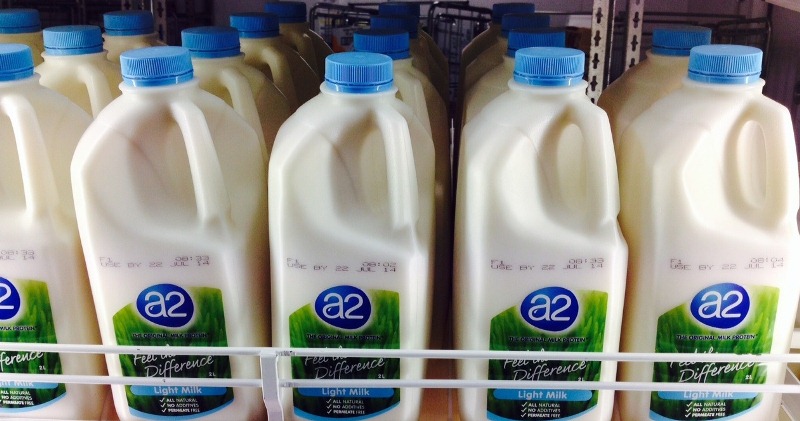
Milk is widely recognized as a significant source of essential nutrients, particularly calcium, which is crucial for bone health. Public health campaigns often encourage its consumption, especially for children and populations at risk for osteoporosis. However, a significant debate exists regarding the effects of pasteurization on milk’s nutritional value and overall health impact. This article provides an evidence-based evaluation of pasteurized milk, contrasting it with raw milk and clarifying common misconceptions based on current scientific understanding.
⚠️ WARNING – Critical Public Health Advisory on Raw Milk Consumption!
Major public health organizations, including the U.S. Food and Drug Administration (FDA) and the Centers for Disease Control and Prevention (CDC), strongly advise against the consumption of raw (unpasteurized) milk. Raw milk can harbor dangerous pathogens, such as Salmonella, E. coli, Listeria, and Campylobacter, which are responsible for causing severe foodborne illnesses. These infections can lead to life-threatening conditions, including kidney failure, paralysis, and death. The risk is particularly high for children, pregnant women, the elderly, and individuals with compromised immune systems. Pasteurization is the only reliable method to eliminate these harmful bacteria.
The Pasteurization Process: Safety vs. Nutritional Changes
Pasteurization is a heat-treatment process designed to kill harmful microorganisms in beverages and foods. For milk, this typically involves heating it to a specific temperature for a set period (e.g., 72°C or 161°F for 15 seconds) and then rapidly cooling it. The primary and non-negotiable benefit of this process is public safety. Nevertheless, it is important to analyze the nutritional alterations that occur.
Impact on Macronutrients and Minerals
Contrary to common myths, pasteurization has a negligible effect on the core nutritional components of milk.
-
- Proteins: The two main proteins in milk are casein (about 80%) and whey (about 20%). Casein is heat-stable and largely unaffected. While some whey proteins may be denatured by heat, this does not reduce their nutritional value. In fact, denaturation can sometimes make proteins easier for the body to digest and absorb.
- Fats: The fat content and fatty acid profile of milk remain unchanged by pasteurization.
- Minerals: Minerals like calcium, phosphorus, and magnesium are heat-stable and are not lost during pasteurization. The bioavailability of calcium is not significantly reduced. The claim that pasteurization converts calcium into an unusable form (calcium carbonate) is scientifically unfounded.
Impact on Vitamins and Enzymes
The most notable changes occur in heat-sensitive (thermolabile) components.
-
- Vitamins: There can be a minor loss of some B vitamins (like B1, B6, B12, and folate) and a more significant reduction in vitamin C. However, milk is not a primary dietary source of vitamin C, and these losses are generally considered nutritionally insignificant within the context of a balanced diet. Importantly, many commercial milks are fortified with vitamins A and D after pasteurization.
- Enzymes: Pasteurization deactivates native milk enzymes like lipase and phosphatase. The claim that these enzymes are necessary for human digestion or calcium absorption is a persistent myth. The human body produces its own highly efficient enzymes for these processes. The deactivation of lipase is actually beneficial, as it prevents the development of rancid flavors during storage.

Dietary Recommendations and Safety Limits
Recommended Daily Intake
Dietary guidelines vary by country, but most recommend dairy as part of a healthy diet. For instance, the USDA suggests that adults consume approximately 3 cup-equivalents of dairy per day. This can include milk, yogurt, or cheese. The specific amount should be tailored to individual caloric needs, age, and health status.
Quantity and Maximum Dose
There is no strict “maximum dose” for milk, but moderation is key. Excessive consumption could lead to high saturated fat and calorie intake, potentially displacing other nutrient-dense foods from the diet. For most healthy adults, 2-3 servings (240 ml or 8 oz per serving) of dairy per day is a reasonable target.
Administration Condition
Milk can be consumed with or without meals. Some individuals with mild lactose intolerance find that consuming milk with food slows digestion and reduces symptoms. For those with no intolerance, timing is a matter of personal preference.
Key Biological Considerations for Milk Consumption
Lactose Intolerance
This is the most common issue related to milk consumption. Lactose intolerance is not an allergy but a digestive condition caused by a deficiency of the enzyme lactase, which is needed to break down lactose (milk sugar). Consequently, undigested lactose ferments in the colon, causing symptoms like bloating, gas, diarrhea, and abdominal pain. The prevalence of lactase deficiency varies significantly among different ethnic populations.
Cow’s Milk Allergy
A milk allergy is a true immune system response to milk proteins, primarily casein and whey. This reaction can be severe and potentially life-threatening (anaphylaxis). Symptoms can range from hives, wheezing, and vomiting to anaphylactic shock. Individuals with a diagnosed milk allergy must strictly avoid all milk and dairy products.
Contraindications and Precautions
Absolute Contraindications (Forbidden)
-
- Diagnosed Cow’s Milk Allergy: Consumption can trigger a severe or fatal allergic reaction.
- Galactosemia: A rare genetic disorder where the body cannot metabolize the sugar galactose, which is a component of lactose. Accumulation is toxic.
Vulnerable Populations
-
- Infants under 12 months: Cow’s milk is not a suitable replacement for breast milk or infant formula, as it is nutritionally incomplete for infants and difficult for them to digest.
- Individuals with Lactose Intolerance: While not an absolute contraindication, consumption should be limited or avoided to prevent gastrointestinal distress. Lactose-free milk or lactase enzyme supplements are viable alternatives.
Documented Adverse Effects
-
- Gastrointestinal: Bloating, gas, and diarrhea in lactose-intolerant individuals.
- Dermatological: Some studies suggest a correlation between high dairy intake and acne vulgaris in adolescents and young adults.
- Oncological Risk: Some large-scale epidemiological studies have suggested a possible link between very high dairy consumption and an increased risk of prostate cancer, though the evidence is not conclusive and requires further research. Conversely, dairy consumption has been associated with a lower risk of colorectal cancer.
Comparison: Pasteurized Milk vs. Alternatives
| Criterion | Pasteurized Cow’s Milk | Raw Cow’s Milk | Fortified Plant-Based Milk (e.g., Soy) |
|---|---|---|---|
| Microbial Safety | Very High (Pathogens eliminated) | Very Low (High risk of pathogens) | Very High (Typically UHT processed) |
| Protein Quality | High (Complete amino acid profile) | High (Complete amino acid profile) | High (Soy is a complete protein) |
| Natural Calcium | High and highly bioavailable | High and highly bioavailable | Low (Must be fortified) |
| Key Nutrients | Vitamin B12, Riboflavin, often fortified with Vitamin D | Slightly higher levels of some heat-sensitive vitamins | Fortified with Calcium, Vitamin D, and B12 |
| Primary Concern | Lactose intolerance or allergy | Severe risk of foodborne illness | Potential for allergens (soy, nuts), lower protein in some types |
Therapeutic Alternatives
For individuals who cannot or choose not to consume cow’s milk, numerous calcium-rich alternatives are available.
Botanical Alternatives (Plant-Based Milks)
-
- Fortified Soy Milk: Nutritionally the closest to cow’s milk, offering a complete protein profile. It is an excellent choice unless a soy allergy is present.
- Fortified Almond, Oat, or Rice Milk: These are lower in protein but are commonly fortified with calcium and vitamin D to levels comparable to cow’s milk. They are suitable for those with dairy and soy allergies.
Other Dietary Sources of Calcium
-
- Leafy Greens: Kale, collard greens, and broccoli are good sources of bioavailable calcium.
- Fortified Foods: Many products, such as tofu, orange juice, and cereals, are fortified with calcium.
- Fish with Edible Bones: Canned sardines and salmon are excellent sources of calcium and vitamin D.
Recent Medical Research (2020-2026)
Recent research continues to explore the complex relationship between dairy consumption and health.
-
- A 2020 review in The New England Journal of Medicine reiterated that dairy products are a convenient source of calcium and other nutrients but are not essential for health, provided these nutrients are obtained from other sources.
- A 2023 meta-analysis published in Nutrients confirmed that dairy consumption is generally associated with a neutral or slightly reduced risk of cardiovascular disease and a lower risk of colorectal cancer.
Current Limitations: The scientific verdict remains complex. Much of the research is observational, making it difficult to establish direct cause-and-effect relationships. The effects of dairy can also vary based on the type of product (e.g., fermented yogurt vs. milk) and an individual’s genetics and overall diet.
How to Choose Quality Milk
Reading the Label
-
- Pasteurization: Ensure the label clearly states “pasteurized.”
- Fat Content: Choose based on dietary needs (e.g., whole, 2%, 1%, or skim).
- Fortification: Look for milk fortified with Vitamin D, which is essential for calcium absorption, and Vitamin A.
- Certifications: “Organic” indicates the cows were not treated with antibiotics or growth hormones and were fed organic feed. “Grass-fed” suggests a potentially better fatty acid profile (more omega-3s).
Quick Guide: Milk Consumption Safety
| Category | Details |
|---|---|
| ❌ Who should AVOID | • Individuals with a diagnosed cow’s milk allergy • Patients with galactosemia • Infants under 1 year of age |
| 📊 Recommended Intake | • Adults: 2-3 servings (240 ml / 8 oz each) per day • Choose fat content based on overall dietary goals |
| 🚨 ALARM signs | • Allergy: Hives, swelling, difficulty breathing (seek immediate medical help) • Intolerance: Severe or persistent bloating, gas, diarrhea, abdominal cramps |
| ⚠️ Major Health Risk | • Consuming raw (unpasteurized) milk carries a high risk of severe bacterial infection. |
| ⏱️ When to consult a doctor | IMMEDIATELY if signs of an allergic reaction appear. Consult a doctor or registered dietitian if you suspect lactose intolerance to confirm the diagnosis and develop a suitable dietary plan. |
💡 Golden rule: When in doubt, consult a healthcare professional or registered dietitian!
Specialist’s Summary
Pasteurization is a critical public health measure that effectively eliminates dangerous pathogens from milk with only minor effects on its overall nutritional profile. While some heat-sensitive vitamins are reduced, key nutrients like calcium, protein, and magnesium remain largely intact and bioavailable. The primary health concerns related to pasteurized milk are lactose intolerance and milk allergies, not the pasteurization process itself. Raw milk consumption is strongly discouraged due to the significant risk of life-threatening infections. For those who cannot consume dairy, numerous fortified plant-based alternatives are available.
Frequently Asked Questions
Does pasteurization destroy the nutrients in milk?
No, pasteurization does not destroy the major nutrients. It has a negligible effect on minerals like calcium, protein, and fats. It does cause a minor reduction in some heat-sensitive vitamins, but this is not considered significant in the context of a varied diet. The primary benefit of eliminating harmful bacteria far outweighs these small nutritional changes.
Is raw milk healthier than pasteurized milk?
No. From a public health and safety standpoint, raw milk is not healthier; it is significantly more dangerous. While it may contain slightly higher levels of certain enzymes and vitamins, it also carries a serious risk of contamination with deadly pathogens. Major health organizations universally recommend consuming only pasteurized milk.
What are the best alternatives to cow’s milk for someone with lactose intolerance?
The best alternatives include lactose-free cow’s milk (where lactase enzyme has been added) or fortified plant-based milks such as soy, almond, or oat milk. It is important to choose versions that are fortified with calcium and vitamin D to ensure they are nutritionally comparable.
Can drinking milk cause osteoporosis?
No, this is a myth. The claim that milk leaches calcium from bones is scientifically incorrect. In fact, adequate intake of calcium and vitamin D, for which dairy is a primary source, is a cornerstone of osteoporosis prevention and management. High-quality clinical evidence supports dairy’s role in achieving peak bone mass during youth.
Sources and References
Official Monographs and Guidelines:
-
- FDA (U.S. Food and Drug Administration). The Dangers of Raw Milk.
- CDC (Centers for Disease Control and Prevention). Raw Milk Questions and Answers.
Recent Studies (2020-2026):
-
- Willett, W. C., & Ludwig, D. S. (2020). Milk and Health. The New England Journal of Medicine.
- Giosuè, A., et al. (2023). Milk and Dairy Products and Their Impact on Cardiovascular Diseases: A Narrative Review. Nutrients.