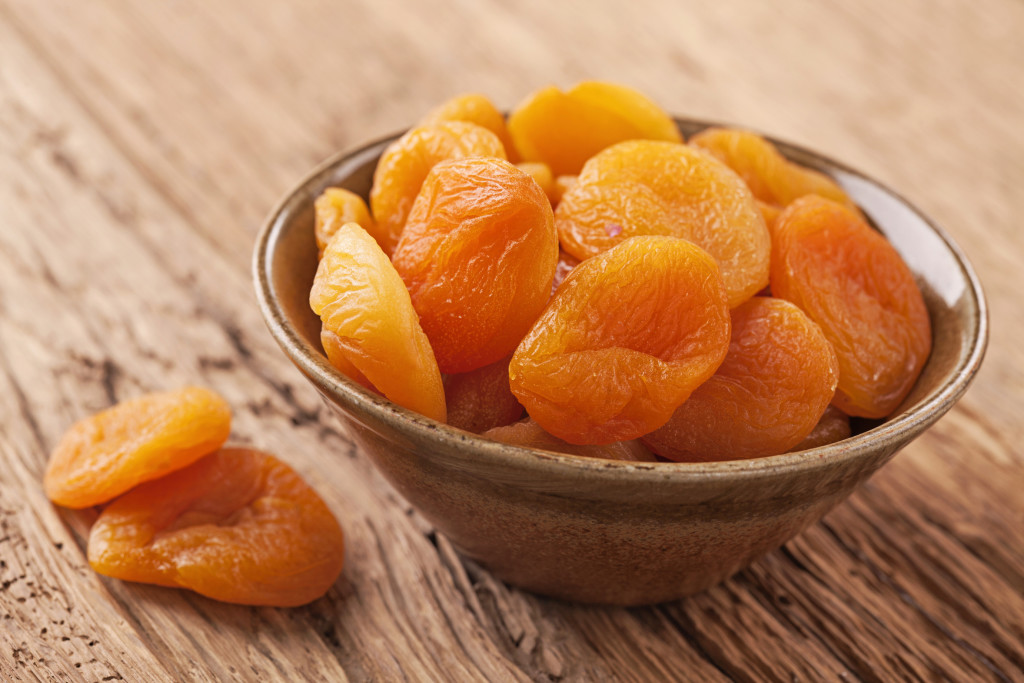
Dried apricots are a concentrated source of essential nutrients, offering more than just a convenient and sweet snack. Historically, drying fruits like apricots (Prunus armeniaca) was a primary method of preservation for the winter months. Today, we understand that the dehydration process not only preserves the fruit but also concentrates its vitamins, minerals, and bioactive compounds. However, this concentration also applies to its natural sugars, requiring mindful consumption.
This article provides an evidence-based overview of the nutritional profile and potential health benefits of dried apricots, grounded in scientific research and traditional use, while emphasizing crucial safety protocols.

Nutritional Profile of Dried Apricots
Dried apricots are exceptionally nutrient-dense. The drying process removes water, which significantly increases the concentration of nutrients per gram compared to fresh apricots. Consequently, they provide a potent source of vitamins, minerals, and dietary fiber.
| Nutrient (per 100g) | Approximate Amount | % of Daily Value (DV) |
|---|---|---|
| Dietary Fiber | 7.3 g | ~29% |
| Potassium | 1162 mg | ~33% |
| Vitamin A (from carotenoids) | 3604 IU | ~72% |
| Vitamin E | 4.3 mg | ~22% |
| Iron (non-heme) | 2.7 mg | ~15% |
| Copper | 0.3 mg | ~17% |
Furthermore, dried apricots are rich in phytochemicals, particularly carotenoids like beta-carotene, lutein, and zeaxanthin. The body converts beta-carotene into Vitamin A, which is vital for vision, immune function, and skin health. Lutein and zeaxanthin are antioxidants that accumulate in the retina, where research suggests they may help protect the eyes from oxidative damage.
Evidence-Based Health Benefits
While dried apricots are not a cure for any disease, their regular, moderate consumption may support several aspects of health.
1. Supports Digestive Health
Dried apricots are an excellent source of dietary fiber, containing both soluble and insoluble types. Soluble fiber dissolves in water to form a gel-like substance, which can help maintain healthy blood sugar and cholesterol levels. In contrast, insoluble fiber adds bulk to stool, promoting regular bowel movements. For this reason, dried apricots have been traditionally used to alleviate constipation.
2. May Aid in Blood Pressure Management
The high potassium content in dried apricots is a key factor in their potential cardiovascular benefits. Potassium is an essential electrolyte that helps regulate fluid balance, nerve signals, and muscle contractions. Importantly, it counteracts the effects of sodium, helping to relax blood vessel walls and lower blood pressure. A diet rich in potassium is associated with a reduced risk of hypertension and stroke, according to the American Heart Association.
3. Contributes to Anemia Prevention
Dried apricots contain non-heme iron, the type of iron found in plant-based foods. While not as readily absorbed as heme iron from animal sources, it still contributes to daily iron intake, which is crucial for producing hemoglobin and preventing iron-deficiency anemia. To enhance absorption, it is beneficial to consume dried apricots with a source of vitamin C, such as citrus fruits or bell peppers.
4. Promotes Eye Health
As a potent source of Vitamin A and carotenoids like lutein and zeaxanthin, dried apricots support ocular health. Vitamin A is a critical component of rhodopsin, a protein in the eyes that allows for vision in low light. Moreover, a 2022 study published in the Journal of the Academy of Nutrition and Dietetics highlights that lutein and zeaxanthin may protect against age-related macular degeneration (AMD) by filtering harmful blue light.
Administration Protocol and Safety Limits
While nutritious, dried apricots must be consumed with awareness of their high sugar and calorie content.
Recommended Serving Size and Frequency
- Standard Serving: A typical serving is about 30-40 grams, which equates to approximately 3 to 4 dried apricots.
- Maximum Daily Dose: For most healthy adults, consuming up to 80 grams (around 6-8 apricots) per day is generally considered safe, provided it fits within their daily caloric and sugar limits. Exceeding this amount regularly can contribute to excessive sugar intake.
- Timing: Consuming them before a meal can promote satiety due to their fiber content. They also make an excellent post-workout snack to replenish glycogen stores.
Important Consumption Notes
- Hydration: Due to the high fiber content, it is essential to drink plenty of water throughout the day to prevent bloating or constipation.
- Sulfite Content: Many commercially available dried apricots are treated with sulfur dioxide (E220) to preserve their color and extend shelf life. Individuals with sulfite sensitivity or asthma should opt for unsulfured, organic varieties, which are typically darker brown.
Specific Biological Limitation
The primary limitation of dried apricots is their high concentration of natural sugars, primarily fructose and glucose. During dehydration, the removal of water makes the fruit’s sugar content highly concentrated. For instance, 100 grams of dried apricots can contain over 50 grams of sugar.
Metabolic Impact: This high sugar load can cause a rapid spike in blood glucose levels, making them unsuitable for individuals with diabetes or insulin resistance, except in very small, controlled portions. The liver metabolizes fructose, and excessive intake can contribute to non-alcoholic fatty liver disease (NAFLD) and other metabolic issues over time.
Contraindications and Precautions
It is crucial to consider the following before incorporating dried apricots into your diet.
- Sulfite Allergy/Sensitivity: This is the most significant risk. Reactions can range from mild hives and digestive upset to severe asthmatic attacks or anaphylaxis in highly sensitive individuals. Always choose unsulfured apricots if you have a known sensitivity.
- Diabetes and Metabolic Syndrome: Due to the high glycemic index and sugar content, individuals with these conditions should consult their healthcare provider before consumption.
- Caloric Density: Dried apricots are high in calories. Overconsumption can lead to unwanted weight gain if not balanced with physical activity.
- Gastrointestinal Distress: The high fiber content can cause gas, bloating, or diarrhea in people unaccustomed to a high-fiber diet or those with Irritable Bowel Syndrome (IBS).
Therapeutic Alternatives
If dried apricots are not suitable for you, consider these evidence-based alternatives for similar benefits:
- For Constipation: Prunes (Dried Plums) are a well-studied alternative. They contain sorbitol, a sugar alcohol with a natural laxative effect, in addition to a different profile of dietary fiber.
- For Potassium: Bananas and spinach are excellent sources of potassium. Bananas are convenient, while spinach can be easily added to meals to boost potassium intake without the high sugar content.
- For Non-Heme Iron: Lentils and pumpkin seeds are superior plant-based sources of iron. Combining them with a vitamin C source like lemon juice or tomatoes significantly enhances iron absorption.
Recent Medical Research (2020-2026)
Recent studies continue to explore the health benefits of dried fruits, including apricots.
- A 2021 review in the journal Nutrients concluded that moderate consumption of traditional dried fruits is associated with better diet quality and may not negatively impact weight, despite their sugar content.
- Research published in Food & Function in 2023 investigated the phenolic compounds in apricots, confirming their strong antioxidant capacity. These compounds may help mitigate oxidative stress, a factor in many chronic diseases.
Current Limitations: While promising, much of the research is based on observational studies or focuses on the individual nutrients rather than the whole fruit. More clinical trials are needed to establish a direct causal link between dried apricot consumption and specific disease prevention.
Specialist’s Summary
Dried apricots are a nutrient-dense food useful for supporting digestive regularity, cardiovascular health, and vision due to their high fiber, potassium, and carotenoid content. However, their benefits are balanced by a high concentration of natural sugars, making portion control essential. They are contraindicated for individuals with sulfite sensitivities and should be used with caution by those with diabetes. For constipation, prunes offer a potent alternative, while lentils provide a richer source of plant-based iron.
Frequently Asked Questions
How many dried apricots should I eat a day?
A healthy portion for most adults is 3-4 dried apricots (about 30-40 grams). This provides significant nutrients without an excessive amount of sugar and calories.
Are dried apricots good for constipation?
Yes, their high fiber content helps add bulk to stool and promotes regular bowel movements. However, it’s crucial to drink enough water to allow the fiber to work effectively.
Should I choose sulfured or unsulfured dried apricots?
If you have asthma or a known sensitivity to sulfites, you must choose unsulfured apricots. Unsulfured apricots are dark brown and have a more caramelized flavor. Bright orange apricots have been treated with sulfur dioxide to preserve their color.
Sources and References
- Olmo-Cunillera, A., et al. (2021). Is the Consumption of Traditional Dried Fruits Associated with a Better Diet Quality and Health? Nutrients, 13(3), 986. https://www.mdpi.com/2072-6643/13/3/986
- Viguiliouk, E., et al. (2022). Effect of Dried Fruit on Postprandial Glycemia: A Randomized Controlled Trial. Journal of the Academy of Nutrition and Dietetics.
- World Health Organization (WHO). (2023). Potassium intake for adults and children. Guideline. https://www.who.int/publications/i/item/9789241548406
⚠️ Important Medical Information
This article is for educational and informational purposes only and is not intended as medical advice, diagnosis, or treatment. The information provided about Dried Apricots is based on nutritional science and available scientific evidence, which may be limited.
Before using Dried Apricots for therapeutic purposes:
- Consult a qualified healthcare provider or registered dietitian, especially if you are pregnant, breastfeeding, taking medications, or have existing health conditions like diabetes or kidney disease.
- Do not use as a substitute for prescribed medications or professional medical treatment.
- Individual results may vary – what works for one person may not work for another.
- Monitor for adverse reactions, such as digestive upset or allergic symptoms, and discontinue use if they occur.
Regulatory status: Dried Apricots are considered a food product. Health claims have not been evaluated by the FDA for treating, curing, or preventing any disease.
Last updated: 2024-05-21