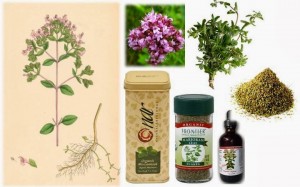
Marjoram (Origanum majorana) is a fragrant perennial herb from the mint family (Lamiaceae), prized for its aromatic leaves and long history in both culinary and traditional medicine. It is important to distinguish it from its close relative, Oregano (Origanum vulgare), as they have different flavor profiles and distinct therapeutic properties. While both are sometimes colloquially grouped, marjoram possesses a sweeter, more delicate pine and citrus flavor. Traditionally, it has been used to support digestive health, calm the nervous system, and alleviate muscular discomfort.
This herb can be utilized in several forms, including fresh or dried leaves for infusions and culinary purposes, as a concentrated essential oil for aromatherapy, or as a powder. Beyond its use in flavoring soups, sauces, and salads, marjoram’s bioactive compounds are also incorporated into various cosmetic products like skin creams and soaps for their aromatic and potential skin-soothing properties.

Key Bioactive Compounds
Marjoram’s therapeutic potential is attributed to its rich composition of volatile oils and phenolic compounds. The primary constituents include terpenes such as terpinene-4-ol, sabinene, and linalool, which contribute to its antimicrobial and calming effects. Furthermore, it contains flavonoids and phenolic acids, such as rosmarinic acid, which are powerful antioxidants that help protect the body’s cells from oxidative stress. While marjoram provides small amounts of essential nutrients like Vitamin A, calcium, and iron, its main health contributions come from these potent phytochemicals.
Potential Health Benefits of Marjoram
Modern research has begun to investigate the traditional uses of marjoram, providing preliminary support for several of its reputed benefits. However, it should be used as a complementary therapy and not as a replacement for conventional medical treatment.
Digestive System Support
Marjoram tea is traditionally consumed to support digestive function. Its carminative properties may help reduce bloating and flatulence by relaxing the intestinal muscles. Consequently, a warm infusion after meals can contribute to soothing the stomach and promoting digestive comfort. Some evidence also suggests its mild antimicrobial properties may help maintain a healthy balance of gut flora.
Cardiovascular Health Support
The antioxidants and flavonoids in marjoram may offer supportive benefits for cardiovascular health. For instance, these compounds help protect blood vessels from oxidative damage. Some preliminary studies suggest that marjoram may have a mild vasodilatory effect, potentially helping to improve blood circulation and maintain healthy blood pressure levels. Nevertheless, it is not a treatment for hypertension or heart disease.
Nervous System and Mood Support
Traditionally, marjoram is valued for its calming effects on the nervous system. Its aromatic compounds, particularly when used in aromatherapy, may help reduce feelings of stress and anxiety. Drinking marjoram tea can have a soothing effect, making it a useful beverage for relaxation. While it is sometimes used for tension headaches, it is not a validated treatment for migraines.
Anti-inflammatory and Analgesic Properties
Marjoram contains compounds that exhibit anti-inflammatory activity. Internally, an infusion may help soothe minor inflammation associated with muscle aches or sinus congestion. Topically, marjoram essential oil, properly diluted in a carrier oil, can be applied to sore muscles and joints to provide localized relief from discomfort and stiffness.
Administration Protocol and Safety Limits
To ensure both safety and efficacy, it is crucial to adhere to a structured administration protocol when using marjoram therapeutically.
| Parameter | Guideline |
|---|---|
| Form of Administration | Herbal Infusion (Tea) |
| Dose per Administration | 1-2 teaspoons (2-4 grams) of dried marjoram per 8 oz (240 ml) of boiling water. Steep for 10-15 minutes. |
| Maximum Daily Dose | Up to 3 cups per day for a healthy adult. |
| Treatment Duration | Up to 14 consecutive days. |
| Mandatory Break | A minimum of 7 days is required between treatment cycles to prevent potential side effects. |
| Timing of Consumption | For digestive support, consume after meals. For calming effects, consume in the evening. |
Overdose Risk: Exceeding the recommended daily dose over a prolonged period is not advised. While marjoram is generally safe, excessive intake could potentially lead to gastrointestinal upset or drowsiness.
Specific Biological Limitation
Anti-platelet Activity: Marjoram contains compounds that may slow blood clotting. This effect is due to its ability to inhibit platelet aggregation. While this can be neutral or even beneficial for some individuals, it poses a significant risk for people with bleeding disorders or those scheduled for surgery.
Technical Warning: The anti-platelet effect can potentiate the action of anticoagulant and antiplatelet medications, substantially increasing the risk of bruising and uncontrolled bleeding. Therefore, its therapeutic use must be discontinued at least two weeks before any surgical procedure.
Contraindications and Precautions
Despite its benefits, marjoram is not suitable for everyone. Certain populations and individuals with specific health conditions should avoid its therapeutic use.
- Absolute Contraindications: Individuals with known allergies to plants in the Lamiaceae family (such as basil, lavender, mint, oregano, and sage) should avoid marjoram. It is also contraindicated for those with bleeding disorders.
- Pregnancy: Marjoram is contraindicated during pregnancy. It has traditionally been used as an emmenagogue, meaning it may stimulate menstrual flow and uterine contractions, potentially increasing the risk of miscarriage.
- Breastfeeding: There is insufficient reliable data on the safety of marjoram during breastfeeding. Therefore, it is best to avoid its use.
- Children: The therapeutic use of marjoram is not recommended for children under the age of 12 due to a lack of safety data.
- Surgery: Discontinue all therapeutic use of marjoram at least two weeks before scheduled surgery to minimize the risk of excessive bleeding.
Major Drug Interactions
- Anticoagulant/Antiplatelet Drugs: Marjoram may increase the effects of medications like warfarin, clopidogrel, and aspirin, heightening the risk of bleeding.
- Diabetes Medications: Marjoram might lower blood sugar levels. Combining it with diabetes drugs could cause hypoglycemia (blood sugar dropping too low). Monitor blood sugar closely if used concurrently.
- Lithium: Marjoram may have a diuretic effect, potentially affecting how the body eliminates lithium. This could lead to increased lithium levels and serious side effects.
Therapeutic Alternatives
If marjoram is not a suitable option, other botanicals with established safety profiles may be considered for similar benefits.
- For Digestive Support: Peppermint (Mentha piperita) and Ginger (Zingiber officinale) are well-studied carminatives that effectively relieve bloating, gas, and indigestion.
- For Stress and Anxiety: Chamomile (Matricaria recutita) and Lemon Balm (Melissa officinalis) are excellent nervine herbs known for their gentle, calming effects and are widely used to promote relaxation and improve sleep quality.
Note: Always consult a healthcare professional before starting any new herbal supplement, as each alternative has its own set of contraindications and potential interactions.
Recent Medical Research (2020-2026)
Recent scientific inquiry continues to explore the therapeutic potential of Origanum majorana, with a focus on its hormonal and metabolic effects.
- A 2022 review highlighted the potential of marjoram in managing symptoms of Polycystic Ovary Syndrome (PCOS) by helping to restore hormonal balance and improve insulin sensitivity. However, these findings are preliminary and require more robust clinical trials.
- Research published in 2021 confirmed the potent antioxidant and antimicrobial properties of marjoram essential oil, underscoring its potential for use in food preservation and as a topical antiseptic agent.
Current Limitations: While promising, much of the research on marjoram is based on in-vitro or animal studies. Large-scale human clinical trials are needed to confirm its efficacy and establish standardized, safe dosages for specific medical conditions.
Specialist’s Summary
Marjoram (Origanum majorana) is a useful herb for supporting digestive comfort and promoting relaxation, with mild effects typically observed with consistent use. It is strictly contraindicated during pregnancy and for individuals on blood-thinning medications due to its potential to stimulate the uterus and inhibit blood clotting. Validated botanical alternatives for its primary uses include chamomile for calming effects and peppermint for digestive support.
Frequently Asked Questions
Is marjoram the same as oregano?
No. Although they are related, marjoram (Origanum majorana) and oregano (Origanum vulgare) are distinct species. Marjoram has a sweeter, milder flavor, while oregano is more pungent and spicy. Their chemical compositions and therapeutic profiles also differ.
Can I drink marjoram tea every day?
Continuous daily consumption is not recommended. It is best to use marjoram tea in cycles, for example, for up to two weeks, followed by at least a one-week break. This helps prevent potential side effects and maintains the body’s responsiveness to the herb.
What is marjoram essential oil used for?
Marjoram essential oil should never be ingested. It is primarily used in aromatherapy for its calming and stress-relieving properties. When diluted with a carrier oil (like jojoba or almond oil), it can be massaged into sore muscles and joints to help alleviate pain and tension.
Sources and References
Recent Studies (2020-2026):
- Bina, F., & Rahimi, R. (2022). Sweet Marjoram: A Review of its Ethnobotany, Phytochemistry, and Pharmacological Activities. Journal of Ethnopharmacology.
- Worthen, D. R., & Ghosheh, O. A. (2021). The Phytochemical Profile and Pharmacological Activity of Origanum majorana. Molecules.
Official Monographs:
- European Medicines Agency (EMA). Community herbal monograph on Origanum majorana L., herba. (Consult EMA database for latest updates).