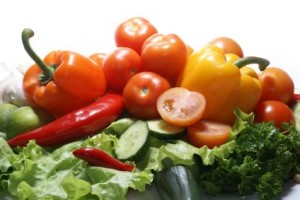
While carbohydrates are a vital energy source for the body, the type and quantity consumed are crucial for maintaining metabolic health. A diet high in refined carbohydrates may contribute to weight gain and other health issues. Consequently, many people adopt a low-carbohydrate eating plan. This approach emphasizes the consumption of non-starchy vegetables, which provide essential vitamins, minerals, and fiber without significantly impacting blood sugar levels. This guide offers a professional overview of the best low-carbohydrate vegetables to incorporate into a balanced diet.

Key Low-Carbohydrate Vegetables and Their Benefits
Integrating a variety of vegetables ensures a broad spectrum of nutrients. The following options are particularly notable for their low carbohydrate content and significant health benefits. For context, “net carbs” are calculated by subtracting fiber from total carbohydrates, representing the carbs that the body can fully digest into glucose.
| Vegetable | Approx. Net Carbs (per 100g) | Key Nutrients & Compounds |
|---|---|---|
| Spinach | 1.4 g | Vitamin K, Vitamin A, Iron, Folate, Lutein |
| Asparagus | 1.8 g | Folate, Vitamin K, Vitamin A, Prebiotic Fiber |
| Cucumber | 3.1 g | High Water Content, Vitamin K, Potassium |
| Broccoli | 4.0 g | Vitamin C, Vitamin K, Sulforaphane, Fiber |
| Cauliflower | 3.0 g | Vitamin C, Vitamin K, Choline, Glucosinolates |
| Cabbage | 3.0 g | Vitamin K, Vitamin C, Glutamine, Fiber |
| Tomatoes | 2.7 g | Lycopene, Vitamin C, Potassium, Vitamin A |
Detailed Vegetable Profiles
Spinach: This leafy green is exceptionally low in calories and carbohydrates. Furthermore, it is a powerhouse of nutrients, including iron, folate, and beta-carotene. For optimal benefits, choose fresh or frozen spinach over canned varieties, which often contain added sodium. Spinach is versatile and can be added to salads, omelets, and smoothies.
Broccoli: A member of the cruciferous family, broccoli offers substantial amounts of vitamins C and K, along with fiber and iron. Its key compound, sulforaphane, has been studied for its antioxidant properties. For best results, select broccoli with dark green, compact heads and consume it shortly after purchase.
Cauliflower: This versatile vegetable is not only low in carbohydrates but also an excellent source of vitamin C and choline. A single serving can provide a significant portion of your daily vitamin C requirement. Cauliflower can be eaten raw, steamed, or roasted, and it serves as a popular low-carb substitute for rice and potatoes.
Cabbage: Cabbage is a cost-effective vegetable that is low in calories and carbs. It contains antioxidants, fiber, and vitamins C and K. When purchasing, look for firm heads with shiny leaves. Refrigeration helps maintain its freshness for an extended period.
Tomatoes: While botanically a fruit, tomatoes are used culinarily as a vegetable. They are low in calories and carbs and are an excellent source of the antioxidant lycopene, which is more bioavailable when cooked. Tomatoes also provide fiber, potassium, and vitamins A and C.
General Safety and Consumption Guidelines
While these vegetables are generally safe and healthy, a balanced approach is essential for maximizing benefits and minimizing potential risks.
Dietary Variety and Portion Control
Relying on a single type of vegetable can lead to nutritional imbalances. Therefore, it is crucial to consume a wide variety of low-carb vegetables to ensure a comprehensive intake of different vitamins, minerals, and phytonutrients. Portion sizes should be guided by your overall dietary plan and caloric needs.
Preparation Methods
The method of preparation can affect nutrient content. Steaming, roasting, and stir-frying are generally preferred over boiling, as boiling can cause water-soluble vitamins like vitamin C to leach into the water. Consuming some vegetables raw, such as in salads, is also an excellent way to preserve their full nutritional profile.
Potential Precautions and Interactions
Certain health conditions and medications require special consideration when consuming specific vegetables.
Vitamin K and Anticoagulants
Mechanism: Leafy greens like spinach, kale, and broccoli are rich in Vitamin K, which plays a crucial role in blood clotting. Anticoagulant medications such as warfarin work by inhibiting Vitamin K’s action.
Precaution: Individuals taking warfarin should maintain a consistent intake of Vitamin K-rich vegetables rather than making sudden, drastic changes. This consistency allows for stable medication dosing. Always consult your healthcare provider before making significant dietary adjustments.
Cruciferous Vegetables and Thyroid Function
Mechanism: Cruciferous vegetables (broccoli, cauliflower, cabbage) contain compounds called goitrogens, which can interfere with iodine uptake by the thyroid gland in very high amounts.
Precaution: This is primarily a concern for individuals with pre-existing thyroid conditions, particularly those with an iodine deficiency. For most people, the health benefits far outweigh the risks. Moreover, cooking these vegetables significantly reduces their goitrogenic potential.
Oxalates and Kidney Health
Mechanism: Spinach and some other greens are high in oxalates. In susceptible individuals, high oxalate intake can contribute to the formation of calcium oxalate kidney stones.
Precaution: People with a history of kidney stones may be advised to moderate their intake of high-oxalate foods. Staying well-hydrated and pairing these foods with calcium sources can help mitigate the risk.
Recent Medical Research (2020-2026)
Recent studies continue to underscore the importance of non-starchy vegetables in health and disease management.
- A 2023 meta-analysis in The BMJ reinforced the link between higher fruit and vegetable intake and a lower risk of type 2 diabetes. The study highlighted that leafy green vegetables showed a particularly strong association with risk reduction.
- Research published in the journal Nutrients continues to explore the positive impact of fiber and phytonutrients from vegetables on the gut microbiome. A diverse intake of vegetables promotes a healthy gut environment, which is linked to improved immunity and overall metabolic function.
Current Limitations: While the benefits are clear, research is ongoing to determine the optimal quantities and specific combinations of vegetables for various health conditions. Individual genetic and metabolic differences also play a significant role in how one responds to dietary interventions.
Specialist’s Summary
Non-starchy vegetables are foundational to a healthy, low-carbohydrate diet, offering essential nutrients with minimal impact on blood glucose. They support metabolic health, provide antioxidants, and contribute to gut wellness. However, individuals with specific health conditions, such as those on anticoagulant therapy or with a history of kidney stones, should consume certain vegetables with awareness and medical guidance. A varied intake, prepared using nutrient-preserving methods, is the most effective strategy.
Frequently Asked Questions
Are all vegetables suitable for a low-carb diet?
No. Starchy vegetables like potatoes, corn, peas, and sweet potatoes are significantly higher in carbohydrates and should be consumed in moderation on a low-carb diet. The focus should be on non-starchy, above-ground vegetables.
What is the difference between total carbs and net carbs?
Total carbohydrates include all types of carbs: starches, sugars, and fiber. Net carbs are calculated by subtracting the grams of fiber from the total carbs. Since fiber is not digested and does not raise blood sugar, net carbs provide a more accurate measure of the food’s impact on glucose levels.
Can I eat unlimited amounts of low-carb vegetables?
While they are low in calories and carbs, it is still important to practice portion control as part of a balanced diet. Overconsumption could lead to digestive discomfort in some individuals and contribute to an excessive caloric intake, even from healthy sources.
Sources and References
Official Data:
- U.S. Department of Agriculture, FoodData Central for nutritional information.
Recent Studies (2020-2026):
- Guo, X. et al. (2023). Fruit and vegetable consumption and type 2 diabetes: a systematic review and meta-analysis of prospective cohort studies. The BMJ.
- Tomova, A. et al. (2019). The Effects of Vegetarian and Vegan Diets on Gut Microbiota. Frontiers in Nutrition. (Relevant foundational research for ongoing studies).