Breakfast is widely recognized as a foundational meal that sets the metabolic tone for the day. A well-balanced morning meal can help stabilize blood sugar, provide sustained energy, and support cognitive function. However, many modern breakfast habits rely on processed foods high in refined sugars and low in essential nutrients. By exploring traditional breakfasts from around the world, we can discover nutrient-dense, whole-food approaches that have supported health for generations.
This article provides a phytotherapeutic and nutritional analysis of seven traditional breakfasts, highlighting the evidence-based benefits of their key ingredients. Furthermore, it offers practical insights into how these meals contribute to overall well-being.

1. Vietnamese Breakfast: Pho
Pho is a traditional Vietnamese soup featuring a rich bone broth, rice noodles, meat, and an abundance of fresh herbs. While often enjoyed throughout the day, it serves as a nourishing and hydrating breakfast.
Phytotherapeutic and Nutritional Insights
- Bone Broth: The slow-simmered broth is a source of collagen, glycine, and proline. These amino acids are crucial for maintaining the integrity of the gut lining and supporting joint health. Indeed, clinical observations suggest that regular consumption of collagen-rich broths may help soothe digestive inflammation.
- Fresh Herbs: Pho is garnished with herbs like cilantro (*Coriandrum sativum*) and mint (*Mentha spicata*). Traditionally, these herbs are used as carminatives to aid digestion. Moreover, research indicates they are rich in antioxidants that help combat cellular stress. A 2022 study in the journal Molecules highlighted the potent antioxidant and anti-inflammatory potential of compounds found in cilantro.
Safety Note: To maximize health benefits, opt for a low-sodium version of pho, as commercially prepared broths can be excessively high in salt.
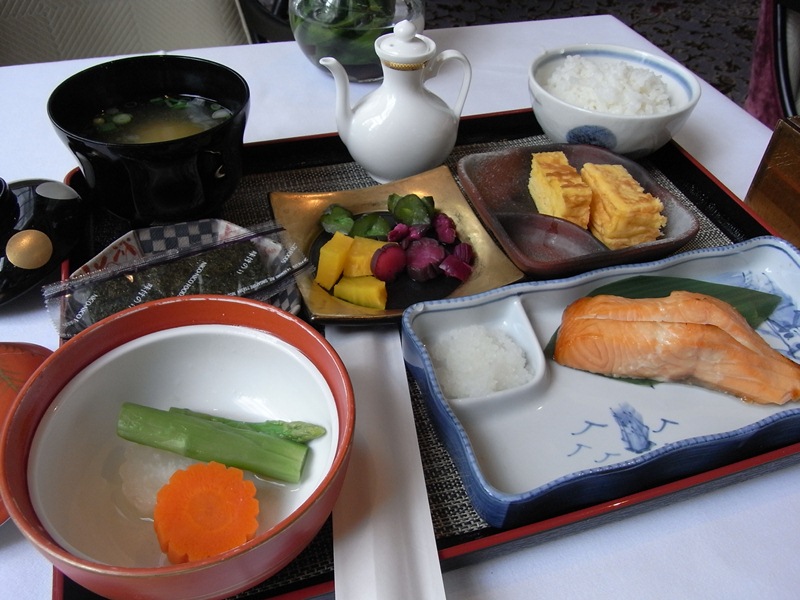
2. Japanese Breakfast: Ichiju Sansai Concept
A traditional Japanese breakfast often follows the “ichiju sansai” (one soup, three sides) principle. This typically includes steamed rice, miso soup, a protein source like grilled fish, and side dishes such as pickled vegetables (*tsukemono*) and fermented soybeans (*natto*).
Phytotherapeutic and Nutritional Insights
- Fermented Foods (Natto & Miso): Natto, made from fermented soybeans, is an exceptional source of Vitamin K2 (menaquinone-7), which plays a vital role in directing calcium to the bones and away from arteries. According to a 2020 meta-analysis published in the Journal of the American Heart Association, higher intake of Vitamin K2 is associated with a reduced risk of coronary heart disease. Additionally, both natto and miso provide beneficial probiotics that support a healthy gut microbiome.
- Seaweed (Nori/Wakame): Often found in miso soup or as a side, seaweed is a concentrated source of iodine, a mineral essential for thyroid hormone production. It also provides other trace minerals like selenium and zinc.
Safety Note: Individuals with thyroid conditions should monitor their iodine intake and consult a healthcare provider, as excessive consumption can interfere with thyroid function.
3. Israeli Breakfast: Shakshouka
Shakshouka is a popular dish in Israel and across the Middle East, consisting of eggs poached in a flavorful sauce of tomatoes, bell peppers, onions, and spices. It is often served with a side of fresh salad.
Phytotherapeutic and Nutritional Insights
- Tomatoes (*Solanum lycopersicum*): The cooked tomato sauce is a rich source of lycopene, a powerful carotenoid antioxidant. Importantly, the bioavailability of lycopene increases when tomatoes are cooked with a source of fat, such as the olive oil used in preparing the sauce. Research published in Antioxidants (2021) confirms that lycopene helps protect cells from oxidative damage and supports cardiovascular health.
- Bell Peppers (*Capsicum annuum*): These vegetables are an excellent source of Vitamin C, another crucial antioxidant that supports immune function and collagen synthesis.
4. Egyptian Breakfast: Ful Medames
Ful Medames is an ancient dish and a staple of Egyptian cuisine. It is made from fava beans (*Vicia faba*) that are slow-cooked and then seasoned with olive oil, cumin, parsley, garlic, and lemon juice.
Phytotherapeutic and Nutritional Insights
- Fava Beans (*Vicia faba*): These legumes are packed with plant-based protein, dietary fiber, and essential minerals. Notably, they are a natural source of Levodopa (L-DOPA), a precursor to the neurotransmitter dopamine. For this reason, they have been studied for their potential supportive role in managing Parkinson’s disease symptoms, though they are not a substitute for medication.
- Cumin (*Cuminum cyminum*): Traditionally used in herbal medicine to relieve digestive discomfort, cumin has carminative properties that help reduce gas and bloating. Modern research suggests its active compounds may also stimulate digestive enzymes.
⚠️ Important Safety Warning: Favism (G6PD Deficiency)
Fava beans are strictly contraindicated for individuals with Glucose-6-Phosphate Dehydrogenase (G6PD) deficiency, a genetic disorder. In these individuals, consuming fava beans can trigger favism, a severe hemolytic reaction that causes rapid destruction of red blood cells and can be life-threatening. Therefore, anyone with a known or suspected G6PD deficiency must avoid fava beans entirely.
5. Costa Rican Breakfast: Gallo Pinto
Gallo Pinto, meaning “spotted rooster,” is the national dish of Costa Rica. This breakfast consists of a mixture of black beans and rice, seasoned with onions, peppers, and cilantro. It is commonly served with eggs and a side of tropical fruit like papaya.
Phytotherapeutic and Nutritional Insights
- Black Beans (*Phaseolus vulgaris*): The combination of beans and rice creates a complete protein, providing all essential amino acids. Furthermore, black beans are exceptionally high in soluble fiber, which helps regulate blood sugar levels and promotes satiety. Their dark color comes from anthocyanins, flavonoids with potent antioxidant properties that support vascular health.
- Papaya (*Carica papaya*): This tropical fruit contains papain, a proteolytic enzyme that aids in the digestion of proteins. Traditionally, papaya has been used to soothe indigestion and bloating.
6. Russian Breakfast: Kasha (Buckwheat)
Kasha is a broad term for porridge in Russia, but it most famously refers to cooked buckwheat groats (*Fagopyrum esculentum*). This hearty dish is often cooked with milk or water and can be served savory with butter or sweet with dried fruits.
Phytotherapeutic and Nutritional Insights
- Buckwheat (*Fagopyrum esculentum*): Despite its name, buckwheat is not a type of wheat but a gluten-free pseudocereal. It has a lower glycemic index than many other grains, making it an excellent choice for blood sugar management. Moreover, buckwheat is one of the best dietary sources of rutin, a bioflavonoid known to strengthen capillaries and support cardiovascular health, as confirmed by numerous pharmacological studies.
7. Turkish Breakfast: Kahvaltı
A traditional Turkish breakfast, or “kahvaltı,” is a lavish spread featuring a variety of small dishes. Key components include fresh cheeses, olives, tomatoes, cucumbers, honey, and eggs, often accompanied by savory pastries and Turkish tea.
Phytotherapeutic and Nutritional Insights
- Olives (*Olea europaea*): Olives and their oil are central to the Mediterranean diet. They are rich in oleic acid, a monounsaturated fat that supports heart health. They also contain polyphenols like oleuropein and hydroxytyrosol, which have demonstrated significant anti-inflammatory and antioxidant effects in clinical research.
- Parsley (*Petroselinum crispum*): More than just a garnish, parsley is a nutrient-dense herb. It is an excellent source of Vitamin K, essential for blood clotting and bone health. It also contains apigenin, a flavonoid that has been investigated for its potential calming and anti-inflammatory properties.
Specialist’s Summary
Exploring traditional global breakfasts reveals a consistent theme: a reliance on whole, unprocessed foods rich in fiber, protein, and phytonutrients. From the gut-supporting broths of Vietnam to the heart-healthy fats of Turkey, these meals offer a blueprint for a nutritious start to the day. Incorporating these principles—prioritizing plants, fermented foods, and quality proteins—can significantly enhance metabolic health and overall vitality. However, it is crucial to be aware of specific contraindications, such as favism with fava beans, and to adapt these meals to individual health needs.
Frequently Asked Questions
1. What is the most important component of a healthy breakfast?
A combination of protein and fiber is most critical. Protein promotes satiety and helps maintain muscle mass, while fiber slows digestion, preventing blood sugar spikes and feeding beneficial gut bacteria. Most of the breakfasts listed excel in providing both.
2. Are these traditional breakfasts healthier than a typical Western breakfast?
Generally, yes. A typical Western breakfast of sugary cereals, pastries, or white toast is high in refined carbohydrates and added sugars, leading to energy crashes. In contrast, these traditional meals are based on whole foods, offering sustained energy, more micronutrients, and beneficial plant compounds.
3. Can I adapt these breakfasts for dietary restrictions?
Absolutely. For instance, Gallo Pinto can be made with quinoa instead of rice for a higher-protein option. Shakshouka can be made with chickpeas instead of eggs for a vegan version. The key is to maintain the principle of using whole, nutrient-dense ingredients.
4. Is it safe to eat these foods every day?
Variety is key to a healthy diet. While these breakfasts are nutritious, it is best to rotate them to ensure a wide spectrum of nutrients. For example, individuals with thyroid issues should not consume seaweed daily without medical guidance. Always listen to your body and consult a healthcare provider for personalized dietary advice.
Sources and References
Recent Studies (2020-2026):
- Khan, M., et al. (2022). Phytochemical Profile and Pharmacological Potential of *Coriandrum sativum* L. Molecules. https://www.mdpi.com/1420-3049/27/4/1257
- Jie, M., et al. (2020). Vitamin K Intake and Risk of Cardiovascular Disease: A Meta-Analysis. Journal of the American Heart Association. https://www.ahajournals.org/doi/10.1161/JAHA.120.017532
- Imran, M., et al. (2021). Lycopene as a Natural Antioxidant Used to Prevent Human Health Disorders. Antioxidants. https://www.mdpi.com/2076-3921/10/5/691
⚠️ Important Medical Information
This article is for educational and informational purposes only and is not intended as medical advice, diagnosis, or treatment. The information provided about these traditional foods is based on nutritional science and available research, which may be limited.
Before making significant changes to your diet:
- Consult a qualified healthcare provider or registered dietitian, especially if you are pregnant, breastfeeding, taking medications, or have existing health conditions like G6PD deficiency or thyroid disorders.
- Do not use this information as a substitute for professional medical or dietary advice.
- Individual results may vary – dietary needs are unique to each person.
- Monitor for adverse reactions or food sensitivities and discontinue any food that causes negative symptoms.