The Nutritional and Therapeutic Profile of Tomatoes (Solanum lycopersicum)

by Andreea Smiterson
0 comments
A+A-
Reset

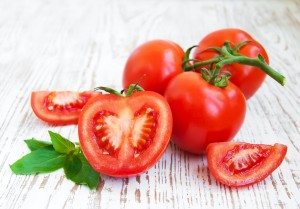
Tomatoes (*Solanum lycopersicum*), though botanically classified as fruits, are widely utilized as vegetables in culinary applications. They are exceptionally rich in essential nutrients and phytochemicals that contribute to various health benefits, making them a valuable component of a balanced diet. Notably, tomatoes are an excellent source of vitamins A, C, and K, as well as potassium, folate, and copper. Furthermore, they are low in calories, sodium, and saturated fats. Their most significant health-promoting compound is lycopene, a powerful antioxidant responsible for their characteristic red color. This article will explore the evidence-based health benefits of incorporating tomatoes into your diet, along with crucial safety protocols.

Health Benefits of Tomatoes

Key Health-Supporting Properties of Tomatoes

Supports Cardiovascular Health

Tomatoes contribute significantly to cardiovascular wellness, primarily due to their high potassium and lycopene content. Potassium is an essential mineral that helps counterbalance the effects of sodium in the body, which consequently aids in maintaining healthy blood pressure levels. In addition, the antioxidant lycopene, along with vitamins A and C and dietary fiber, works to protect the cardiovascular system. Specifically, lycopene may help reduce LDL (“bad”) cholesterol oxidation, a key step in the development of atherosclerosis. Therefore, regular consumption of tomatoes or tomato products can be a supportive strategy for heart health.

Contributes to Ocular Health

The high concentration of vitamin A and other carotenoids like lutein and zeaxanthin makes tomatoes beneficial for eye health. Vitamin A is crucial for maintaining good vision, particularly in low-light conditions, and helps prevent night blindness. Moreover, lutein and zeaxanthin are antioxidants that accumulate in the retina. They play a protective role by filtering harmful high-energy blue light, thereby reducing the risk of age-related macular degeneration and cataracts, two leading causes of vision loss in older adults.

May Reduce the Risk of Certain Cancers

Lycopene has been the subject of extensive research regarding its potential role in cancer risk reduction. As a potent antioxidant, it helps neutralize free radicals that can damage DNA and lead to cancerous cell growth. Numerous epidemiological studies have suggested a correlation between a diet rich in tomatoes and a lower risk of specific cancers, most notably prostate cancer. Additionally, some research indicates potential protective effects against lung, stomach, and colorectal cancers. It is important to note that cooking tomatoes, especially with a source of fat like olive oil, significantly enhances the bioavailability of lycopene.

Promotes Skin Integrity

The antioxidants found in tomatoes, particularly lycopene and vitamin C, play a vital role in maintaining skin health. Vitamin C is essential for collagen synthesis, a protein that provides structure and elasticity to the skin. Lycopene, on the other hand, helps protect the skin from photodamage caused by ultraviolet (UV) radiation. While tomato consumption is not a substitute for sunscreen, a diet rich in these carotenoids may offer an additional layer of internal protection against UV-induced erythema (sunburn) and long-term skin aging.

Administration Protocol and Safety Limits

As a food, tomatoes do not have a strict therapeutic protocol like herbal extracts. However, for optimal health benefits and safety, certain guidelines should be followed.

Dietary Inclusion and Serving Recommendations

  • Recommended Intake: Incorporating approximately one medium tomato (or 7 cherry tomatoes, or 1 cup of tomato juice) into your daily diet is a reasonable goal for most healthy adults.
  • Lycopene Absorption: To maximize lycopene absorption, it is best to consume tomatoes cooked and with a small amount of healthy fat, such as olive oil. Heat breaks down the plant’s cell walls, making the lycopene more bioavailable.
  • Overconsumption Risk: While generally safe, excessive consumption of tomatoes or highly acidic tomato products can lead to digestive issues. Exceeding 2-3 cups of tomato products daily may trigger acid reflux or heartburn in susceptible individuals.

Method of Consumption

  • Timing: Tomatoes can be consumed at any time of day. However, individuals with acid reflux may wish to avoid them close to bedtime.
  • Preparation: Both raw and cooked tomatoes offer benefits. Raw tomatoes provide more vitamin C (which is heat-sensitive), while cooked tomatoes provide more bioavailable lycopene.

  • Incompatibilities: There are no major food incompatibilities, but their acidity can be problematic for some individuals when combined with other acidic or spicy foods.

Specific Biological Limitation

Acidity and Oxalate Content

Tomatoes are naturally acidic, which can be a significant issue for individuals with gastroesophageal reflux disease (GERD) or laryngopharyngeal reflux (LPR). The acid can relax the lower esophageal sphincter, allowing stomach acid to flow back into the esophagus and cause symptoms like heartburn and irritation.

Technical Warning: Furthermore, tomatoes contain oxalates, which are natural compounds that can contribute to the formation of kidney stones in susceptible individuals. People with a history of calcium oxalate kidney stones are often advised by their healthcare provider to moderate their intake of high-oxalate foods, including tomatoes.

Contraindications and Precautions

Absolute Contraindications

  • Tomato Allergy: Although rare, a true allergy to tomatoes exists. Symptoms can range from mild oral allergy syndrome (itching of the mouth and throat) to severe anaphylaxis. Individuals with a known allergy must avoid all forms of tomato.

Vulnerable Populations

  • Pregnancy and Breastfeeding: Tomatoes are considered safe and nutritious during pregnancy and breastfeeding as part of a balanced diet.
  • Children: Tomatoes can be introduced to infants’ diets according to standard pediatric guidelines, typically around 6-8 months of age. Monitor for any signs of intolerance or allergy.
  • Individuals with GERD: Those with acid reflux or frequent heartburn should consume tomatoes cautiously, preferably in small amounts and not on an empty stomach.

Major Drug Interactions

  • Beta-blockers and ACE inhibitors: These medications can increase potassium levels in the blood. Since tomatoes are a good source of potassium, individuals on these drugs should consult their doctor about monitoring their intake to avoid hyperkalemia (excessively high potassium levels).

Documented Adverse Effects

  • Common: Heartburn, acid reflux, and indigestion in sensitive individuals.
  • Rare: Allergic reactions, aggravation of kidney stone formation.

Therapeutic Alternatives

If tomatoes are not suitable due to allergy or acid sensitivity, other foods can provide similar key nutrients.

Nutrient/Benefit Botanical Alternatives
Lycopene Watermelon, pink grapefruit, guava, and papaya are excellent sources of this antioxidant.
Potassium Bananas, sweet potatoes, spinach, avocados, and beans are rich in potassium and support blood pressure regulation.
Vitamin C Bell peppers (especially red), citrus fruits, kiwi, and broccoli are superior sources of vitamin C.

Recent Medical Research (2020-2026)

Recent studies continue to affirm and expand upon the health benefits of tomatoes and their bioactive compounds.

  • A 2021 review in the journal *Nutrients* highlighted the role of tomato consumption in modulating gut microbiota and reducing systemic inflammation, which may contribute to its protective effects against chronic diseases.
  • Research published in the *Journal of the American Heart Association* in 2022 reinforced the link between higher lycopene intake and a lower risk of hypertension, providing further evidence for the cardiovascular benefits of tomatoes.

Current Limitations: While the association between tomato consumption and health benefits is strong, most evidence comes from observational studies. More randomized controlled trials are needed to establish definitive cause-and-effect relationships for specific health outcomes.

Specialist’s Summary

Tomatoes are a nutrient-dense food whose primary benefits for cardiovascular, skin, and ocular health are well-supported by scientific evidence, largely due to their high lycopene and potassium content. They are generally safe for daily consumption but are contraindicated for individuals with a tomato allergy and should be used with caution by those with GERD or a history of oxalate kidney stones. The most effective alternatives for lycopene include watermelon and guava, while spinach and avocados provide comparable potassium levels.

Frequently Asked Questions

Are cooked tomatoes healthier than raw tomatoes?

It depends on the desired nutrient. Cooking tomatoes breaks down their cell walls, which increases the bioavailability of the antioxidant lycopene by up to four times. However, the heat degrades some of the vitamin C. For a balanced approach, include both raw and cooked tomatoes in your diet.

Can eating tomatoes cause joint inflammation or arthritis?

This is a common myth. Tomatoes are part of the nightshade family, which some people anecdotally link to inflammation. However, there is no scientific evidence to support this claim. In fact, the anti-inflammatory compounds in tomatoes, such as lycopene, may actually help reduce inflammation.

How can I maximize the health benefits of tomatoes?

To get the most out of your tomatoes, choose ripe, deeply colored varieties, as they have the highest antioxidant content. Cook them with a source of healthy fat like olive oil to boost lycopene absorption. Incorporating a variety of tomato products, such as sauce, paste, and fresh tomatoes, will provide a broad spectrum of nutrients.

Sources and References

Recent Studies (2020-2026):

  1. Valenzuela, R., et al. (2022). High Consumption of Tomato and Lycopene Is Associated With a Lower Risk of Hypertension. Journal of the American Heart Association.
  2. García-Montero, P., et al. (2021). The Role of Tomato and Its Active Compounds in the Prevention and Treatment of Non-Communicable Chronic Diseases: A Review of the Last 10 Years. Nutrients.

Official Monographs and Databases:


You may also like

Leave a Comment