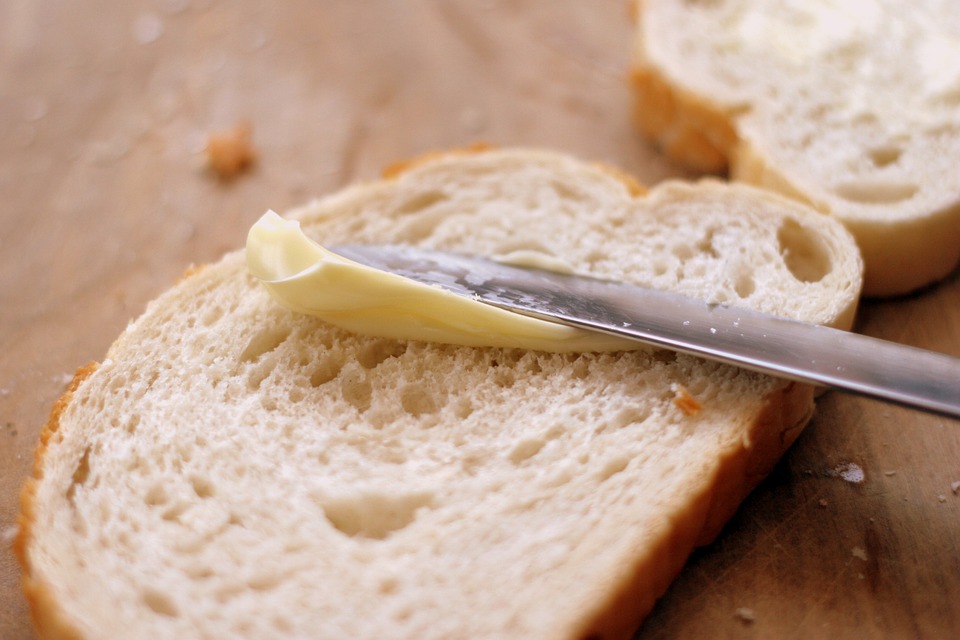
7 Healthy Butter Alternatives: A Guide to Plant-Based Swaps

Choosing healthier fats and adopting a more plant-centric diet are excellent goals for long-term wellness. While butter can be part of a balanced diet in moderation, many people seek alternatives for various reasons, including reducing saturated fat intake, managing dairy allergies or lactose intolerance, or following a vegan lifestyle. Fortunately, a wide range of plant-based options can effectively replace butter in cooking, baking, and as spreads, often adding unique nutritional benefits.

However, it’s important to understand that not all substitutes work for every application. Each alternative has a distinct nutritional profile, flavor, and texture that influences the final result. This guide provides an evidence-based overview of seven effective butter alternatives, outlining their benefits, best uses, and safety considerations to help you make informed choices in the kitchen.

healthy butter alternatives

1. Avocado

Avocado is a nutrient-dense fruit celebrated for its creamy texture and rich content of monounsaturated fats, primarily oleic acid. Furthermore, it is an excellent source of fiber, potassium, and vitamins K, E, and C. Its buttery consistency makes it a superb substitute in various dishes.

  • Mechanism of Action: The high concentration of monounsaturated fats in avocados has been linked to improved cardiovascular health markers. According to research published in the Journal of the American Heart Association, replacing saturated fats with unsaturated fats, like those in avocados, can help lower LDL (bad) cholesterol levels.
  • Best For: Spreading on toast, replacing butter in dense baked goods like brownies and quick breads (use a 1:1 ratio), and creating creamy sauces or dressings.
  • Practical Tip: When using avocado in baking, it may impart a slight green hue to the final product. It works best in recipes with strong flavors like chocolate.

2. Extra Virgin Olive Oil

A cornerstone of the Mediterranean diet, extra virgin olive oil is rich in monounsaturated fats and contains potent antioxidants called polyphenols, such as oleocanthal, which has anti-inflammatory properties. However, its strong flavor and low smoke point make it suitable for specific applications.

  • Mechanism of Action: The cardioprotective effects of olive oil are well-documented. A 2022 meta-analysis in Cardiovascular Research confirmed that regular consumption is associated with a lower risk of cardiovascular disease mortality, largely due to its positive effects on lipid profiles and inflammation.
  • Best For: Sautéing vegetables at low-to-medium heat, creating salad dressings, and drizzling over finished dishes. In baking, it can replace butter in some recipes like cakes and muffins (use a 3:4 ratio, e.g., ¾ cup of oil for 1 cup of butter).
  • Safety Note: Avoid using extra virgin olive oil for high-heat cooking, as it can burn and produce a bitter taste and harmful compounds.

3. Nut Butters

Nut butters, such as almond, cashew, or peanut butter, provide a combination of healthy fats, protein, and fiber. They can replace butter as a spread and in certain baking applications, adding a distinct nutty flavor and density.

  • Nutritional Profile: These butters are rich in monounsaturated and polyunsaturated fats, vitamin E, and magnesium. Consequently, they contribute to satiety and can support heart health when consumed as part of a balanced diet.
  • Best For: Spreading on toast or fruit, adding to smoothies, and in no-bake desserts, cookies, or brownies.
  • Important Consideration: Always choose natural nut butters without added sugar, hydrogenated oils, or excessive salt. Be mindful that they have a strong flavor profile that will influence the taste of your dish.

4. Fruit and Vegetable Purées

Unsweetened applesauce, mashed bananas, and pumpkin purée are excellent low-fat alternatives to butter in baking. They provide moisture, binding, and natural sweetness, which may also allow you to reduce the sugar content in your recipe.

  • Mechanism of Action: These purées replace fat with fiber and water, significantly reducing the calorie and fat content of baked goods. The pectin in applesauce and the starches in banana and pumpkin help create a moist, dense texture.
  • Best For: Dense, moist baked goods like muffins, quick breads, and cakes. You can typically replace up to half the butter with a purée in a 1:1 ratio without significantly affecting the structure.
  • Practical Tip: Using only fruit purée can result in a gummy or overly dense texture. For best results, start by replacing 50% of the butter.

5. Coconut Oil

Coconut oil is solid at room temperature, making it a popular vegan substitute for butter in baking. It consists mainly of saturated fats, specifically medium-chain triglycerides (MCTs), which are metabolized differently than long-chain fatty acids.

  • Scientific Context: The health effects of coconut oil are a subject of ongoing debate. While some studies suggest MCTs may offer metabolic benefits, major health organizations like the American Heart Association recommend limiting saturated fat intake, including from coconut oil, due to its potential to raise LDL cholesterol.
  • Best For: Baking (use a 1:1 ratio for butter), high-heat cooking like stir-frying (refined coconut oil has a higher smoke point), and in no-bake recipes that require a firm texture when chilled.
  • Recommendation: Use unrefined (virgin) coconut oil for a distinct coconut flavor or refined coconut oil for a neutral taste. Due to its high saturated fat content, use it in moderation.

6. Plant-Based Yogurt

Unsweetened plant-based yogurts (such as soy, almond, or coconut) can add moisture and a slight tang to baked goods, similar to dairy yogurt. This is a great option for reducing fat content while maintaining a soft texture.

  • Nutritional Profile: The nutritional content varies by the base ingredient. Soy yogurt, for instance, provides protein, while others may be lower in calories. Many are fortified with calcium and vitamin D.
  • Best For: Muffins, cakes, and quick breads. You can replace half the butter with half the amount of yogurt (e.g., for 1 cup of butter, use ½ cup of butter and ¼ cup of yogurt).
  • Usage Note: Always use plain, unsweetened varieties for baking to avoid adding unwanted sugar and flavor.

7. Tahini (Sesame Seed Paste)

Tahini is a paste made from ground sesame seeds and is a staple in Mediterranean and Middle Eastern cuisine. It has a rich, nutty, and slightly bitter flavor that works surprisingly well in both savory and sweet dishes.

  • Mechanism of Action: Tahini is rich in healthy fats, protein, B vitamins, and antioxidants like sesamin and sesamol. Research published in the International Journal of Food Properties suggests these compounds may have anti-inflammatory and cholesterol-lowering effects.
  • Best For: Creating creamy dressings and sauces, as a base for dips like hummus, and in baked goods like cookies, brownies, and halva. It can replace butter in a 1:1 ratio in many recipes.
  • Flavor Profile: Its robust flavor is a key feature. Therefore, it is best used in recipes where its nutty taste will be a welcome addition.

Nutritional Considerations and Potential Downsides

While these alternatives offer health benefits, it is crucial to use them appropriately. Many, such as oils and nut butters, are calorie-dense and should be consumed in moderation. Additionally, some individuals may have allergies to nuts, soy, or sesame, requiring careful selection of alternatives.

Allergen Warning: Nut butters, soy-based yogurts, and tahini are common allergens. Always check labels and be aware of potential cross-contamination if you are preparing food for someone with allergies.

Saturated Fat Content: Coconut oil is very high in saturated fat. While its MCTs are metabolized differently, current dietary guidelines recommend limiting overall saturated fat intake. Therefore, it should not be viewed as an unlimited “health food.”

Recent Medical Research (2020-2026)

Recent research continues to emphasize the benefits of replacing saturated fats with unsaturated fats for cardiovascular health. A 2020 study in the Journal of the American Heart Association reinforced that higher consumption of plant-based fats from sources like avocados and nuts is associated with a lower risk of stroke.

Furthermore, a 2021 meta-analysis in The BMJ found that higher olive oil intake is linked to a reduced risk of all-cause mortality. This evidence strengthens the recommendation to prioritize unsaturated fat sources over saturated ones like butter and coconut oil.

Specialist’s Summary

Plant-based butter alternatives are excellent for enhancing the nutritional profile of your diet, particularly for improving cardiovascular health by replacing saturated fats. Avocado and olive oil are top choices for their monounsaturated fat content, while fruit purées offer a low-fat option for baking. However, it is essential to consider the specific application, as flavor, texture, and heat stability vary significantly. Always be mindful of calorie density and potential allergens like nuts and sesame.

Frequently Asked Questions

1. What is the healthiest butter substitute for spreading on toast?

Avocado is arguably the healthiest option due to its combination of healthy fats, fiber, vitamins, and minerals. Natural nut butters without added sugar are also an excellent, protein-rich choice.

2. Can I replace butter 1:1 with any of these alternatives in baking?

Not always. While avocado, coconut oil, and tahini can often be substituted in a 1:1 ratio, others require adjustments. For olive oil, use ¾ of the amount. For fruit purées and yogurt, it’s best to start by replacing only half the butter to maintain texture.

3. Which butter alternative is best for high-heat cooking?

Refined coconut oil and certain types of olive oil (not extra virgin) have higher smoke points suitable for high-heat cooking. Avocado oil (not the fruit itself) is another excellent choice for this purpose.

4. Are these alternatives safe for everyone?

Most are safe as part of a balanced diet. However, individuals with nut, sesame, or soy allergies must avoid nut butters, tahini, and soy-based yogurts. Those on calorie-restricted diets should use high-fat options like oils and avocados in moderation.

Sources and References

  1. Wang, D. D., Li, Y., Chiuve, S. E., Stampfer, M. J., Manson, J. E., Rimm, E. B., Willett, W. C., & Hu, F. B. (2020). Association of specific dietary fats with total and cause-specific mortality. JAMA Internal Medicine.
  2. Guasch-Ferré, M., Liu, G., Li, Y., Sampson, L., Manson, J.E., Salas-Salvadó, J., Martínez-González, M.A., Stampfer, M.J., Willett, W.C., Sun, Q., & Hu, F.B. (2022). Olive oil consumption and mortality in the US. Journal of the American College of Cardiology.
  3. Schwab, U., Lauritzen, L., Tholstrup, T., Hald, T., Riserus, U., Uusitupa, M., & Becker, W. (2014). Effect of the amount and type of dietary fat on cardiometabolic risk factors and risk of developing type 2 diabetes, cardiovascular diseases, and cancer: a systematic review. Food & Nutrition Research.

⚠️ Important Medical Information

This article is for educational and informational purposes only and is not intended as medical or nutritional advice, diagnosis, or treatment. The information provided about butter alternatives is based on current nutritional science and available research.

Before making significant dietary changes:

  • Consult a qualified healthcare provider or registered dietitian, especially if you have existing health conditions, food allergies, or specific dietary needs.
  • Do not use this information as a substitute for professional medical or nutritional guidance.
  • Individual results and dietary needs may vary.
  • Monitor for adverse reactions, such as allergic responses, and discontinue use of any food that causes negative symptoms.


If you like it, share it

[mashshare]

Post comment

Your email address will not be published. Required fields are marked *.