How Berries Support Brain Health and Your Cardiovascular System
While all fruits offer significant health benefits, berries stand out due to their exceptional concentration of powerful plant compounds. Specifically, their rich content of polyphenols, particularly anthocyanins, positions them as a cornerstone of a diet aimed at supporting long-term wellness. These compounds are responsible for the vibrant red, blue, and purple colors of fruits like blueberries, raspberries, and blackberries.
Historically, berries have been a vital part of traditional diets worldwide, valued not just for their taste but also for their perceived health-promoting properties. Modern science is now validating many of these traditional uses, uncovering the specific mechanisms by which these fruits exert their positive effects on the human body.
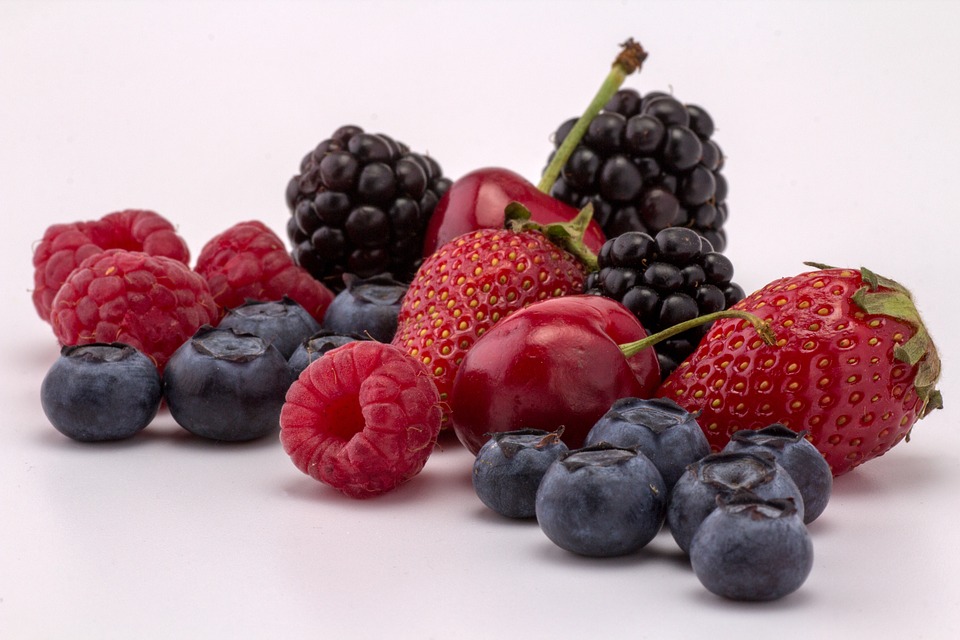
The primary action of these compounds is their antioxidant capacity. In essence, antioxidants help protect the body’s cells from damage caused by unstable molecules known as free radicals. This process, called oxidative stress, is a natural part of metabolism but can be accelerated by environmental factors. Consequently, managing oxidative stress is crucial for maintaining cellular health, protecting DNA integrity, and slowing down aspects of the physiological aging process.
Cardiovascular System Support
Emerging research strongly suggests a direct link between regular berry consumption and improved cardiovascular health. The anthocyanins and other flavonoids found in berries appear to contribute to heart health through several mechanisms.
- Blood Pressure Regulation: According to a meta-analysis published in Clinical Nutrition (2021), regular intake of anthocyanin-rich foods like blueberries was associated with modest but significant improvements in blood pressure. These compounds may help improve the flexibility of blood vessels, a key factor in healthy circulation.
- Cholesterol Profile: Berries do not directly lower cholesterol, but their antioxidants may help prevent the oxidation of LDL (“bad”) cholesterol. Oxidized LDL is a primary contributor to atherosclerosis (the hardening of arteries). Therefore, by reducing oxidation, berries support arterial health.
- Endothelial Function: Furthermore, studies indicate that the polyphenols in berries can enhance the function of the endothelium, the thin membrane lining the inside of the heart and blood vessels, which is critical for cardiovascular regulation.
Cognitive and Brain Health Benefits
The brain is particularly vulnerable to oxidative stress due to its high metabolic rate. The unique ability of many berry flavonoids to cross the blood-brain barrier allows them to exert a direct protective effect on neural tissues.
- Memory and Learning: Clinical observations and studies, such as research published in the Journal of Agricultural and Food Chemistry, have linked blueberry consumption to improved memory and learning processes, particularly in older adults. This is thought to be due to enhanced signaling between brain cells.
- Neuroprotection: In addition, the anti-inflammatory and antioxidant actions of berry compounds may help protect brain cells from damage and reduce neuroinflammation, a factor associated with age-related cognitive decline and neurodegenerative conditions.
- Slowing Cognitive Decline: Long-term observational studies suggest that individuals with higher berry intake experience a slower rate of cognitive decline as they age. For instance, strawberries have been noted for their potential to reduce brain inflammation.
Administration Protocol and Safety Limits
While berries are a whole food, mindful consumption is still recommended for optimal benefits and to avoid potential issues.
| Guideline | Recommendation |
| Recommended Daily Intake | Aim for approximately 1 cup (120-150 grams) of mixed berries per day for a healthy adult. There is no strict maximum dose, but moderation is key. |
| Consumption Method | Fresh or frozen berries offer similar nutritional value. Freezing preserves the delicate polyphenols effectively. They can be consumed whole, in smoothies, or with meals like yogurt or oatmeal. |
| Overconsumption Risk | Exceeding 3-4 cups daily may lead to digestive discomfort, bloating, or diarrhea in sensitive individuals due to the high fiber content. |
Specific Biological Limitation
Oxalate Content: Berries, particularly raspberries and blackberries, contain oxalates. While this is not an issue for most people, individuals with a history of calcium oxalate kidney stones may be advised by their healthcare provider to limit their intake. Oxalates can bind with calcium in the urine, contributing to stone formation in susceptible individuals. Therefore, if you have a history of kidney stones, it is crucial to discuss your dietary choices, including berry consumption, with a nephrologist or registered dietitian.
Contraindications and Precautions
Although generally safe for most people, there are specific situations where caution is warranted.
- Allergies: Berry allergies, particularly to strawberries, can occur. Symptoms can range from mild oral allergy syndrome (itchy mouth) to severe systemic reactions. Stop consumption immediately if you suspect an allergic reaction.
- Drug Interactions (Warfarin): Some berries, especially cranberries and blueberries, contain Vitamin K and other compounds that may interact with the blood-thinning medication warfarin (Coumadin®). Indeed, high or inconsistent intake could potentially alter the medication’s effectiveness. Patients on warfarin should maintain a consistent daily intake of Vitamin K-containing foods and consult their doctor before making significant dietary changes.
- Fructose Malabsorption: Berries contain fructose. Individuals with fructose malabsorption or Irritable Bowel Syndrome (IBS) may experience gastrointestinal symptoms like gas, bloating, or diarrhea after consumption.
Therapeutic Alternatives
If berries are not suitable for you, or if you wish to complement their effects, other botanicals and foods offer similar benefits:
- For Cardiovascular Support: Hawthorn (Crataegus spp.) is a well-researched botanical traditionally used to support heart function, blood pressure, and circulation. Its official monographs from the European Medicines Agency (EMA) confirm its use for mild cardiac symptoms.
- For Cognitive Health: Ginkgo (Ginkgo biloba) is known for its ability to improve blood flow to the brain, which may support memory and cognitive function, particularly in older adults. Its use is supported by numerous clinical studies and a WHO monograph.
- For General Antioxidant Support: Green Tea (Camellia sinensis) is exceptionally rich in catechins, another class of powerful polyphenols. It provides broad-spectrum antioxidant and anti-inflammatory benefits.
Note: Each alternative has its own specific contraindications and should be discussed with a healthcare provider before use.
Recent Medical Research (2020-2026)
Modern science continues to explore the extensive benefits of berries. Recent studies have provided deeper insights into their mechanisms of action.
- A 2023 review in Nutrients highlighted the role of berry polyphenols in modulating the gut microbiota. This research suggests that berries promote the growth of beneficial gut bacteria, which in turn contributes to reduced inflammation and improved metabolic health, linking gut health directly to cardiovascular and cognitive outcomes.
- Research published in the American Journal of Clinical Nutrition (2022) found that daily consumption of wild blueberries for 12 weeks improved vascular function and cognitive performance in healthy older adults, further solidifying the connection between these fruits and healthy aging.
Current Limitations: While evidence is strong, most studies are either observational or use specific berry extracts. More large-scale, long-term human clinical trials are needed to establish definitive dosage recommendations for preventing specific diseases.
Specialist’s Summary
Berries are a nutritionally dense food group highly beneficial for cardiovascular and cognitive health due to their rich polyphenol content. Regular dietary inclusion may offer moderate protective effects that appear with consistent, long-term consumption. However, they are contraindicated for individuals with specific allergies and require caution for those on warfarin or with a history of kidney stones. Validated alternatives for targeted support include Hawthorn for the heart and Ginkgo for cognitive function.
Frequently Asked Questions
Are frozen berries as healthy as fresh ones?
Yes. Commercially frozen berries are typically flash-frozen at peak ripeness, which preserves their vitamin and antioxidant content very effectively. In some cases, frozen berries may even be nutritionally superior to fresh ones that have traveled long distances or been stored for extended periods.
Which berry is considered the most powerful for health?
There is no single “best” berry. Different berries have unique profiles of vitamins and antioxidants. For instance, blueberries are renowned for their cognitive benefits (anthocyanins), while cranberries are well-studied for urinary tract health (proanthocyanidins). The best approach is to consume a wide variety of different colored berries to get a broad spectrum of benefits.
Can eating berries interfere with my medication?
Potentially, yes. The most significant documented interaction is with the blood thinner warfarin. If you are taking any prescription medications, especially for cardiovascular conditions or diabetes, it is always best to consult your healthcare provider or pharmacist before making significant changes to your diet, including a large increase in berry consumption.
Sources and References
- Yang, L., et al. (2021). Effect of anthocyanin-rich foods on risk factors for cardiovascular disease: a systematic review and meta-analysis of randomized controlled trials. Clinical Nutrition.
- Krikorian, R., et al. (2022). Blueberry supplementation in midlife for dementia risk reduction. Nutrients.
- Haskell-Ramsay, C. F., et al. (2022). The effect of a 12-week wild blueberry intervention on cognitive function and mood in healthy middle-aged individuals. American Journal of Clinical Nutrition.
- European Medicines Agency (EMA). Community herbal monograph on Crataegus spp.
- World Health Organization (WHO). WHO Monographs on Selected Medicinal Plants – Volume 1: Folium Ginkgo.
⚠️ Important Medical Information
This article is for educational and informational purposes only and is not intended as medical advice, diagnosis, or treatment. The information provided about berries is based on traditional use, preliminary research, and available scientific evidence, which may be limited.
Before making significant dietary changes:
- Consult a qualified healthcare provider, especially if you are pregnant, breastfeeding, taking medications, or have existing health conditions like kidney disease or diabetes.
- Do not use as a substitute for prescribed medications or professional medical treatment.
- Individual results may vary – what works for one person may not work for another.
- Monitor for adverse reactions, such as allergies or digestive upset, and discontinue use if negative symptoms occur.
Regulatory status: Berries are foods. When sold as concentrated extracts or supplements, they are typically considered dietary supplements and have not been evaluated by the FDA for treating, curing, or preventing any disease.



