Minimizing Pesticide Exposure: A Guide to Cleaning Fruits and Vegetables

by Andreea Smiterson
0 comments
A+A-
Reset

Consuming a diet rich in fresh fruits and vegetables is fundamental to overall health. However, concerns about pesticide residues on non-organic produce are valid and warrant careful consideration. According to analyses conducted by the Environmental Working Group (EWG), a non-profit advocacy organization, conventionally grown produce can carry a significant number of synthetic pesticide residues, even after being washed.

While the benefits of eating fresh produce far outweigh the risks for most people, understanding how to minimize exposure is a key component of a health-conscious lifestyle. This guide provides evidence-based protocols for selecting and preparing produce to reduce your intake of potentially harmful chemicals.

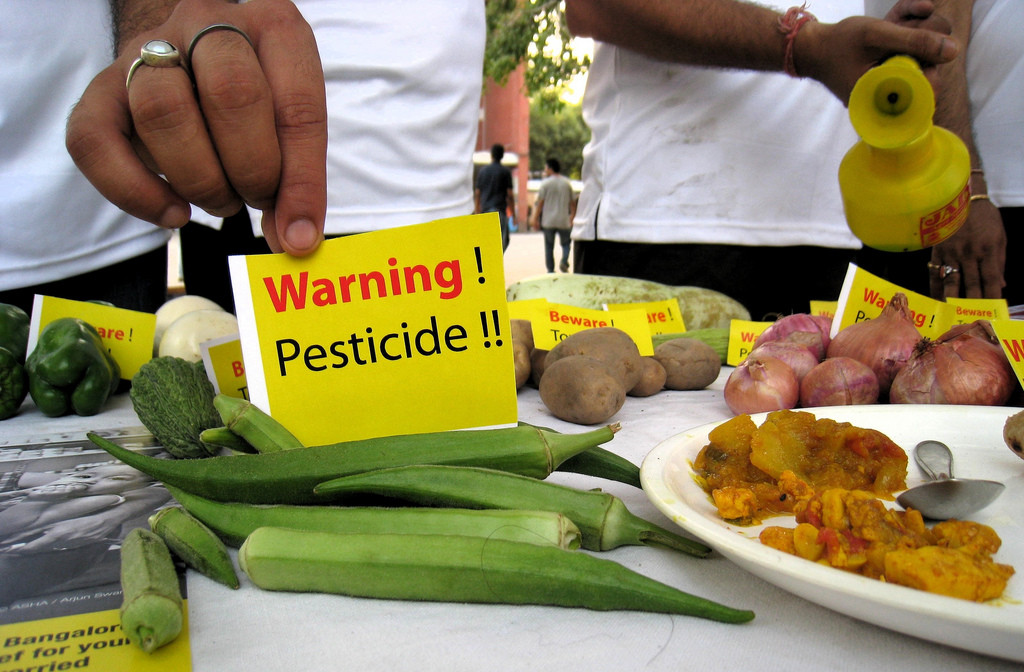
fruits and vegetables with pesticides

Why Pesticide Residues Are a Health Concern

Pesticides are substances designed to control pests, including insects, weeds, and fungi. Unfortunately, residues can remain on and in the food we eat. The U.S. Environmental Protection Agency (EPA) and other international bodies have noted potential health risks associated with long-term, cumulative exposure. For instance, some pesticides are classified as endocrine disruptors, meaning they may interfere with the body’s hormonal systems. Furthermore, research published in journals like Environmental Health Perspectives has explored links between pesticide exposure and developmental issues in children.

Beyond human health, the environmental impact is also significant. Pesticide runoff can affect water quality and soil health, leading to erosion and reduced biodiversity. Notably, certain classes of pesticides have been associated with “colony collapse disorder,” a phenomenon marked by the widespread death of honeybees, which are crucial for pollinating many of our food crops.

The “Dirty Dozen”: Produce with the Highest Pesticide Loads

Each year, the EWG analyzes data from the U.S. Department of Agriculture (USDA) to publish its “Dirty Dozen” list, which identifies the produce with the highest levels of pesticide residues. Consumers may choose to prioritize buying organic versions of these items. The list frequently includes:

  • Strawberries
  • Spinach
  • Kale, Collard & Mustard Greens
  • Peaches
  • Pears
  • Nectarines
  • Apples
  • Grapes
  • Bell & Hot Peppers
  • Cherries
  • Blueberries
  • Green Beans

Safe Produce Handling Protocol: Reducing Your Exposure

While you cannot eliminate all residues, especially from systemic pesticides, you can significantly reduce them with proper handling. Follow these steps for safer consumption.

Step 1: Thorough Washing

Simple washing is the first and most important line of defense. However, the method matters.

  • Technique: Do not just rinse. Instead, rub produce briskly under running water with your hands. For firm items like potatoes or melons, use a clean vegetable brush.
  • Duration: Wash produce for at least 20-30 seconds.
  • Soaking Solution: For an enhanced cleaning effect, research suggests a simple baking soda solution can be more effective than water alone. A study published in the Journal of Agricultural and Food Chemistry found that soaking produce in a solution of one teaspoon of baking soda per two cups of water for 12-15 minutes removed significantly more surface pesticide residues than tap water.

Step 2: Peeling and Trimming

Removing the outer layer can effectively reduce residues on certain types of produce.

  • When to Peel: Peeling is most effective for produce with thick, inedible skins (like bananas or melons) or those that are often waxed (like conventional apples and cucumbers), as wax can trap pesticides.
  • Trimming: For leafy greens like lettuce and cabbage, discard the outer leaves, as they typically contain the highest concentration of residues.
  • Nutrient Consideration: Be aware that peeling can also remove valuable fiber and nutrients concentrated in or just below the skin. Therefore, this method involves a trade-off.

Specific Biological Limitation: Systemic vs. Contact Pesticides

It is crucial to understand that washing and peeling are not completely foolproof. This is due to the nature of modern pesticides.

The Mechanism: Pesticides can be categorized as either contact or systemic.

  • Contact pesticides remain on the surface of the plant. These are the residues that washing, scrubbing, and peeling are most effective at removing.
  • Systemic pesticides are absorbed by the plant and distributed throughout its tissues—into the leaves, stem, roots, and fruit. Consequently, these internal residues cannot be washed or peeled away.

Technical Warning: The presence of systemic pesticides is the primary reason why choosing produce with lower inherent risk (see “Clean Fifteen” below) or opting for certified organic versions of high-risk items is a key strategy for minimizing exposure.

Populations at Higher Risk from Pesticide Exposure

While reducing pesticide intake is wise for everyone, certain groups are physiologically more vulnerable to the potential effects of chemical exposure.

  • Pregnant Women and Fetuses: The developing fetus is highly sensitive. Exposure during critical developmental windows may have long-term consequences.
  • Infants and Children: Children have a higher intake of food and water per pound of body weight compared to adults. Moreover, their detoxification systems are not fully mature, making them less efficient at processing and eliminating foreign chemicals.
  • Individuals with Compromised Liver Function: The liver is the primary organ for detoxifying chemicals. Those with existing liver conditions may have a reduced capacity to handle pesticide loads.

Therapeutic Alternatives: Making Safer Choices at the Store

If you are concerned about the “Dirty Dozen,” several practical strategies can help you make safer choices without abandoning fruits and vegetables.

Strategy Description and Benefits
1. Prioritize the “Clean Fifteen” The EWG also publishes the “Clean Fifteen,” a list of produce least likely to contain pesticide residues. These include items like avocados, sweet corn, pineapple, onions, and cabbage. Focusing your conventional purchases on this list is a cost-effective way to lower exposure.
2. Choose Certified Organic USDA certified organic produce is grown without the use of most synthetic pesticides and fertilizers. While it may not be 100% free of all residues (due to environmental drift), the levels are significantly lower. Prioritize buying organic versions of the “Dirty Dozen” items.
3. Explore Local and Homegrown Options Shopping at local farmers’ markets allows you to speak directly with growers about their farming practices. Many small farms use low-pesticide or organic methods even if they are not certified. Growing your own produce offers the most control over what goes into your food.

Recent Medical Research (2020-2026)

Modern research continues to refine our understanding of dietary pesticide exposure. For example, a 2023 systematic review published in the journal Toxics analyzed numerous studies on the effectiveness of household processing methods on pesticide removal. The review confirmed that washing, peeling, and certain cooking methods like boiling and frying significantly reduce residue levels of many common pesticides. However, it also highlighted that no single method is universally effective for all types of pesticides and produce, reinforcing the need for a multi-step approach.

Current Limitations: Gaps in research still exist, particularly concerning the long-term health effects of low-dose, multi-pesticide exposure—the “cocktail effect”—which is how most human exposure occurs. More research is needed to fully understand these complex interactions.

Specialist’s Summary

Minimizing dietary pesticide exposure is a prudent health measure, particularly for vulnerable populations like children and pregnant women. The most effective strategy involves a combination of smart shopping—prioritizing organic for “Dirty Dozen” items and conventional for “Clean Fifteen” items—and diligent preparation, including thorough washing and selective peeling. While these methods cannot eliminate systemic pesticides, they substantially reduce overall residue load, supporting the immense benefits of a produce-rich diet.

Frequently Asked Questions

1. Does washing fruit with soap or detergent help remove pesticides?
No, this is not recommended. The FDA advises against using soap, detergent, or commercial produce washes. These products are not approved for use on food and can leave behind their own residues that are not safe for consumption.

2. Are organic foods completely free of pesticides?
Not necessarily, but they have significantly lower levels. Organic farming standards prohibit the use of most synthetic pesticides. However, residues from natural pesticides (allowed in organic farming) or from environmental drift from nearby conventional farms may still be present in trace amounts.

3. Is it better to eat conventional produce or no produce at all?
It is always better to eat fruits and vegetables, even if they are conventionally grown. The significant health benefits of a diet rich in produce—including reduced risk of chronic diseases—overwhelmingly outweigh the potential risks from pesticide exposure. The goal is risk reduction, not complete avoidance of produce.

Sources and References

Official Guides:

Recent Studies (2020-2026):

  • Lozowicka, B., et al. (2023). The Efficiency of Household Processing on Pesticide Residues in Plant-Origin Food—A Review. Toxics.
  • Yang, T., et al. (2017). Effectiveness of Commercial and Homemade Washing Agents in Removing Pesticide Residues on and in Apples. Journal of Agricultural and Food Chemistry.

⚠️ Important Medical Information

This article is for educational and informational purposes only and is not intended as medical advice, diagnosis, or treatment. The information provided about pesticide residues and food safety is based on publicly available data from governmental and non-profit organizations, as well as scientific research.

Before making significant changes to your diet:

  • Consult a qualified healthcare provider or registered dietitian, especially if you have existing health conditions, are pregnant, breastfeeding, or are concerned about specific nutritional needs.
  • Do not use this information as a substitute for professional medical or dietary advice.
  • Individual health risks and benefits may vary based on your overall diet, lifestyle, and health status.

Regulatory status: The information presented is based on data from organizations like the USDA and EPA, which regulate food safety and pesticide use in the United States. Regulations and findings may differ in other countries.


You may also like

Leave a Comment