When pursuing a healthy lifestyle, many people turn to multivitamin supplements as a convenient nutritional safety net. However, emerging scientific understanding highlights that the nutrients found in whole foods are often utilized more effectively by the body. This is largely due to a principle known as “food synergy,” where the complex matrix of vitamins, minerals, fiber, and phytochemicals in food work together to enhance absorption and provide benefits that isolated supplements cannot replicate.

Therefore, focusing on a diet rich in nutrient-dense foods can be a more powerful strategy for overall health than relying solely on supplements. It is important to note, however, that this approach is not a substitute for targeted supplementation prescribed by a healthcare provider for diagnosed deficiencies. Let’s explore three exceptional foods that exemplify the superiority of whole-food nutrition.
1. Organ Meats: The Nutritional Powerhouse of Liver
Historically valued in many traditional cultures, liver is one of the most nutrient-dense foods available. Its reputation as a nutritional powerhouse is well-supported by modern science. For instance, a 100-gram (3.5-ounce) serving of beef liver provides a remarkable concentration of essential nutrients.
- Vitamin B12: Crucial for neurological function and red blood cell formation. Liver contains well over 1,000% of the Recommended Daily Intake (RDI).
- Vitamin A (Retinol): Essential for vision, immune function, and cellular growth. Liver is an exceptionally rich source, providing over 600% of the RDI. This is the preformed, active version of Vitamin A, which is highly bioavailable.
- Copper: A vital trace mineral involved in energy production and brain health.
- Iron: Contains highly bioavailable heme iron, which is more easily absorbed than the non-heme iron found in plants.
Furthermore, liver is an excellent source of folate, choline, zinc, and high-quality protein. The common concern about toxins is often misunderstood. While the liver’s function is to neutralize toxins, it does not store them. Instead, toxins are typically stored in fatty tissues. However, sourcing liver from healthy, pasture-raised animals is always the best practice.
Safety Considerations for Liver Consumption
Despite its benefits, moderation is key. Due to its extremely high concentration of certain nutrients, excessive consumption can pose risks.
- Hypervitaminosis A: Consuming large amounts of liver frequently can lead to Vitamin A toxicity, a serious condition with symptoms like dizziness, nausea, and, in severe cases, liver damage. This is a particular concern during pregnancy, as excessive Vitamin A can cause birth defects.
- Copper Accumulation: Individuals with copper metabolism disorders, such as Wilson’s disease, should avoid liver.
- Gout: Liver is high in purines, which can trigger painful gout attacks in susceptible individuals.
2. Small Oily Fish: The Benefits of Sardines
Sardines are small, oily fish that offer a complete package of marine-based nutrients. Because they are small and low on the food chain, they have a much lower concentration of heavy metals like mercury compared to larger predatory fish.
- Omega-3 Fatty Acids (EPA & DHA): These are critical for reducing inflammation, supporting cardiovascular health, and promoting brain function. A single can of sardines can meet a significant portion of the weekly recommended intake.
- Vitamin D and Calcium: Sardines are one of the few natural food sources of Vitamin D. When eaten with their soft, edible bones, they provide a highly absorbable form of calcium, making them excellent for bone health.
- Vitamin B12: Like liver, sardines are an exceptional source of Vitamin B12.
- Selenium: This is a powerful antioxidant mineral that supports thyroid function and protects against cellular damage.
Safety Considerations for Sardines
While generally very safe, there are a few points to consider.
- Sodium Content: Canned sardines can be high in sodium. For individuals monitoring their blood pressure, choosing varieties packed in water with no salt added is advisable.
- Purines: Similar to liver, sardines are rich in purines and should be consumed in moderation by those with a history of gout.
- Allergies: Fish allergies are common and can be severe.
3. Dark Leafy Greens: The Versatility of Kale
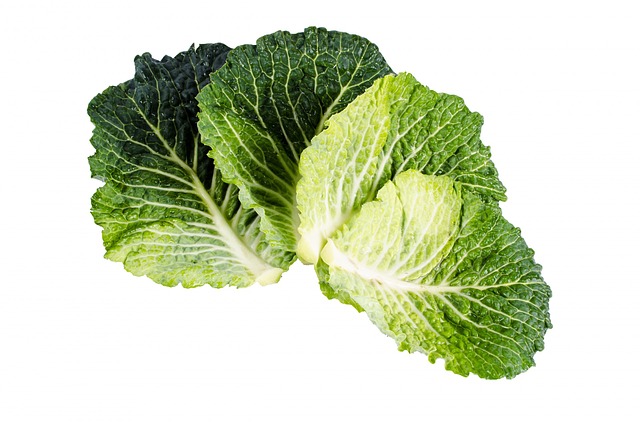
Kale has earned its reputation as a “superfood” due to its incredible nutrient density relative to its low calorie count. It belongs to the cruciferous vegetable family, which is known for its health-promoting compounds.
- Vitamin K1: Kale is one of the world’s best sources of Vitamin K1, a nutrient essential for blood coagulation. A single cup of raw kale contains nearly 700% of the RDI.
- Antioxidants: It is packed with antioxidants like beta-carotene, vitamin C, quercetin, and kaempferol, which help combat oxidative stress.
- Minerals: Kale is a good plant-based source of calcium, magnesium, and potassium.
Safety Considerations for Kale
Even healthy foods like kale have potential contraindications.
- Interaction with Blood Thinners: The high Vitamin K content can interfere with anticoagulant medications like warfarin (Coumadin). Individuals on these medications must maintain a consistent intake of Vitamin K and should consult their doctor before making significant dietary changes.
- Thyroid Function: Raw kale contains goitrogens, compounds that can interfere with thyroid function in susceptible individuals, particularly those with iodine deficiency. Lightly cooking or steaming kale can significantly reduce its goitrogen content.
- Oxalates: Kale contains oxalates, which can contribute to the formation of kidney stones in people prone to them.
Safe Consumption Guidelines
To harness the benefits of these foods without risks, a balanced approach is essential.
- Liver: Limit consumption to one serving (approx. 100g or 3.5 oz) per week to avoid Vitamin A and copper overload.
- Sardines: Incorporate 2-3 servings per week as part of a balanced diet. Opt for low-sodium versions packed in water or olive oil.
- Kale: Enjoy regularly, but vary it with other greens like spinach and Swiss chard. If you have thyroid issues or are prone to kidney stones, consuming it cooked rather than raw is a safer choice.
Specific Biological Limitation of a Food-First Approach
While a nutrient-dense diet is foundational to health, it has limitations. Certain conditions necessitate targeted supplementation under medical supervision. For example, individuals with malabsorption syndromes (like celiac or Crohn’s disease) may not be able to extract sufficient nutrients from food, regardless of diet quality. Similarly, diagnosed deficiencies, such as severe iron-deficiency anemia or pernicious anemia (B12 deficiency), require high-dose supplements that cannot be matched by food alone. Finally, specific life stages, like pregnancy, often require guaranteed levels of certain nutrients (e.g., folic acid) to prevent birth defects, making supplementation a standard and necessary protocol.
Therapeutic Alternatives
If the foods listed above are not suitable for your diet or health condition, numerous other nutrient-dense options are available.
- For Liver’s Nutrients: Grass-fed beef, egg yolks (especially for choline and Vitamin A), and shellfish like oysters (for zinc and B12) are excellent alternatives.
- For Sardines’ Nutrients: Wild-caught salmon, mackerel, and herring offer similar omega-3 and Vitamin D benefits. For a plant-based omega-3 source, consider chia seeds, flaxseeds, and walnuts (providing ALA, a different form of omega-3).
- For Kale’s Nutrients: Other dark leafy greens like spinach, collard greens, and Swiss chard offer similar profiles. Broccoli and Brussels sprouts are other cruciferous vegetables rich in vitamins and beneficial compounds.
Recent Medical Research (2020-2026)
Recent research continues to reinforce the benefits of whole-food-based nutrition over isolated supplements for the general population. A 2022 meta-analysis published in the Journal of the American College of Cardiology found that while certain nutrient supplements had modest benefits for cardiovascular health, the most significant risk reductions were consistently associated with dietary patterns rich in fruits, vegetables, and whole grains. Furthermore, studies on the gut microbiome indicate that the fiber and polyphenols in plant foods like kale create a healthier gut environment, which in turn improves overall nutrient absorption and immune function—an effect not achievable with a standard multivitamin.
However, research also highlights the continued importance of supplementation for specific populations. For instance, a 2023 study in The Lancet reaffirmed the critical role of Vitamin D supplementation in preventing rickets in children and reducing fall risk in institutionalized elderly adults, acknowledging that dietary sources alone are often insufficient.
Specialist’s Summary
Incorporating nutrient-dense foods like liver, sardines, and kale offers a synergistic blend of vitamins, minerals, and co-factors that is generally superior to synthetic multivitamins for promoting overall health. These foods provide highly bioavailable nutrients for metabolic, neurological, and structural support. However, they come with specific contraindications, particularly for individuals with gout, on blood thinners, or during pregnancy. Always prioritize a varied diet and consult a healthcare professional to determine if targeted supplementation is necessary for your specific health needs.
Frequently Asked Questions
1. Can I stop taking my multivitamin if I eat these foods?
This decision should only be made in consultation with your healthcare provider. While a nutrient-dense diet can reduce the need for a general multivitamin for many healthy adults, you may have specific needs based on your age, genetics, health status, or lab results that require continued supplementation.
2. Is liver from a conventional supermarket safe to eat?
Yes, liver sold in most supermarkets is generally safe. However, to maximize nutrient quality and minimize potential exposure to environmental contaminants, choosing liver from organic, pasture-raised, or grass-fed animals is the ideal option whenever possible.
3. What is the best way to cook kale to preserve its nutrients?
Light steaming or sautéing is one of the best methods. It reduces goitrogens and oxalates while preserving most of the heat-sensitive vitamins like Vitamin C. Boiling kale for long periods can cause many of its water-soluble nutrients to leach into the water.
4. Are these foods safe during pregnancy?
Sardines and well-cooked kale are generally safe and beneficial during pregnancy. However, liver should be strictly limited or avoided due to the high risk of Vitamin A toxicity, which can cause serious birth defects. Always consult your obstetrician for personalized dietary advice.
Sources and References
- DiNicolantonio, J. J., & O’Keefe, J. H. (2022). Cardiovascular and all-cause mortality benefits of dietary supplements: A systematic review and meta-analysis of randomized controlled trials. Journal of the American College of Cardiology, 80(25), 2374-2388.
- U.S. Department of Agriculture, Agricultural Research Service. FoodData Central. https://fdc.nal.usda.gov/
- National Institutes of Health, Office of Dietary Supplements. Vitamin A Fact Sheet for Health Professionals. https://ods.od.nih.gov/factsheets/VitaminA-HealthProfessional/
⚠️ Important Medical Information
This article is for educational and informational purposes only and is not intended as medical advice, diagnosis, or treatment. The information provided about nutrient-dense foods is based on traditional use, preliminary research, and available scientific evidence, which may be limited.
Before making significant dietary changes:
- Consult a qualified healthcare provider, especially if you are pregnant, breastfeeding, taking medications, or have existing health conditions like gout, thyroid disease, or kidney problems.
- Do not use this information as a substitute for prescribed medications or professional medical treatment.
- Individual results may vary – dietary needs are highly personal.
- Monitor for adverse reactions and discontinue consumption of any food that causes negative symptoms.