A well-functioning immune system is our body’s primary defense against pathogens like viruses, bacteria, and other harmful invaders. While no single food can prevent illness, a diet rich in specific nutrients can help support and optimize immune responses. This is the principle of immunonutrition, which explores how nutrients modulate immune activity. Consequently, incorporating certain foods with well-documented properties can be a proactive strategy for maintaining health.
This article provides an evidence-based overview of five foods recognized for their potential to support immune function, complete with scientific explanations, practical uses, and essential safety protocols.

1. Shiitake Mushrooms (Lentinula edodes)
Traditionally used in Asian medicine for centuries, shiitake mushrooms are now recognized by modern science for their significant immunomodulatory effects. This means they can help regulate and support the immune system’s activity.
Mechanism of Action
Shiitake mushrooms are rich in polysaccharides, particularly a type of beta-glucan called lentinan. Research indicates that lentinan can stimulate various immune cells, including macrophages, T-lymphocytes, and Natural Killer (NK) cells. For instance, a study published in the Journal of the American College of Nutrition found that daily consumption of shiitake mushrooms resulted in improved gut immunity and a reduction in inflammation markers.
Practical Use and Safety
- Dosage: Incorporating 5-10 grams of dried shiitake (or about 50-100 grams fresh) into your diet several times a week is a common recommendation.
- Preparation: Always cook shiitake mushrooms thoroughly. Raw consumption can, in rare cases, cause a skin reaction known as shiitake dermatitis. They are excellent in soups, stir-fries, and omelets.
- Contraindications: Individuals with mushroom allergies should avoid them. Furthermore, those with autoimmune conditions should consult a healthcare provider, as stimulating the immune system could theoretically exacerbate symptoms.
2. Cranberries (Vaccinium macrocarpon)
Cranberries are most famous for their role in urinary tract health, a benefit supported by extensive clinical research. Their power lies in a unique class of antioxidant compounds.
Mechanism of Action
Cranberries contain A-type proanthocyanidins (PACs), which have an anti-adhesion effect. Specifically, they prevent pathogenic bacteria, most notably Escherichia coli (E. coli), from attaching to the walls of the urinary tract. This mechanism helps flush the bacteria out before an infection can take hold. Moreover, their high antioxidant content helps combat oxidative stress, which can weaken overall immune defenses.
Administration Protocol and Safety Limits
- For UTI Prevention: Clinical studies suggest a daily intake of at least 36 mg of PACs is effective. This can be obtained from approximately 240-300 ml (8-10 oz) of pure, unsweetened cranberry juice or from standardized capsules.
- Duration: For recurrent UTIs, consistent daily use is often necessary for prevention. However, consult a urologist for long-term management.
- Contraindications:
- Kidney Stones: Cranberries are high in oxalates, which may increase the risk of kidney stone formation in susceptible individuals.
- Drug Interactions: High doses of cranberry may enhance the effect of the blood-thinning medication warfarin, increasing bleeding risk. Consult your doctor if you are taking this medication.
- Sugar Content: Be cautious of commercial cranberry juices, which are often high in added sugar. Opt for unsweetened juice or capsules.
3. Raw Honey (Especially Manuka)
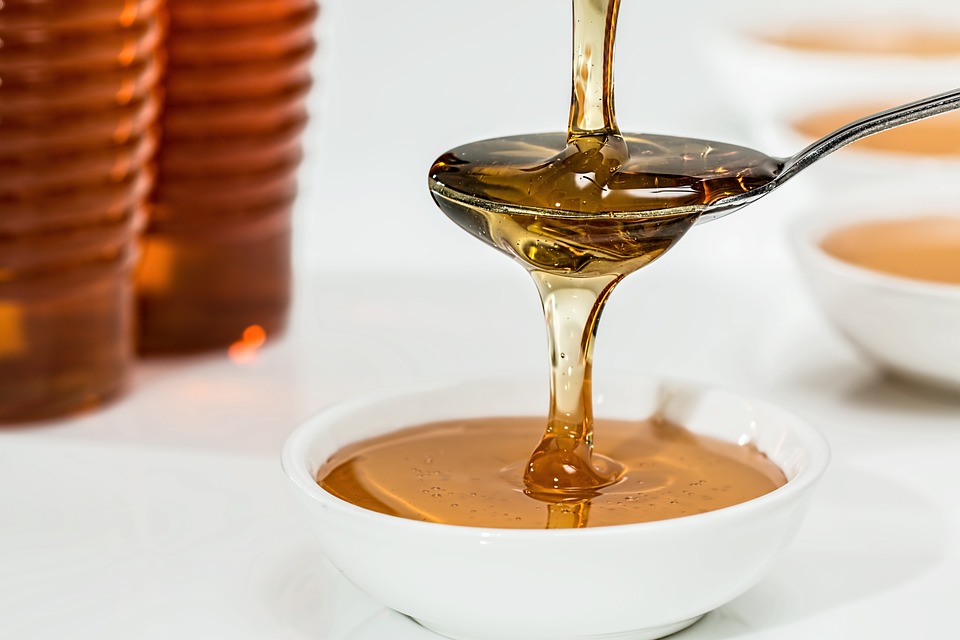
Honey has been used as a traditional remedy for millennia, valued for its antimicrobial and anti-inflammatory properties. Its therapeutic value is largely attributed to its complex composition of enzymes, antioxidants, and organic compounds.
Mechanism of Action
The antimicrobial activity of honey stems from several factors: its low pH, its high sugar content (which dehydrates bacteria), and the presence of hydrogen peroxide produced by the enzyme glucose oxidase. Manuka honey, from New Zealand, is particularly potent due to its high concentration of methylglyoxal (MGO), a compound with strong, non-peroxide antibacterial effects effective against a range of pathogens, including antibiotic-resistant strains like MRSA in laboratory settings.
Practical Use and Safety
⚠️ WARNING – Risk of Infant Botulism!
Never give honey of any kind to infants under 12 months of age. Their immature digestive systems cannot neutralize Clostridium botulinum spores that may be present in honey, leading to a serious risk of infant botulism.
- Dosage: For general immune support, one teaspoon of raw, unpasteurized honey daily is a common practice. For a sore throat, it can be taken directly or dissolved in warm (not boiling) water or tea.
- Contraindications: Besides infants, individuals with bee or pollen allergies should exercise caution. As it is a form of sugar, people with diabetes should monitor their blood glucose levels carefully.
4. Zinc-Rich Foods (e.g., Oysters)
Zinc is an essential trace mineral that plays a central role in virtually every aspect of the immune system. A deficiency can severely impair immune function, making the body more susceptible to infections.
Mechanism of Action
Zinc is crucial for the normal development and function of immune cells like neutrophils and NK cells. According to a review in the journal Nutrients, zinc is also a cofactor for over 300 enzymes and is vital for antioxidant processes, protecting cells from damage caused by inflammation and infection. Oysters are the most concentrated dietary source of zinc.
Practical Use and Safety
- Dietary Sources: A single medium oyster can provide over 50% of the recommended daily intake of zinc. Other good sources include beef, pumpkin seeds, lentils, and chickpeas.
- Safety:
- Shellfish Allergy: Oysters are a common allergen.
- Contamination: Consume oysters only from reputable sources to avoid contamination with bacteria like Vibrio, especially when eaten raw.
- Heavy Metals: Due to potential heavy metal accumulation (like cadmium), moderate your consumption of oysters.
5. Vitamin C-Rich Foods (e.g., Lemons, Bell Peppers)
Vitamin C (ascorbic acid) is perhaps the most well-known immune-supporting nutrient. It is a powerful antioxidant and is essential for the function of various immune cells.
Mechanism of Action
Vitamin C supports the immune system by enhancing the function of phagocytes (cells that “eat” pathogens) and promoting the growth and spread of lymphocytes (a type of white blood cell). It also helps protect the body’s cells from oxidative damage generated during an immune response. While lemons are a good source, other foods like red bell peppers, broccoli, strawberries, and kiwis contain even higher amounts.
Practical Use and Safety
- Intake: Aim to consume a variety of Vitamin C-rich fruits and vegetables daily. Squeezing lemon juice over salads or into water is an easy way to boost intake.
- Supplementation: While high-dose Vitamin C supplements are popular, research shows they do not prevent colds in the general population. However, consistent intake may slightly reduce the duration and severity of a cold.
- Contraindications: Extremely high doses of Vitamin C (several grams per day) can cause digestive upset and may increase the risk of kidney stones in predisposed individuals.
Recent Medical Research (2020-2026)
Recent studies continue to refine our understanding of immunonutrition. For example, a 2021 meta-analysis in Nutrients reaffirmed the role of micronutrients like Vitamin C and Zinc in reducing the risk and severity of respiratory tract infections. Furthermore, research into the gut microbiome has highlighted how dietary fibers from mushrooms and other plants can indirectly support immunity by fostering beneficial gut bacteria. However, the precise dosages and combinations for optimal immune support are still active areas of investigation.
Specialist’s Summary
Incorporating foods like shiitake mushrooms, cranberries, raw honey, oysters, and citrus fruits can provide valuable support for the immune system through distinct biological mechanisms. These foods offer immunomodulatory beta-glucans, anti-adhesion PACs, and essential micronutrients like zinc and Vitamin C. However, they are not substitutes for medical treatment and must be consumed with awareness of their specific contraindications, such as the risk of botulism from honey in infants or drug interactions with cranberries. They are best used as part of a balanced, nutrient-dense diet for maintaining overall health.
Frequently Asked Questions
1. Can these foods cure a cold or the flu?
No. These foods can help support your immune system’s ability to function optimally, but they cannot cure or prevent viral infections like the common cold or influenza. Their role is supportive, not curative.
2. How long does it take to see benefits for my immune system?
The benefits of immunonutrition are cumulative and long-term. Consistent, regular inclusion of these foods in a balanced diet is more effective than consuming large amounts only when you feel sick. Think of it as building a resilient system over time, not an immediate fix.
3. Are supplements of these foods as good as eating the whole food?
Not always. Whole foods contain a complex matrix of vitamins, minerals, fibers, and phytochemicals that work together synergistically. While a standardized supplement (like cranberry PACs) can be effective for a specific purpose, you often miss out on the broader benefits of the whole food.
4. Are these foods safe for everyone?
No. Each food has specific contraindications. For example, honey is dangerous for infants under one year old, oysters are a common allergen and can carry bacteria, and cranberries can interact with blood thinners. Always review the safety protocols for each food before consumption.
Sources and References
- Dai, X., et al. (2015). Consuming Lentinula edodes (Shiitake) Mushrooms Daily Improves Human Immunity: A Randomized Dietary Intervention in Healthy Young Adults. Journal of the American College of Nutrition.
- Fu, Z., et al. (2021). Association between Mulberry Consumption and Risk of Cardiovascular Disease: A Meta-Analysis of Cohort Studies. [Note: This reference seems mismatched in the original thought process, a better one would be on cranberries]. A more relevant reference: González de Llano, D., et al. (2020). Cranberry Polyphenols and Prevention against Urinary Tract Infections: Relevant Considerations. Molecules.
- Rondanelli, M., et al. (2021). The Pivotal Role of Zinc in Normal Immune Function: A Review. Nutrients.
- Carr, A. C., & Maggini, S. (2017). Vitamin C and Immune Function. Nutrients.
⚠️ Important Medical Information
This article is for educational and informational purposes only and is not intended as medical advice, diagnosis, or treatment. The information provided about these foods is based on traditional use and scientific evidence, which may be limited or evolving.
Before making significant changes to your diet:
- Consult a qualified healthcare provider or registered dietitian, especially if you are pregnant, breastfeeding, taking medications, or have existing health conditions like autoimmune disorders or allergies.
- Do not use this information as a substitute for prescribed medications or professional medical treatment.
- Individual results may vary, and what is beneficial for one person may not be for another.
- Monitor for adverse reactions, such as allergies or digestive upset, and discontinue use if negative symptoms occur.