Seaweed for Thyroid Health: A Guide to Benefits and Safe Use

Learn how edible seaweeds like Kelp and Nori support thyroid function, plus crucial safety information on iodine intake.

by Andreea Smiterson
2 comments
A+A-
Reset

For millennia, coastal cultures have harvested seaweed not just as a food source but also for its traditional medicinal uses. Today, modern science is exploring the unique nutritional profile of these marine algae, confirming their status as a potent functional food. However, while rich in essential nutrients, their consumption requires knowledge and caution.

This article, written from a phytotherapy specialist’s perspective, provides an evidence-based overview of seaweed’s health benefits, focusing on its role in thyroid support, and outlines the critical safety protocols for its use.

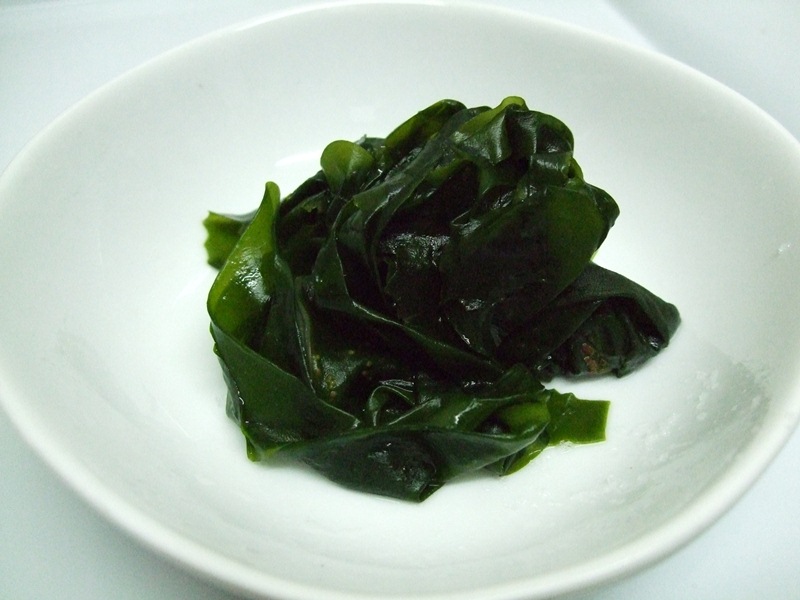
seaweed benefits and varieties

Common Types of Edible Seaweed

Seaweed is a broad term for various species of marine algae. Furthermore, each type offers a unique flavor, texture, and nutritional profile. Understanding these differences is key to incorporating them safely into your diet.

  • Nori (Porphyra spp.): These are the familiar dried sheets used for sushi. Nori has a mild flavor and a moderate iodine content, making it one of the safer options for regular consumption.
  • Kelp (Laminaria spp.): A type of brown algae, kelp is often sold in dried strips or as a powder. Importantly, it is one of the most potent natural sources of iodine, which requires careful dosage.
  • Kombu (Saccharina japonica): This is a type of kelp popular in Japanese cuisine for making dashi broth. Due to its extremely high iodine levels, kombu should be used sparingly.
  • Wakame (Undaria pinnatifida): With a subtly sweet flavor, wakame is commonly used in miso soup and salads. It contains significant amounts of iodine and fucoxanthin, a compound studied for its metabolic effects.
  • Dulse (Palmaria palmata): This red seaweed has a soft, chewy texture and can be eaten raw or cooked. It is a good source of iron and potassium with a more moderate iodine content than kelp.
  • Arame (Eisenia bicyclis): This lacy, black seaweed has a mild, semi-sweet flavor and is often added to stir-fries and salads after soaking.

Evidence-Based Health Benefits of Seaweed

While traditional use is extensive, modern research has focused on several key areas where seaweed may offer significant health support.

1. Thyroid Function Support

The most well-documented benefit of seaweed is its ability to support thyroid health. The thyroid gland requires iodine to produce the hormones thyroxine (T4) and triiodothyronine (T3), which regulate metabolism throughout the body. Consequently, an iodine deficiency can lead to hypothyroidism and goiter. According to the National Institutes of Health, seaweeds like kelp are among the richest natural sources of this essential mineral. However, this potency is also its greatest risk, as excessive intake can be harmful.

2. Rich Source of Vitamins and Minerals

Beyond iodine, seaweed is a powerhouse of micronutrients. For instance, it provides concentrated amounts of:

  • Iron: Essential for red blood cell production and oxygen transport.
  • Calcium and Magnesium: Crucial for bone health, muscle function, and nerve transmission.
  • Vitamin K: Important for blood clotting and bone metabolism.
  • Folate (Vitamin B9): Necessary for DNA synthesis and cell growth.

This nutrient density makes it a valuable addition to a balanced diet, particularly for those on plant-based diets who may need to source these minerals carefully.

3. May Support Gut Health

Seaweeds are rich in unique polysaccharides and soluble fibers, such as alginate, fucoidans, and carrageenan. Research published in journals like Marine Drugs suggests these fibers act as prebiotics. In other words, they resist digestion in the upper gastrointestinal tract and travel to the colon, where they nourish beneficial gut bacteria. A healthy gut microbiome is linked to improved digestion, immune function, and overall health.

Administration Protocol and Safety Limits

Consuming seaweed safely requires strict adherence to dosage, especially when using concentrated supplements like kelp powder or tablets.

Parameter Guideline
Maximum Daily Iodine Intake The Tolerable Upper Intake Level (UL) for a healthy adult is 1,100 micrograms (mcg) per day. The Recommended Dietary Allowance (RDA) is 150 mcg.
Dietary Consumption Limit high-iodine seaweeds like Kombu and Kelp to once or twice per week in small amounts (e.g., a small strip for broth). Lower-iodine varieties like Nori can be consumed more frequently.
Supplement Duration If using kelp supplements, consider a cycle of 3-4 weeks on, followed by a 1-2 week break to prevent iodine accumulation. Never exceed the dose recommended on the product label.
Administration Condition Consume seaweed as part of a meal to aid digestion and nutrient absorption. Ensure you purchase from reputable sources that test for heavy metal contamination (e.g., arsenic, lead, mercury).

Specific Biological Limitation

High and Variable Iodine Content: The primary limitation of seaweed is its iodine concentration, which can vary dramatically between species and even batches. While this is beneficial for correcting an iodine deficiency, it poses a significant risk for individuals with certain thyroid conditions. For people with autoimmune thyroid disorders like Hashimoto’s thyroiditis or Graves’ disease, a sudden high intake of iodine can trigger or worsen thyroid dysfunction, leading to either hyperthyroidism or hypothyroidism. Therefore, self-medicating with seaweed for a suspected thyroid issue is extremely dangerous.

Contraindications and Precautions

It is crucial to be aware of situations where seaweed consumption should be avoided or approached with extreme caution.

Absolute Contraindications

  • Hyperthyroidism and Graves’ Disease: Excess iodine will worsen the overactive thyroid condition.
  • Active Hashimoto’s Thyroiditis: Unless under strict medical supervision, high iodine intake can exacerbate the autoimmune attack on the thyroid.
  • Known Iodine Allergy or Sensitivity: Can cause skin reactions or other allergic symptoms.

Vulnerable Populations

  • Pregnancy and Breastfeeding: While iodine is essential, excessive intake can harm the fetal or infant thyroid. Consult a healthcare provider for appropriate intake levels.
  • Children: Children have a lower Tolerable Upper Intake Level for iodine and should consume seaweed in very small, infrequent amounts.

Major Drug Interactions

  • Thyroid Medications (e.g., Levothyroxine): High iodine intake can interfere with the medication’s effectiveness.
  • Anti-thyroid Drugs (e.g., Methimazole): Combining these with high-iodine seaweed can have unpredictable effects on thyroid function.
  • Amiodarone: This heart medication contains a high level of iodine; concurrent use with seaweed can lead to iodine toxicity.
  • Anticoagulants (e.g., Warfarin): Seaweed is high in Vitamin K, which can counteract the effects of blood-thinning medications.

Therapeutic Alternatives

If seaweed is not a suitable option due to its high iodine content or other contraindications, consider these alternatives for similar benefits:

  1. For Thyroid Support (Iodine): Safer, more controlled sources of iodine include iodized salt, seafood (such as cod and tuna), and dairy products. These provide iodine in more predictable amounts.
  2. For Gut Health (Prebiotic Fiber): To nourish beneficial gut bacteria, consider incorporating foods rich in other types of prebiotic fiber, such as oats (beta-glucans), flaxseed (mucilage), and psyllium husk.
  3. For Mineral Density: For a rich source of minerals like calcium and magnesium without the high iodine risk, focus on leafy greens (spinach, kale), nuts (almonds), and seeds (sesame, chia).

Recent Medical Research (2020-2026)

Modern science continues to investigate the complex compounds in seaweed. A 2023 meta-analysis in the journal Nutrients reinforced the link between seaweed polysaccharides and positive modulation of the gut microbiota, suggesting a potential role in metabolic health. Furthermore, ongoing research is exploring the anti-inflammatory and antioxidant properties of specific compounds like fucoidan and fucoxanthin. However, most of this research is still in preclinical or early clinical stages, and more robust human trials are needed to confirm these effects.

Specialist’s Summary

Seaweed is a nutrient-dense food primarily useful for providing iodine to support thyroid function in individuals without pre-existing thyroid conditions. Its benefits for gut health are promising but require further research. However, it is strongly contraindicated in cases of hyperthyroidism and must be used with extreme caution by those with autoimmune thyroid disease due to its high and variable iodine content. Safer alternatives for iodine include iodized salt and seafood, while oats and flaxseed can provide comparable fiber benefits.

Frequently Asked Questions

1. How much seaweed is safe to eat daily?
For most people, consuming low-iodine seaweed like Nori (1-2 sheets) daily is generally safe. High-iodine seaweeds like Kelp or Kombu should be limited to small amounts once or twice a week to avoid exceeding the safe upper limit for iodine (1,100 mcg).

2. Can seaweed cause thyroid problems?
Yes, consuming too much seaweed, especially high-iodine varieties, can induce thyroid problems. It can cause or worsen both hyperthyroidism (overactive thyroid) and hypothyroidism (underactive thyroid), particularly in susceptible individuals.

3. Which seaweed is the healthiest?
There is no single “healthiest” seaweed, as each has a unique nutritional profile. Nori is great for its balance of nutrients and safer iodine levels. Wakame is rich in fucoxanthin. Kelp is highest in iodine. The best choice depends on your specific dietary needs and health status.

4. Is seaweed safe during pregnancy?
Pregnant women have increased iodine needs, but excessive intake can be harmful to the baby’s thyroid. Small, controlled amounts of low-iodine seaweed may be acceptable, but it is essential to consult a healthcare provider to ensure total iodine intake from all sources remains within a safe range.

Sources and References

  1. National Institutes of Health. (2022). Iodine – Fact Sheet for Health Professionals. Office of Dietary Supplements. https://ods.od.nih.gov/factsheets/Iodine-HealthProfessional/
  2. Cherry, P., O’Hara, C., Magee, P. J., McSorley, E. M., & Allsopp, P. J. (2019). Risks and benefits of consuming edible seaweeds. Nutrition Reviews, 77(5), 307–329. https://doi.org/10.1093/nutrit/nuy066
  3. Shang, Q., Shan, X., & Cai, C. (2023). Dietary Seaweed Polysaccharides and Their Impact on the Gut Microbiota: A Review. Foods, 12(15), 2935. https://doi.org/10.3390/foods12152935

⚠️ Important Medical Information

This article is for educational and informational purposes only and is not intended as medical advice, diagnosis, or treatment. The information provided about Seaweed is based on traditional use, preliminary research, and available scientific evidence, which may be limited.

Before using Seaweed:

  • Consult a qualified healthcare provider, especially if you are pregnant, breastfeeding, taking medications, or have existing health conditions like a thyroid disorder.
  • Do not use as a substitute for prescribed medications or professional medical treatment.
  • Individual results may vary – what works for one person may not work for another.
  • Monitor for adverse reactions and discontinue use if negative symptoms occur.


You may also like

2 comments

John Cadwallader
John Cadwallader April 12, 2016 - 14:01

wow never thought it had that many good things but those dried seaweed things you eat so bad 🙁

Reply

Leave a Comment