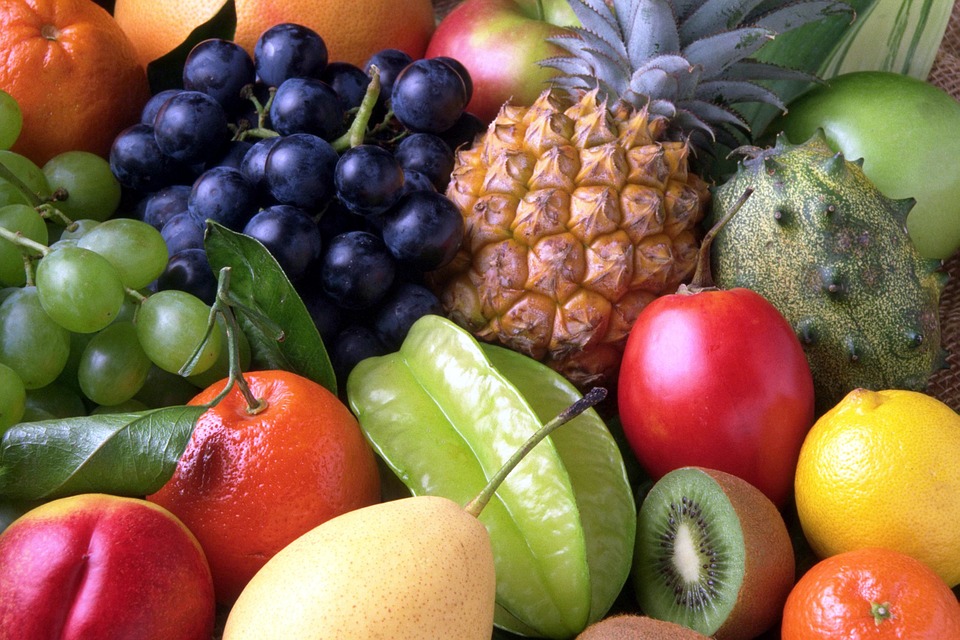
The Cardiovascular Benefits of Daily Fruit Intake: A Science-Based Guide

Learn how fruits support heart health by managing platelet activity and inflammation, with clear guidelines on safe consumption.

by Andreea Smiterson
0 comments
A+A-
Reset

Integrating at least one serving of fruit into your daily diet is a cornerstone of preventive health, a recommendation supported by major global health organizations. While the advice is common, the specific physiological benefits, particularly for cardiovascular health, are profound and backed by extensive research. This guide explores the science behind how fruits protect your heart and blood vessels, offering an evidence-based perspective on their role in a healthy lifestyle.

fruits can save your life

How Fruits Support Cardiovascular Health

One of the most significant ways fruits protect the cardiovascular system is by modulating platelet activity. Platelets are small blood cells responsible for forming clots to stop bleeding. However, when they become overly active (a state known as platelet hyperreactivity), they can form unnecessary clots within blood vessels, leading to severe events like heart attacks and strokes. Furthermore, activated platelets release inflammatory compounds that contribute to the development of atherosclerosis (the hardening and narrowing of arteries).

Research published in journals such as the *American Journal of Clinical Nutrition* indicates that certain phytochemicals in fruits, particularly flavonoids and polyphenols, can help maintain healthy platelet function. For instance, studies have observed that regular consumption of berries, like strawberries and blueberries, which are rich in anthocyanins, may help reduce platelet activation. This natural modulation helps keep blood flowing smoothly and reduces the inflammatory burden on arterial walls.

It is important to note that while some fruits contain natural salicylates—compounds with a similar chemical base to aspirin—their concentration is far too low to replicate the clinical effect of medical aspirin. Therefore, fruits should never be considered a substitute for prescribed anticoagulant or antiplatelet medications.

Essential Nutrients for a Healthy Heart

Beyond their effect on platelets, fruits deliver a synergistic blend of vitamins, minerals, and fiber that are vital for cardiovascular wellness.

  • Potassium: This essential mineral helps counterbalance sodium levels in the body, which aids in managing blood pressure. Moreover, potassium is crucial for maintaining a regular heartbeat. Fruits like bananas, oranges, cantaloupe, and apricots are excellent sources.
  • Dietary Fiber: Fruits are rich in soluble fiber, which has been shown to help lower LDL (“bad”) cholesterol levels. Soluble fiber binds with cholesterol particles in the digestive system and removes them from the body, preventing them from building up in the arteries. Apples, citrus fruits, and pears are particularly high in this type of fiber.
  • Antioxidants: Compounds like Vitamin C and various flavonoids act as powerful antioxidants. They neutralize free radicals, unstable molecules that cause oxidative stress—a key factor in the development of chronic inflammation and damage to the inner lining of blood vessels.

Administration Protocol and Safety Limits

While fruits are fundamentally healthy, a structured approach ensures maximum benefit without potential drawbacks.

Recommended Daily Intake

Health authorities like the World Health Organization (WHO) recommend consuming at least five portions (around 400 grams total) of fruits and vegetables daily. A single serving is typically defined as:

  • One medium-sized fruit (e.g., an apple, banana, or orange)
  • Half a cup of chopped, cooked, or canned fruit
  • A cup of berries or melon

For optimal results, prioritize variety. Consuming a “rainbow” of different colored fruits ensures a broad spectrum of phytonutrients, each with unique health benefits.

Risks of Overconsumption

Exceeding recommended amounts, especially of high-sugar fruits or fruit juices, can lead to an excessive intake of fructose. This may contribute to elevated triglycerides, unwanted weight gain, and digestive issues like bloating or diarrhea in sensitive individuals. Therefore, moderation is key.

Method of Consumption

Whole fruits are nutritionally superior to fruit juices. The fiber in whole fruit slows the absorption of sugar, preventing sharp spikes in blood glucose. Juicing removes this beneficial fiber, delivering a concentrated dose of sugar. Consequently, whole fruits should always be the preferred choice.

Specific Biological Limitation

Fructose Metabolism and Blood Sugar Control

Fruits contain fructose, a natural sugar. In the context of whole fruit, the accompanying fiber, water, and micronutrients help regulate its absorption and metabolism. However, for individuals with pre-existing metabolic conditions such as insulin resistance, type 2 diabetes, or non-alcoholic fatty liver disease (NAFLD), portion control is essential. The liver metabolizes fructose, and an excessive load can strain this organ and impact blood sugar levels. Therefore, these individuals should work with a healthcare provider to determine appropriate fruit choices and serving sizes.

Contraindications and Precautions

Absolute Contraindications

  • Severe Kidney Disease: Individuals with advanced chronic kidney disease may need to limit fruits high in potassium (like bananas, oranges, and melons) to prevent hyperkalemia, a dangerous condition of elevated potassium in the blood.
  • Known Allergies: Specific fruit allergies can cause reactions ranging from mild oral allergy syndrome to life-threatening anaphylaxis.

Major Drug Interactions

Grapefruit and its juice are well-documented to interact with a wide range of medications. Grapefruit contains compounds called furanocoumarins that inhibit the CYP3A4 enzyme in the small intestine. This enzyme is responsible for metabolizing many common drugs, including:

  • Statins (for cholesterol): Inhibition can lead to dangerously high levels of the drug in the bloodstream, increasing the risk of muscle damage.
  • Calcium Channel Blockers (for blood pressure): Levels can increase, causing a sharp drop in blood pressure.
  • Certain Anticoagulants and Immunosuppressants.

Always consult your pharmacist or doctor about potential interactions if you are taking any prescription medication.

Therapeutic Alternatives

If certain fruits are not suitable due to medical conditions or preferences, other dietary strategies can provide similar cardiovascular benefits.

Goal Dietary Alternatives Mechanism
Healthy Platelet Function Garlic, Ginger, Omega-3 Fatty Acids (from fatty fish like salmon) These contain compounds (allicin, gingerols, EPA/DHA) that help modulate platelet aggregation through different biochemical pathways.
Blood Pressure Control Leafy Greens (spinach, kale), Legumes (beans, lentils), Beetroot These are excellent sources of potassium and nitrates (in beetroot), which help relax blood vessels and lower blood pressure.
Cholesterol Management Oats, Barley, Psyllium Husk, Nuts and Seeds Rich in soluble fiber (beta-glucans in oats/barley) and healthy fats that help lower LDL cholesterol.

Note: Each alternative has its own set of contraindications and should be consumed as part of a balanced diet.

Recent Medical Research (2020-2026)

Recent large-scale studies continue to reinforce the benefits of fruit consumption.

  • A 2023 meta-analysis published in the European Heart Journal reviewed data from dozens of cohort studies and concluded that higher daily intake of fruits and vegetables was strongly associated with a lower risk of cardiovascular disease mortality.
  • Research in the journal Nutrients (2022) highlighted the role of specific fruit polyphenols, such as those found in pomegranates and grapes, in improving endothelial function—the health of the inner lining of blood vessels—which is a key factor in preventing atherosclerosis.

Current research is also exploring the impact of fruit consumption on the gut microbiome and how healthy gut bacteria can mediate some of the cardiovascular benefits.

Specialist’s Summary

Daily fruit consumption is a highly effective strategy for supporting cardiovascular health, primarily by modulating platelet activity, reducing inflammation, and supplying essential nutrients like potassium and fiber. While beneficial for most, intake must be managed carefully in individuals with diabetes, kidney disease, or those taking medications that interact with grapefruit. For optimal health, prioritize whole, varied fruits over juices and adhere to recommended daily servings as part of a balanced diet.

Frequently Asked Questions

1. How much fruit is too much in a day?
For most healthy adults, consuming 2-4 servings of fruit spread throughout the day is ideal. Exceeding 5-6 servings daily may lead to excessive sugar intake and digestive discomfort without providing significant additional benefits.

2. Is the sugar in fruit unhealthy?
The fructose in whole fruit is packaged with fiber, water, and nutrients, which slow its absorption and prevent the sharp blood sugar spikes associated with refined sugars. In moderation, it is not unhealthy for most people. However, individuals with insulin resistance or diabetes should monitor their intake.

3. Can I get the same benefits from fruit juice or smoothies?
No. Fruit juice lacks the dietary fiber of whole fruit, leading to a rapid increase in blood sugar. While smoothies can retain fiber if the whole fruit is used, they are often consumed in larger quantities, leading to a higher calorie and sugar intake than eating a single piece of fruit.

4. Are fruits safe for people with diabetes?
Yes, fruits can be part of a healthy diet for people with diabetes, but portion control is critical. It is best to choose fruits with a lower glycemic index (like berries, cherries, and apples) and pair them with a source of protein or healthy fat (like nuts or yogurt) to further stabilize blood sugar levels. Always consult a healthcare provider or registered dietitian for personalized advice.

Sources and References

  • Aune, D., et al. (2017). Fruit and vegetable intake and the risk of cardiovascular disease, total cancer and all-cause mortality—a systematic review and dose-response meta-analysis of prospective studies. International Journal of Epidemiology.
  • Joseph, S. V., et al. (2014). Berries: anti-inflammatory effects in humans. Journal of Agricultural and Food Chemistry.
  • World Health Organization. (2020). Healthy Diet. Fact Sheet.
  • American Heart Association. Fruits and Vegetables Serving Sizes.

⚠️ Important Medical Information

This article is for educational and informational purposes only and is not intended as medical advice, diagnosis, or treatment. The information provided about fruit consumption is based on general nutritional science and available research.

Before making significant changes to your diet:

  • Consult a qualified healthcare provider or registered dietitian, especially if you are pregnant, breastfeeding, taking medications, or have existing health conditions like diabetes or kidney disease.
  • Do not use this information as a substitute for prescribed medications or professional medical treatment.
  • Individual nutritional needs may vary.
  • Monitor for adverse reactions, such as digestive issues or allergic symptoms, and adjust your intake accordingly.


You may also like

Leave a Comment