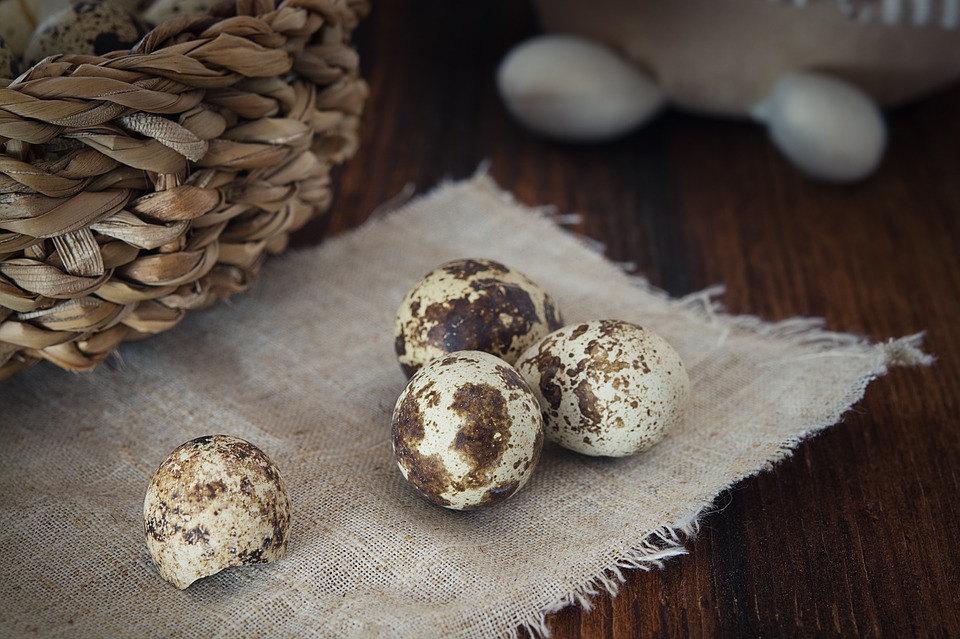
Quail eggs, easily recognizable by their small size and distinctive speckled shells, are more than just a culinary novelty. While they have been a staple in various traditional cuisines for centuries, modern nutritional science is now exploring their dense concentration of vitamins, minerals, and unique bioactive compounds. Although smaller than chicken eggs, they offer a potent source of nutrients that may support various bodily functions, from blood health to immune response.
However, it is crucial to approach their consumption with an understanding of both their potential benefits and safety considerations. This article provides an evidence-based overview of the nutritional value of quail eggs, their traditional uses, and clear guidelines for safe inclusion in your diet.

Evidence-Based Nutritional Benefits of Quail Eggs
Quail eggs are nutritionally dense, meaning they pack a high amount of nutrients into a small volume. For instance, research highlights their rich content of essential amino acids, vitamins, and minerals, often in higher concentrations per gram compared to chicken eggs.
1. May Support Iron Levels and Help with Anemia
Mechanism: Quail eggs are a notable source of iron, a critical mineral for producing hemoglobin, the protein in red blood cells that transports oxygen throughout the body. Consequently, adequate iron intake is essential for preventing iron-deficiency anemia, a condition characterized by fatigue, weakness, and shortness of breath.
Evidence: A study published in the International Journal of Pharmacology and Phytochemical Research noted that quail eggs contain significantly more iron than chicken eggs. Therefore, their regular consumption can contribute to daily iron requirements, which is particularly beneficial for individuals at risk of deficiency, such as women with heavy menstrual cycles.
2. Contributes to a Healthy Immune System
Mechanism: The immune-supportive properties of quail eggs are linked to their rich profile of vitamins and antioxidants. Specifically, they contain Vitamin A, which is vital for maintaining the integrity of mucosal barriers in the respiratory and digestive tracts, our body’s first line of defense against pathogens. Additionally, they provide selenium and riboflavin (Vitamin B2), which act as antioxidants and support immune cell function.
Clinical Observation: While not a cure for illness, a nutrient-rich diet is fundamental for a robust immune response. Including quail eggs can help ensure the body has the necessary micronutrients to function optimally, potentially supporting recovery from common illnesses like colds and flu.
3. Potential Role in Managing Allergic Rhinitis
Mechanism: One of the most studied benefits of quail eggs is their potential to alleviate allergy symptoms. This effect is attributed to a specific protein they contain called ovomucoid, which acts as a natural trypsin inhibitor. According to research published in Food Science & Nutrition, this compound can help stabilize mast cells, preventing them from releasing histamine—the chemical responsible for allergic reactions like sneezing, itching, and nasal congestion.
Evidence: Several clinical studies have investigated the effects of a proprietary quail egg preparation on allergic rhinitis. The results suggest it may help reduce the frequency and severity of symptoms. However, more extensive research is needed to confirm these findings for whole quail eggs consumed as food.
4. Supports Brain Function and Cognitive Health
Mechanism: Like other eggs, quail eggs are an excellent source of choline, a nutrient essential for brain health. Choline is a precursor to acetylcholine, a neurotransmitter involved in memory, mood, and muscle control. Furthermore, the B vitamins found in these eggs, including B12 and riboflavin, play a crucial role in maintaining the health of nerve cells.
Application: A diet rich in choline supports cognitive functions throughout life. Including quail eggs can be a simple way to boost your intake of this vital brain nutrient.
5. Promotes Healthy Vision
Mechanism: The vibrant yellow yolk of a quail egg indicates the presence of carotenoids like lutein and zeaxanthin, as well as a high concentration of Vitamin A. Vitamin A is a component of rhodopsin, a protein in the eyes that allows you to see in low-light conditions. Lutein and zeaxanthin, on the other hand, are antioxidants that accumulate in the retina, helping to protect the eyes from harmful high-energy light waves like ultraviolet rays.
Administration Protocol and Safety Limits
While quail eggs are a food, consuming them for health benefits requires adherence to safety and moderation guidelines.
Dietary Inclusion and Portion Size
- Recommended Portion: A typical serving for a healthy adult is 3-5 quail eggs per day, which is roughly equivalent to one large chicken egg in volume and calories.
- Maximum Dose: There is no strict maximum dose, but due to their cholesterol content, individuals with cardiovascular concerns should consume them in moderation. A reasonable limit is up to 6-8 eggs daily as part of a balanced diet.
- Consumption Method: Always consume quail eggs fully cooked (boiled, fried, or scrambled). This eliminates the risk of foodborne illnesses like Salmonella.
Important Considerations
- Timing: They can be eaten at any time of day, but their protein content makes them an excellent choice for breakfast to promote satiety.
- Hydration: No special hydration is needed, but maintaining adequate water intake is always important for overall health.
- Incompatibilities: There are no known food incompatibilities.
Specific Biological Limitation
Cholesterol Content
Quail eggs contain a higher concentration of cholesterol per gram compared to chicken eggs. While current dietary guidelines from organizations like the American Heart Association suggest that dietary cholesterol has a smaller effect on blood cholesterol than saturated fats for most people, this is a critical consideration for certain individuals.
Technical Warning: People with familial hypercholesterolemia, pre-existing cardiovascular disease, or those who are “hyper-responders” to dietary cholesterol should consult their healthcare provider or a registered dietitian to determine a safe level of consumption.
Contraindications and Precautions
Absolute Contraindications
- Egg Allergy: Individuals with a known allergy to chicken eggs may also react to quail eggs due to cross-reactive proteins like ovomucoid and ovalbumin. An allergic reaction can range from mild hives to severe anaphylaxis. Therefore, anyone with an egg allergy should avoid them.
- Raw Consumption: Raw or undercooked quail eggs carry a significant risk of Salmonella infection, which can cause severe gastrointestinal illness. This risk is especially high for vulnerable populations.
Vulnerable Populations
- Pregnancy and Breastfeeding: Cooked quail eggs are safe and nutritious during pregnancy and breastfeeding. However, raw or undercooked eggs must be strictly avoided due to the risk of salmonellosis.
- Children: Fully cooked quail eggs can be introduced into a child’s diet once they start eating solid foods, typically after 6 months. They are a good source of nutrients for growing children.
- Elderly: Seniors can benefit from the nutrient density of quail eggs, but they must be fully cooked to prevent foodborne illness, as the immune system can weaken with age.
Therapeutic Alternatives
If quail eggs are not suitable for you, other foods can provide similar nutritional benefits.
Nutritional Alternatives
- For Iron: Lean red meat, lentils, and spinach are excellent sources of iron. For better absorption, consume plant-based iron sources with a source of vitamin C, such as bell peppers or citrus fruits.
- For Choline (Brain Health): Chicken eggs, beef liver, soybeans, and shiitake mushrooms are also rich in choline.
- For Vitamin A (Vision): Carrots, sweet potatoes, and dark leafy greens like kale are packed with beta-carotene, which the body converts into Vitamin A.
Recent Medical Research (2020-2026)
Recent studies continue to affirm the high nutritional value of quail eggs and explore their specific health applications.
- A 2022 review in the journal Foods highlighted the rich antioxidant and anti-inflammatory potential of quail egg components, suggesting their role in functional foods. The study emphasized the bioavailability of their nutrients.
- Research published in Frontiers in Nutrition (2023) further investigated the anti-allergic properties of quail egg ovomucoid, confirming its mechanism as a serine proteinase inhibitor that may modulate immune responses in allergic conditions.
Current Limitations: While research on specific compounds in quail eggs is promising, large-scale human clinical trials on the health effects of consuming whole quail eggs are still limited. Most evidence is based on their nutritional composition or studies using concentrated extracts.
Specialist’s Summary
Quail eggs are a nutrient-dense food useful for supporting iron levels, immune function, and brain health due to their high concentration of vitamins and minerals. Notably, emerging research supports their potential role in managing allergy symptoms. However, they are contraindicated for individuals with egg allergies and should only be consumed fully cooked to avoid Salmonella risk. For those with high cholesterol, moderation is key. Validated alternatives for key nutrients include lentils for iron and carrots for vitamin A.
Frequently Asked Questions
1. How many quail eggs equal one chicken egg?
Nutritionally and by volume, approximately 3 to 5 quail eggs are equivalent to one large chicken egg.
2. Are quail eggs healthier than chicken eggs?
Quail eggs have a higher concentration of certain nutrients like iron, vitamin B2, and vitamin A per gram. However, they are also higher in cholesterol. Both can be part of a healthy diet, and the “better” choice depends on individual nutritional needs and health goals.
3. Can you eat quail eggs raw?
No. It is strongly recommended to avoid eating raw quail eggs due to the risk of contamination with harmful bacteria like Salmonella. Always cook them thoroughly before consumption.
4. Are quail eggs safe for children and during pregnancy?
Yes, as long as they are fully cooked. Their nutrient density makes them a beneficial food for children, pregnant women, and breastfeeding mothers. Raw or undercooked eggs must be strictly avoided in these groups.
Sources and References
- Tunsaringkarn, K., Tungjaroenchai, W., & Siriwong, W. (2013). Nutrient benefits of quail (Coturnix coturnix japonica) eggs. International Journal of Scientific and Research Publications, 3(5), 1-8.
- Genchev, A. (2022). Quail Eggs: A Food of the Future. Foods, 11(19), 3093. https://doi.org/10.3390/foods11193093
- Sami, R., et al. (2021). A comprehensive review on the nutritional and biological-functional properties of quail eggs. Food Science & Nutrition, 9(10), 5808-5819.
⚠️ Important Medical Information
This article is for educational and informational purposes only and is not intended as medical advice, diagnosis, or treatment. The information provided about Quail Eggs is based on traditional use, preliminary research, and available scientific evidence, which may be limited.
Before using Quail Eggs for therapeutic purposes:
- Consult a qualified healthcare provider, especially if you are pregnant, breastfeeding, taking medications, or have existing health conditions like high cholesterol or egg allergies.
- Do not use as a substitute for prescribed medications or professional medical treatment.
- Individual results may vary – what works for one person may not work for another.
- Monitor for adverse reactions and discontinue use if negative symptoms occur.