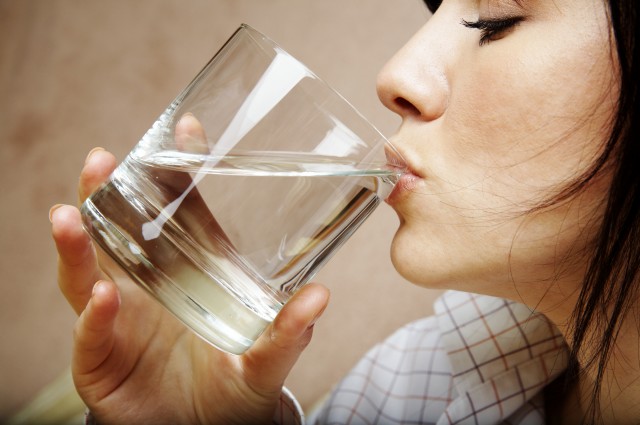
The common advice to drink eight glasses of water daily is more than a mere suggestion; it is a fundamental requirement for optimal physiological function. Proper hydration is essential for everything from cellular metabolism to cognitive performance. However, many individuals unknowingly live in a state of sub-optimal hydration, which can contribute to various health issues over time. Recognizing the early signs of dehydration is the first step toward correcting fluid imbalances and supporting overall wellness.
This article provides an evidence-based overview of five common indicators of inadequate water intake, explains the underlying biological mechanisms, and offers guidance on safe and effective rehydration strategies, including supportive phytotherapeutic options.

1. Persistent Headaches and Dizziness
One of the most frequent symptoms of dehydration is a persistent, nagging headache. When the body loses more fluid than it takes in, the brain tissue can temporarily shrink or contract due to fluid loss. Consequently, this pulls the brain away from the skull, putting pressure on nerves and pain receptors, which results in a “dehydration headache.” Furthermore, dehydration reduces blood volume, which can decrease blood flow and oxygen supply to the brain, further contributing to pain and feelings of lightheadedness or dizziness, especially upon standing.
According to research published in the journal Headache, dehydration is a common trigger for migraines and tension-type headaches. Therefore, ensuring adequate fluid intake should be a primary consideration when experiencing unexplained headaches.
2. Dry Skin and Reduced Elasticity
The skin is the body’s largest organ and requires significant moisture to maintain its integrity and function as a protective barrier. When you are dehydrated, the body prioritizes water for vital internal organs, pulling it away from the skin. As a result, the skin can become dry, flaky, and lose its turgor, or elasticity. A simple clinical test, known as the skin turgor test, involves gently pinching the skin on the back of your hand. In a well-hydrated individual, the skin will snap back immediately. However, if it returns to its normal position slowly, it may indicate moderate to severe dehydration.
3. Unexplained Fatigue and Muscle Cramps
Adequate hydration is critical for metabolic processes and energy production. Dehydration leads to a drop in blood volume, forcing the heart to work harder to pump oxygenated blood to your muscles and organs. This increased cardiovascular strain can result in profound fatigue and lethargy. Moreover, fluid and electrolyte imbalances, particularly in sodium and potassium levels, disrupt normal nerve-to-muscle communication. According to clinical observations, this disruption can cause nerve endings to become hypersensitive, leading to involuntary muscle contractions, spasms, and painful cramps, especially during or after physical activity.
4. Dark Urine and Infrequent Urination
The color and frequency of urination are direct indicators of your hydration status. The kidneys are responsible for filtering waste products from the blood and excreting them in urine while conserving water. When you are well-hydrated, the kidneys excrete more water, resulting in urine that is pale yellow or nearly clear. Conversely, when you are dehydrated, the kidneys conserve as much water as possible. This process concentrates waste products like urobilin, causing the urine to become a dark yellow or amber color. Additionally, urinating fewer than four times a day is a strong sign that your fluid intake is insufficient.
5. Bad Breath (Halitosis) and Dry Mouth
Saliva has natural antibacterial properties and plays a crucial role in cleansing the mouth. Dehydration significantly reduces saliva production, a condition known as xerostomia or dry mouth. In this environment, bacteria can proliferate unchecked, leading to the buildup of sulfur compounds that cause persistent bad breath. A dry, sticky feeling in the mouth is one of the earliest and most reliable signs that your body needs more fluids. This is the body’s direct signal to increase water intake to restore salivary function and oral homeostasis.
Supporting Hydration with Phytotherapy
While pure water is the cornerstone of hydration, certain herbal preparations can support the body’s fluid balance and soothe tissues affected by dryness. These should be used as complements to, not replacements for, adequate water intake.
One such plant is Marshmallow Root (Althaea officinalis). Traditionally used in Western herbalism, Marshmallow root is a classic demulcent herb. It contains high levels of mucilage, a gel-like substance that absorbs water and forms a soothing, protective layer over mucous membranes. This action can help alleviate the discomfort of a dry mouth and throat associated with dehydration.
Administration Protocol and Safety Limits (Marshmallow Root)
For effective and safe use, it is essential to follow established protocols for Marshmallow root preparations.
- Preparation Method: A cold infusion is the preferred method to extract the mucilage without degrading it. Steep 1 tablespoon (approximately 5-10 grams) of dried, cut Marshmallow root in 1 liter of cold water for at least 4 hours, or overnight. Strain before drinking.
- Maximum Daily Dose: For a healthy adult, the recommended daily intake is typically up to 3 liters of the cold infusion, consumed throughout the day.
- Treatment Duration: Marshmallow root can be used as needed for symptomatic relief. For consistent use, a cycle of 2-3 weeks followed by a one-week break is advisable.
- Administration Condition: Drink the infusion between meals to maximize its soothing effect on mucous membranes. Ensure you are also drinking plenty of plain water.
Specific Biological Limitation
The high mucilage content of Marshmallow root is its primary therapeutic mechanism. However, this same property can slow down the absorption of other substances in the digestive tract. This means it has the potential to delay the absorption of co-administered medications, potentially reducing their efficacy. Therefore, it is critical to separate the intake of Marshmallow root from any essential medications by at least two hours.
Contraindications and Precautions
While generally considered safe, certain precautions are necessary.
| Category | Warning and Explanation |
|---|---|
| Drug Interactions | May delay the absorption of oral medications. Take at least 2 hours apart from any prescription drugs, especially those for diabetes (hypoglycemic agents) or lithium. |
| Pregnancy/Breastfeeding | Insufficient data is available. Consult a healthcare provider before use. |
| Diabetes | Theoretically, it may lower blood sugar levels. Individuals with diabetes should monitor their glucose levels closely if using Marshmallow root. |
Therapeutic Alternatives for Hydration Support
If Marshmallow root is not suitable, other botanicals can help support hydration:
- Nettle Leaf (Urtica dioica): Nettle leaf infusion is traditionally regarded as a nutritive tonic. It is rich in minerals such as potassium and magnesium, which function as electrolytes and are essential for maintaining proper fluid balance within cells.
- Hibiscus Flower (Hibiscus sabdariffa): Widely consumed in tropical regions as a cooling beverage, hibiscus tea is both refreshing and hydrating. While it has a mild diuretic effect, when consumed as a dilute infusion, it encourages overall fluid intake and provides antioxidants.
- Coconut Water: Not an herb, but a natural fluid rich in electrolytes like potassium, sodium, and manganese. It serves as an excellent natural alternative to commercial sports drinks for rehydration after mild to moderate exercise.
Recent Medical Research (2020-2026)
Modern research continues to underscore the systemic impact of hydration status. A 2023 study published in eBioMedicine linked optimal hydration with a lower risk of developing chronic diseases and a greater likelihood of healthy aging. The study found that adults with serum sodium levels at the higher end of the normal range were more likely to show signs of accelerated biological aging. This highlights that even mild, chronic dehydration can have long-term health consequences. Research into herbal preparations remains focused on their traditional uses, with growing interest in quantifying the mineral content and demulcent properties of plants like nettle and marshmallow.
Specialist’s Summary
Recognizing the signs of dehydration—such as headaches, dry skin, and dark urine—is crucial for maintaining health. While water is the primary solution, phytotherapy offers supportive measures. Marshmallow root (Althaea officinalis) is useful for soothing dry mucous membranes due to its high mucilage content. However, it is contraindicated for concurrent use with oral medications due to absorption interference. Validated alternatives like Nettle leaf infusion or coconut water can help replenish electrolytes and support overall fluid balance.
Frequently Asked Questions
Can herbal teas count towards my daily water intake?
Yes, non-caffeinated herbal teas like Marshmallow, Nettle, or Hibiscus can contribute to your daily fluid needs. However, they should not completely replace plain water, which is essential for pure, unadulterated hydration.
How can I tell the difference between a dehydration headache and a regular headache?
A dehydration headache is often accompanied by other signs of dehydration, such as thirst, dry mouth, or dark urine. It typically worsens with movement and may be felt throughout the head, rather than in one specific spot. Rehydrating often alleviates the pain within a few hours.
When should I see a doctor for dehydration?
You should seek immediate medical attention if you experience severe symptoms such as confusion, fainting, lack of urination, rapid heartbeat, or shock. These are signs of severe dehydration, which is a medical emergency.
Sources and References
- Blau, J. N., Kell, C. A., & Sperling, J. M. (2004). Water-deprivation headache: a new headache with two variants. Headache: The Journal of Head and Face Pain, 44(1), 79-83.
- Dmitrieva, N. I., Gagarin, A., Liu, D., Wu, C. O., & Boehm, M. (2023). Middle-age high normal serum sodium as a risk factor for accelerated biological aging, chronic disease, and premature mortality. eBioMedicine, 89, 104404.
- European Medicines Agency (EMA). (2016). Community herbal monograph on Althaea officinalis L., radix.
⚠️ Important Medical Information
This article is for educational and informational purposes only and is not intended as medical advice, diagnosis, or treatment. The information provided about dehydration and supportive herbs like Marshmallow Root is based on traditional use, clinical observation, and available scientific evidence.
Before using any herbal remedy:
- Consult a qualified healthcare provider, especially if you are pregnant, breastfeeding, taking medications, or have existing health conditions like diabetes.
- Do not use as a substitute for professional medical treatment for severe dehydration or other medical conditions.
- Individual results may vary – what works for one person may not work for another.
- Monitor for adverse reactions and discontinue use if negative symptoms occur.
Regulatory status: Herbal products are considered dietary supplements in many countries and have not been evaluated by the FDA for treating, curing, or preventing any disease.