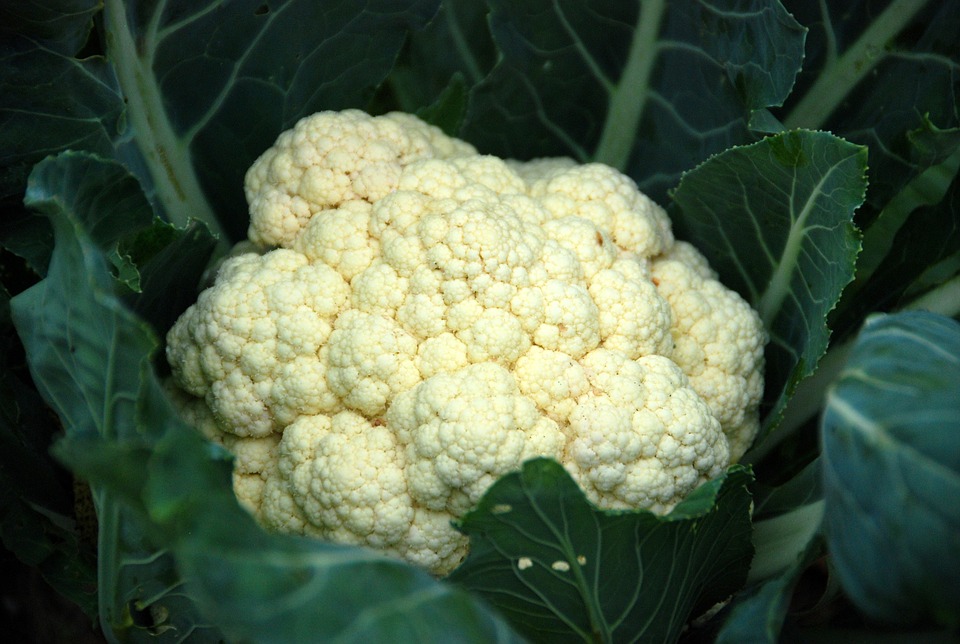
Cauliflower for Weight Management: Benefits and Healthy Puree Recipe

Discover how cauliflower aids weight loss, with a recipe, nutritional info, and precautions.

by Andreea Smiterson
0 comments
A+A-
Reset

As a member of the *Brassicaceae* family, cauliflower (*Brassica oleracea var. botrytis*) is a versatile vegetable recognized for its potential role in a balanced, health-conscious diet. Its low-calorie and high-fiber nature makes it a valuable food for individuals focusing on weight management and overall wellness. Furthermore, its rich profile of vitamins, minerals, and unique plant compounds provides several evidence-supported health benefits that go beyond simple calorie control.

cauliflower-puree-benefits

How Cauliflower Supports a Healthy Weight

Cauliflower’s effectiveness in a weight management plan is not based on a single “fat-fighting” property but on a combination of physiological mechanisms. Primarily, its low energy density means you can consume a significant volume, promoting feelings of fullness (satiety) without a high caloric intake. For instance, one cup of chopped cauliflower contains only about 27 calories but provides 2 grams of dietary fiber and over 2 grams of protein.

Moreover, the dietary fiber in cauliflower slows down digestion. This process helps stabilize blood sugar levels, preventing the sharp spikes and subsequent crashes that can lead to cravings for high-calorie foods. A study published in the journal Nutrients highlighted that increased fiber intake is consistently associated with lower body weight and a reduced risk of obesity.

Broader Health Benefits of Cauliflower

Beyond weight management, cauliflower offers several other significant health advantages supported by scientific research.

Supports Digestive Health

The fiber in cauliflower acts as a prebiotic, feeding the beneficial bacteria in your gut. A healthy gut microbiome is essential for proper digestion, nutrient absorption, and even immune function. Additionally, cauliflower contains glucosinolates, which are sulfur-containing compounds. Research indicates that these compounds, particularly sulforaphane, may help protect the stomach lining and maintain a healthy balance of gut flora.

May Support Cardiovascular Health

Regular consumption of cruciferous vegetables like cauliflower has been linked to improved cardiovascular outcomes. The sulforaphane in cauliflower has demonstrated antioxidant and anti-inflammatory properties, which may help protect blood vessels from damage. Furthermore, the soluble fiber can assist in binding with cholesterol in the digestive system, preventing its absorption into the bloodstream and thus supporting healthy cholesterol levels.

Aids Natural Detoxification Pathways

Cauliflower contains compounds that support the body’s natural detoxification systems. Specifically, glucosinolates are converted into isothiocyanates in the body. These molecules, including sulforaphane, are known to activate Phase II detoxification enzymes in the liver, such as glutathione S-transferases. In effect, this process helps the body neutralize and eliminate potentially harmful substances more efficiently.

Healthy Cauliflower Purée Recipe

This purée is a low-calorie, nutrient-dense alternative to traditional mashed potatoes. It is rich in fiber and does not contain the high levels of simple carbohydrates found in potatoes, making it an excellent choice for those managing blood sugar or focusing on weight loss.

Ingredients:

  • 1 medium head of cauliflower (about 500-600g), cut into florets
  • 3-4 cloves of garlic, peeled
  • 1 tablespoon of extra virgin olive oil or 2 tablespoons of plain Greek yogurt for creaminess
  • 50-80 ml of unsweetened almond or soy milk (or as needed for consistency)
  • Sea salt and freshly ground black pepper to taste
  • Optional: Fresh chives or parsley for garnish

Preparation Instructions:

  1. Steam the Cauliflower: Place the cauliflower florets and whole garlic cloves in a steamer basket over boiling water. Cover and steam for 10-15 minutes, or until the cauliflower is very tender and easily pierced with a fork. Steaming is preferred over boiling to retain more water-soluble nutrients like Vitamin C.
  2. Blend the Ingredients: Transfer the steamed cauliflower and garlic to a high-speed blender or food processor. Add the olive oil (or Greek yogurt), half of the milk, salt, and pepper.
  3. Achieve Desired Consistency: Blend on high until the mixture is smooth and creamy. If the purée is too thick, add the remaining milk one tablespoon at a time until you reach your desired consistency.
  4. Serve: Transfer the purée to a serving bowl. Garnish with fresh herbs if desired and serve warm.

A standard serving of this purée (approximately 1 cup) provides a significant portion of the recommended daily intake of Vitamin C and Vitamin K.

Administration Protocol and Safety Limits

While cauliflower is a healthy food, moderation and awareness are key for optimal benefits.

  • Recommended Frequency: Incorporating cauliflower into your diet 3-4 times per week is a sustainable and beneficial approach for most healthy adults as part of a varied diet.
  • Serving Size: A typical serving is about 1 to 1.5 cups (approx. 100-150g) of florets or purée. Consuming excessively large quantities in one sitting, especially if you are not accustomed to a high-fiber diet, may lead to digestive discomfort such as bloating and gas.
  • Preparation Method: To maximize nutrient retention and reduce goitrogenic compounds, steaming or light sautéing is preferable to prolonged boiling.

Specific Biological Limitation

Goitrogenic Compounds and FODMAPs:

Cauliflower contains compounds known as goitrogens, which can potentially interfere with the thyroid gland’s ability to absorb iodine. This is primarily a concern for individuals with a pre-existing iodine deficiency and hypothyroidism. However, cooking cauliflower significantly reduces its goitrogenic activity, making it generally safe for consumption in moderation.

Additionally, cauliflower is high in mannitol, a type of polyol classified as a FODMAP (Fermentable Oligosaccharides, Disaccharides, Monosaccharides, and Polyols). For individuals with Irritable Bowel Syndrome (IBS), FODMAPs can trigger symptoms like bloating, gas, and abdominal pain.

Contraindications and Precautions

It is important to consider the following before making cauliflower a major part of your diet:

  • Thyroid Conditions: Individuals with hypothyroidism should consult their healthcare provider. It is advisable to consume cauliflower well-cooked and ensure adequate iodine intake.
  • Irritable Bowel Syndrome (IBS): If you have IBS, introduce cauliflower in small amounts to assess your tolerance. A low-FODMAP diet may require you to limit or avoid it.
  • Blood-Thinning Medications: Cauliflower is a good source of Vitamin K, which plays a crucial role in blood clotting. If you take anticoagulant medications like warfarin (Coumadin), it is vital to maintain a consistent intake of Vitamin K. Sudden increases or decreases in cauliflower consumption could affect your medication’s efficacy. Discuss your diet with your doctor to ensure stability.
  • Allergies: Although rare, allergies to vegetables in the *Brassicaceae* family can occur. Discontinue use if you experience any allergic reactions.

Therapeutic Alternatives

If cauliflower is not suitable for you due to digestive or other health concerns, consider these alternatives for similar benefits in weight management and nutrition:

  1. Celeriac (Celery Root): An excellent low-carb vegetable for purées. It has an earthy, distinct flavor and is lower in FODMAPs than cauliflower, making it a better option for many with IBS.
  2. Zucchini (Courgette): Extremely low in calories and carbohydrates, zucchini is high in water content and can be used to add bulk to meals. It is also a low-FODMAP vegetable.
  3. Broccoli: A close relative of cauliflower, broccoli offers a similar fiber content but a different nutritional profile, being exceptionally high in vitamins C and K. Note that it is also a cruciferous vegetable and may cause gas in sensitive individuals.

Recent Medical Research (2020-2026)

Modern research continues to validate the health benefits of cruciferous vegetables. A 2022 meta-analysis published in Frontiers in Nutrition reaffirmed the strong association between higher intake of these vegetables and a reduced risk of various chronic diseases. Studies are increasingly focusing on the role of sulforaphane in cellular health and its potential to modulate inflammatory pathways. However, research is still needed to determine optimal dosages and preparation methods to maximize these benefits in human diets.

Specialist’s Summary

Cauliflower is a highly beneficial vegetable for weight management and digestive health in most individuals, primarily due to its low-calorie, high-fiber profile. Its benefits are best realized when consumed cooked, especially for those with thyroid sensitivities. However, it is contraindicated for individuals on a strict low-FODMAP diet and requires careful management for those on blood-thinning medication due to its Vitamin K content. Excellent alternatives include celeriac for purées and zucchini for low-calorie bulk.

Frequently Asked Questions

1. Can cauliflower purée completely replace mashed potatoes?

Yes, from a culinary perspective, it is an excellent low-carbohydrate, low-calorie substitute. It offers a creamy texture similar to mashed potatoes but with a much higher nutrient density, including significantly more Vitamin C and fiber.

2. Is raw cauliflower healthier than cooked?

Not necessarily. While raw cauliflower may retain slightly more heat-sensitive vitamins, cooking breaks down the plant’s cell walls, making some nutrients more bioavailable. Importantly, cooking significantly reduces goitrogenic compounds, making it safer for individuals with thyroid concerns.

3. Why does cauliflower sometimes cause gas and bloating?

Cauliflower contains both fiber and raffinose, a complex sugar that humans cannot fully digest. When these reach the large intestine, bacteria ferment them, producing gas as a byproduct. This is a normal digestive process but can be more pronounced in those not used to a high-fiber diet or in individuals with IBS.

4. Is cauliflower safe during pregnancy?

Yes, cauliflower is generally safe and healthy during pregnancy. It is a good source of folate, which is crucial for fetal development. As with any food, it should be washed thoroughly and consumed as part of a balanced diet. If you experience significant bloating, moderate your intake.

Sources and References

  • Mazidi, M., et al. (2022). “Higher intake of cruciferous vegetables is associated with a lower risk of all-cause, cardiovascular, and cancer mortality: a systematic review and dose-response meta-analysis.” Frontiers in Nutrition.
  • Slavin, J. L. (2013). “Fiber and prebiotics: mechanisms and health benefits.” Nutrients, 5(4), 1417–1435.
  • Higdon, J. V., et al. (2007). “Cruciferous vegetables and human cancer risk: epidemiologic evidence and mechanistic basis.” Pharmacological Research, 55(3), 224–236.

⚠️ Important Medical Information

This article is for educational and informational purposes only and is not intended as medical advice, diagnosis, or treatment. The information provided about Cauliflower is based on traditional use, preliminary research, and available scientific evidence, which may be limited.

Before using Cauliflower for therapeutic purposes:

  • Consult a qualified healthcare provider, especially if you are pregnant, breastfeeding, taking medications (particularly blood thinners or thyroid medication), or have existing health conditions like IBS or hypothyroidism.
  • Do not use as a substitute for prescribed medications or professional medical treatment.
  • Individual results may vary – what works for one person may not work for another.
  • Monitor for adverse reactions and discontinue use if negative symptoms occur.


You may also like

Leave a Comment