A Phytotherapeutic Guide to Bell Peppers: Nutritional Benefits and Safety Protocols

by Andreea Smiterson
0 comments
A+A-
Reset

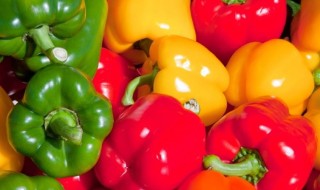
Bell peppers, also known as sweet peppers or by their scientific name *Capsicum annuum*, are a versatile and nutritious fruit. They are available in a variety of vibrant colors, including red, yellow, orange, green, and purple. Unlike their spicier relatives, such as chili or cayenne peppers, bell peppers have a mild, tangy taste and a crunchy texture, making them a popular ingredient in numerous dishes. Furthermore, they are an excellent source of vitamin C and various carotenoids. They also provide significant amounts of dietary fiber, vitamin A, vitamin K, vitamin B6, and folate, which collectively contribute to their health-promoting properties, particularly in supporting cardiovascular wellness.

⚠️ **WARNING – Potential Nightshade Sensitivity!**
*Bell peppers belong to the Solanaceae (nightshade) family of plants. A small percentage of individuals may have a sensitivity to nightshade vegetables, which can manifest as digestive discomfort, joint pain, or inflammatory reactions. If you have a known sensitivity or an autoimmune condition that is exacerbated by nightshades, it is advisable to consult a healthcare professional before significantly increasing your intake.*

Bell Peppers – The Heart’s Allies

Key Health Benefits of Bell Peppers

Support for Cardiovascular Health

Bell peppers contribute significantly to cardiovascular health through their rich nutritional profile. For instance, red bell peppers are an excellent source of the carotenoid lycopene, an antioxidant linked to improved heart health. In addition, the dietary fiber found in all bell peppers, particularly green ones, helps manage cholesterol levels. The presence of folate and vitamin B6 is also crucial, as these nutrients help regulate homocysteine levels in the blood; elevated homocysteine is a known risk factor for heart disease. Moreover, the high content of vitamins A and C provides potent antioxidant protection against free radical damage, while the potassium content helps maintain healthy blood pressure levels.

Contribution to Ocular Health

The high concentration of specific phytonutrients in bell peppers makes them beneficial for maintaining healthy vision. Red bell peppers, in particular, are rich in vitamin A, an essential nutrient for supporting retinal health and adapting to low-light conditions (night vision). They also contain the carotenoids lutein and zeaxanthin, which accumulate in the macula of the eye. These compounds help filter harmful blue light and reduce the risk of developing age-related macular degeneration (AMD). Furthermore, the combination of beta-carotene and a high level of vitamin C may help lower the risk of developing cataracts.

Antioxidant and Anti-Inflammatory Potential

Chronic inflammation and oxidative stress are underlying factors in the development of many chronic diseases. Bell peppers are packed with a wide range of antioxidant and anti-inflammatory nutrients that help mitigate these processes. The antioxidants, such as flavonoids and carotenoids, neutralize unstable molecules called free radicals, thereby protecting cells from damage. Some research suggests that certain enzymes and compounds in bell peppers may support the body’s natural defense mechanisms. Specifically, the carotenoid lycopene, abundant in red varieties, has been studied for its role in cellular health and is associated with a reduced risk for certain conditions affecting the prostate, cervix, and pancreas.

Support for the Immune System

A robust immune system is essential for defending against pathogens. Bell peppers are one of the richest dietary sources of vitamin C, a nutrient vital for the proper functioning of immune cells. Vitamin C not only enhances immunity but also promotes the synthesis of collagen, a protein necessary for healthy skin, joints, and connective tissues. Additionally, the anti-inflammatory properties of bell peppers may help modulate the immune response. Vitamin K, also present in these vegetables, plays a role in building strong bones and protecting cells from oxidative damage.

Administration Protocol and Safety Limits

As bell peppers are a whole food, their consumption is generally considered safe as part of a balanced diet rather than a structured “treatment.”

  • Dietary Inclusion: Bell peppers can be consumed daily without the need for mandatory breaks, provided they are well-tolerated.
  • Recommended Serving Size: A typical serving is one medium-sized bell pepper (approximately 150 grams). There is no established maximum toxic dose from dietary intake. However, consuming excessive quantities may lead to digestive discomfort, such as bloating or gas, in some individuals.
  • Method of Consumption: To preserve heat-sensitive nutrients like vitamin C, consuming bell peppers raw or lightly cooked (e.g., steamed or stir-fried) is optimal. They can be eaten with or without meals.

Specific Biological Limitation

Nightshade Alkaloids and Lectins: Bell peppers contain natural compounds such as alkaloids (in very small, safe amounts, especially when ripe) and lectins. For the vast majority of people, these compounds are completely harmless and are processed without issue. However, for individuals with pre-existing gut sensitivities, leaky gut syndrome, or certain autoimmune conditions (e.g., rheumatoid arthritis, inflammatory bowel disease), these compounds could potentially act as irritants, contributing to inflammation or digestive symptoms. This reaction is highly individualized and not a concern for the general population.

Contraindications and Precautions

Absolute Contraindications

  • Allergy: Individuals with a known allergy to *Capsicum* peppers or other plants in the nightshade family (e.g., tomatoes, potatoes, eggplant) should avoid bell peppers entirely. Allergic reactions can range from mild skin rashes to severe anaphylaxis.

Vulnerable Populations

  • Pregnancy and Breastfeeding: Bell peppers are safe and nutritious to consume as part of a balanced diet during pregnancy and breastfeeding.
  • Children: Bell peppers can be introduced to a child’s diet along with other solid foods. As with any new food, it is important to watch for signs of allergy or intolerance.
  • GERD/Heartburn: Some individuals with gastroesophageal reflux disease (GERD) may find that bell peppers, particularly green ones, trigger heartburn symptoms.

Drug Interactions

When consumed as a whole food in normal dietary amounts, bell peppers are not known to have any significant interactions with medications.

Documented Adverse Effects

  • Common: For sensitive individuals, potential side effects include indigestion, bloating, gas, or heartburn.
  • Rare: Allergic reactions, including hives, itching, or swelling.

When to Stop Consumption

Discontinue consumption and consult a healthcare provider if you experience any signs of an allergic reaction, such as a rash, swelling of the lips or tongue, or difficulty breathing, or if you notice a consistent worsening of digestive or inflammatory symptoms.

Therapeutic Alternatives

If bell peppers are not suitable due to allergy or sensitivity, other foods can provide similar nutritional benefits:

  • For High Vitamin C Content: Citrus fruits (oranges, grapefruit), kiwi, strawberries, and broccoli are excellent alternatives.
  • For Carotenoids (Beta-carotene, Lutein): Carrots, sweet potatoes, spinach, and kale are rich sources of these antioxidants.
  • For Lycopene: Cooked tomatoes, watermelon, and pink grapefruit are primary sources of this potent antioxidant.

Recent Medical Research (2020-2026)

Recent scientific investigations continue to highlight the health benefits of *Capsicum annuum*. Research has focused on the specific profiles of phenolic compounds and flavonoids in different colored peppers and their corresponding antioxidant capacities.

  • A 2021 study in the journal Antioxidants analyzed various bell pepper cultivars, confirming that red and yellow peppers generally exhibit higher antioxidant activity and contain greater concentrations of carotenoids and phenols compared to green varieties.
  • Research published in Molecules in 2022 explored the anti-inflammatory and antioxidant effects of pepper extracts, suggesting their potential role in modulating pathways related to metabolic health.

Current Limitations: While the nutritional benefits are well-established, most research is based on cellular studies or epidemiological data. More human clinical trials are needed to determine the direct therapeutic effects of specific dosages of bell pepper consumption on disease outcomes.

Specialist’s Summary

Bell peppers are a nutrient-dense food that effectively supports cardiovascular, immune, and ocular health, primarily due to their high concentrations of vitamin C and various carotenoids. They are generally safe for daily dietary inclusion. However, they are contraindicated for individuals with a *Capsicum* allergy and should be consumed with caution by those with a known nightshade sensitivity. Excellent alternatives for similar antioxidant benefits include berries, leafy greens, and carrots.

Frequently Asked Questions

Which color bell pepper is the healthiest?
All bell peppers are healthy, but their nutritional content varies slightly. Red bell peppers are generally considered the most nutrient-dense, as they have been on the vine the longest. They typically contain the highest levels of vitamin C, vitamin A, and the carotenoid lycopene. Yellow and orange peppers are also exceptionally high in vitamins, while green peppers (which are unripe) are a great source of fiber and chlorophyll.

Are bell peppers effective for weight loss?
Bell peppers can support weight management as part of a healthy diet. They are low in calories, high in water and fiber, which promotes a feeling of fullness and can help reduce overall calorie intake. While they contain trace amounts of compounds that may slightly boost metabolism, their primary benefit for weight management comes from their low-calorie density and high nutrient value.

Is it safe to eat bell peppers every day?
Yes, for most people, it is perfectly safe and beneficial to eat bell peppers every day. They are a healthy addition to a varied diet. The only exceptions are individuals with a specific allergy or a pronounced sensitivity to nightshade vegetables.

Sources and References

Recent Studies (2020-2026):

  1. Zimmer, A. R., Leonardi, B., Miron, D., Schapoval, E., de Oliveira, J. R., & Gosmann, G. (2021). Antioxidant and Anti-Inflammatory Properties of *Capsicum* Baccatum: From Traditional Use to Scientific Approach. Antioxidants, 10(2), 263. (Note: While on a different Capsicum species, the findings on antioxidant properties are relevant).
  2. Navarro-González, I., & Periago-García, M. J. (2022). Bioactive Compounds in Peppers: A Review of the Science behind the Health-Promoting Properties of *Capsicum*. Molecules, 27(19), 6498.

General Nutritional Databases:


You may also like

Leave a Comment