Using Diet to Manage Autoimmune Symptoms: An Anti-Inflammatory Approach
The experience of living with an autoimmune disease can be challenging, often involving a long journey of seeking answers and managing complex symptoms. While conventional medicine offers essential treatments to manage these conditions, emerging research highlights the significant role that diet and lifestyle can play in addressing the underlying inflammation. Many individuals report that targeted dietary changes, made in consultation with a healthcare provider, may help manage symptoms and improve overall quality of life.
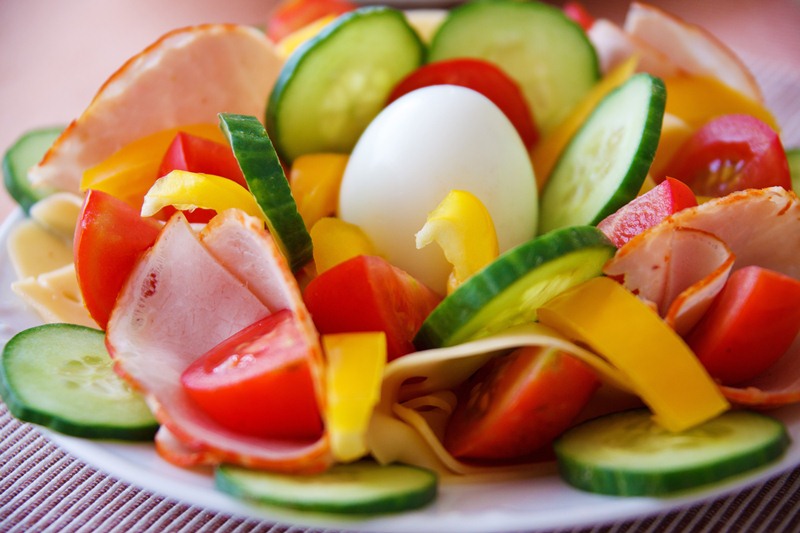
This article explores the evidence-based dietary strategies that may support individuals with autoimmune conditions. It is crucial to understand that diet is not a cure but a complementary approach to support the body’s systems and potentially reduce inflammatory triggers.
The Gut-Immune System Connection: Why Diet Matters
Modern medicine is increasingly recognizing the profound link between gut health and the immune system. In fact, approximately 70-80% of your immune cells reside in the gut. The concept of increased intestinal permeability, sometimes called “leaky gut,” is central to this connection. When the gut lining becomes compromised, undigested food particles, toxins, and microbes can pass into the bloodstream, potentially triggering an immune response.
According to a review published in the journal Frontiers in Immunology, this breach in the gut barrier can contribute to systemic inflammation, a key driver of autoimmune diseases. Therefore, a primary goal of dietary intervention is to heal and support the gut lining, thereby helping to modulate the immune system’s activity.
Key Principles of an Anti-Inflammatory Diet
An anti-inflammatory diet focuses on removing potential triggers and incorporating nutrient-dense, whole foods that help calm inflammation. While individual needs vary, several core principles are widely recognized.
1. Identifying and Eliminating Trigger Foods
Certain foods are known to promote inflammation or trigger immune reactions in susceptible individuals. A temporary elimination diet, conducted under medical supervision, is often the most effective way to identify personal triggers.
- Gluten: For individuals with celiac disease or non-celiac gluten sensitivity, gluten can trigger the release of zonulin, a protein that increases intestinal permeability. Research suggests a link between gluten sensitivity and various autoimmune conditions.
- Dairy: Casein, a protein in dairy, can be a common trigger for some people, potentially causing inflammatory responses.
- Refined Sugar and Processed Foods: High sugar intake is strongly linked to chronic inflammation. Processed foods often contain additives, unhealthy fats, and refined carbohydrates that can disrupt gut health and promote inflammation.
2. Incorporating Anti-Inflammatory and Nutrient-Dense Foods
Conversely, enriching your diet with foods that fight inflammation can provide the body with the tools it needs to heal.
- Omega-3 Fatty Acids: Found in fatty fish (salmon, mackerel), flaxseeds, and walnuts, these fats are potent anti-inflammatory agents.
- Colorful Fruits and Vegetables: Berries, leafy greens, and cruciferous vegetables are rich in antioxidants and polyphenols that combat oxidative stress.
- Fermented Foods: Probiotic-rich foods like sauerkraut, kimchi, and kefir (if dairy is tolerated) support a healthy gut microbiome, which is essential for a balanced immune response.
- Herbs and Spices: Turmeric, ginger, and rosemary have well-documented anti-inflammatory properties.
Phytotherapy Spotlight: Turmeric and Boswellia
Beyond general dietary changes, certain botanicals have been traditionally used and scientifically studied for their powerful anti-inflammatory effects.
Turmeric (Curcuma longa)
Curcumin, the primary active compound in turmeric, is a potent anti-inflammatory that works by inhibiting key inflammatory pathways, such as NF-κB. A 2021 meta-analysis in the Journal of Medicinal Food concluded that curcumin supplementation significantly reduced inflammatory markers and improved clinical symptoms in patients with autoimmune diseases like rheumatoid arthritis and lupus.
Boswellia (Boswellia serrata)
Also known as Indian frankincense, Boswellia contains boswellic acids, which have been shown to inhibit the pro-inflammatory enzyme 5-lipoxygenase (5-LOX). This mechanism is distinct from many other anti-inflammatory agents, making it a valuable alternative. It is traditionally used in Ayurvedic medicine to manage joint pain and inflammation associated with conditions like osteoarthritis and rheumatoid arthritis.
| Botanical | Primary Mechanism | Potential Use in Autoimmunity |
|---|---|---|
| Turmeric (Curcumin) | Inhibits NF-κB and COX-2 pathways | May help reduce joint pain and systemic inflammation |
| Boswellia serrata | Inhibits the 5-LOX inflammatory pathway | Supports joint health and may modulate immune response |
Administration Protocol and Safety Limits
When considering dietary changes or herbal supplements, it is essential to follow safety protocols.
- Dietary Changes: Major dietary shifts like an elimination diet should be undertaken for a specific period (e.g., 4-6 weeks) followed by a structured reintroduction phase to identify triggers. This process should ideally be guided by a nutritionist or functional medicine practitioner.
- Turmeric (Curcumin) Supplements: Standardized extracts are often used for therapeutic effects. A typical dose is 500-1,000 mg of curcuminoids per day, often combined with piperine (from black pepper) to enhance absorption. Do not exceed recommended dosages on product labels.
- Boswellia Supplements: Look for extracts standardized to contain 30-65% boswellic acids. A common dosage is 300-500 mg, two to three times daily. Continuous use should be monitored by a healthcare provider.
Specific Biological Limitation
The success of dietary interventions is highly individual because of genetic predispositions and unique gut microbiomes. For instance, a person with a genetic susceptibility to celiac disease will have a severe inflammatory reaction to gluten that another person will not. Similarly, foods high in histamines (like aged cheeses or fermented foods) can be beneficial for some but may trigger symptoms in individuals with histamine intolerance. This highlights the importance of a personalized approach rather than a one-size-fits-all diet.
Contraindications and Precautions
While a whole-foods diet is generally safe, certain considerations are vital.
- Drastic Dietary Changes: Rapidly changing your diet can cause temporary digestive upset. Individuals with a history of eating disorders should only make dietary changes under strict medical supervision.
- Vulnerable Populations: Pregnant or breastfeeding women and children should not undertake restrictive elimination diets without consulting a physician.
- Turmeric: High doses may have blood-thinning effects. It should be used with caution by individuals on anticoagulant medications (e.g., warfarin) and discontinued before surgery. It may also cause stomach upset in some people.
- Boswellia: It is generally well-tolerated but may cause mild gastrointestinal side effects. It should be avoided during pregnancy due to a lack of safety data.
Therapeutic Alternatives
If a specific dietary approach or herb is not suitable, other evidence-based options exist.
- Mediterranean Diet: This diet is less restrictive than an elimination protocol and is rich in anti-inflammatory foods like olive oil, fish, vegetables, and whole grains. Numerous studies support its benefits for reducing inflammation and chronic disease risk.
- Autoimmune Protocol (AIP) Diet: This is a stricter, temporary elimination diet that removes grains, legumes, dairy, eggs, nuts, seeds, nightshades, and processed foods. It is designed to identify food sensitivities and is best done with professional guidance.
- Ginger (Zingiber officinale): A botanical alternative with potent anti-inflammatory and antioxidant properties. It can be consumed as a tea, in food, or as a supplement to help manage nausea and inflammation.
Recent Medical Research (2020-2026)
Current research continues to reinforce the diet-autoimmunity link. A 2023 study published in Nature Reviews Rheumatology emphasized the role of the gut microbiome in the development of rheumatoid arthritis and suggested that dietary interventions aimed at modulating gut bacteria could be a promising therapeutic strategy. Furthermore, a 2024 meta-analysis is exploring the specific impact of the AIP diet on inflammatory bowel disease (IBD), with preliminary findings suggesting improvements in clinical symptoms and inflammatory markers.
However, research is ongoing. The precise mechanisms and the ideal dietary composition for each specific autoimmune condition are still being investigated, highlighting the need for more large-scale clinical trials.
Specialist’s Summary
Adopting an anti-inflammatory diet is a promising complementary strategy for managing symptoms of autoimmune disease by addressing underlying inflammation, particularly in the gut. This approach is useful for motivated individuals, with potential benefits appearing after several weeks of consistent effort. However, it is contraindicated as a sole therapy and requires caution in vulnerable populations or those on medications like blood thinners. Validated alternatives include the less restrictive Mediterranean diet and specific botanicals like Ginger.
Frequently Asked Questions
1. Can diet cure an autoimmune disease?
No, there is currently no cure for autoimmune diseases. Dietary changes are considered a supportive or complementary approach to help manage symptoms, reduce inflammation, and improve quality of life. They are not a replacement for conventional medical treatment.
2. How long does it take to see results from an anti-inflammatory diet?
Results are highly individual. Some people may notice improvements in energy levels and a reduction in minor symptoms within a few weeks. However, for more significant changes in inflammatory markers or disease activity, it may take three to six months of consistent adherence.
3. Do I have to give up my favorite foods forever?
Not necessarily. An elimination diet is a temporary diagnostic tool. After the reintroduction phase, many people find they can tolerate certain foods in moderation. The goal is to create a sustainable, long-term eating plan that minimizes your specific triggers while maximizing nutrient intake.
4. Is an anti-inflammatory diet safe for everyone?
A diet based on whole, unprocessed foods is generally safe for most people. However, restrictive elimination diets should not be undertaken without professional guidance, especially for children, pregnant or breastfeeding women, the elderly, or individuals with a history of disordered eating. Always consult a healthcare provider before making significant dietary changes.
Sources and References
- Paray, B. A., et al. (2021). Curcumin and its role in chronic diseases: A comprehensive review. Journal of Medicinal Food.
- Mushtaq, N., et al. (2023). The role of the gut microbiome in the pathogenesis of rheumatoid arthritis. Nature Reviews Rheumatology.
- Muñoz-Bulla, A., et al. (2022). The Gut-Immune Axis in Autoimmune Diseases: A Focus on Intestinal Permeability. Frontiers in Immunology.
- European Medicines Agency (EMA). Community herbal monograph on Curcuma longa L., rhizoma.
- World Health Organization (WHO). WHO monographs on selected medicinal plants.
⚠️ Important Medical Information
This article is for educational and informational purposes only and is not intended as medical advice, diagnosis, or treatment. The information provided about dietary strategies and herbal supplements is based on traditional use, preliminary research, and available scientific evidence, which may be limited.
Before making significant dietary changes or using supplements:
- Consult a qualified healthcare provider, especially if you are pregnant, breastfeeding, taking medications, or have existing health conditions.
- Do not use as a substitute for prescribed medications or professional medical treatment for your autoimmune condition.
- Individual results may vary – what works for one person may not work for another.
- Monitor for adverse reactions and discontinue use if negative symptoms occur.




Gina Tuttle haven’t read this but thought of you ❤️
No doubt you’re the leaders in your niche. Excellent post