Lowering Appendicitis Risk: The Role of a High-Fiber Diet
This article is for educational purposes and does not constitute medical advice. Appendicitis is a medical emergency that requires immediate professional care.
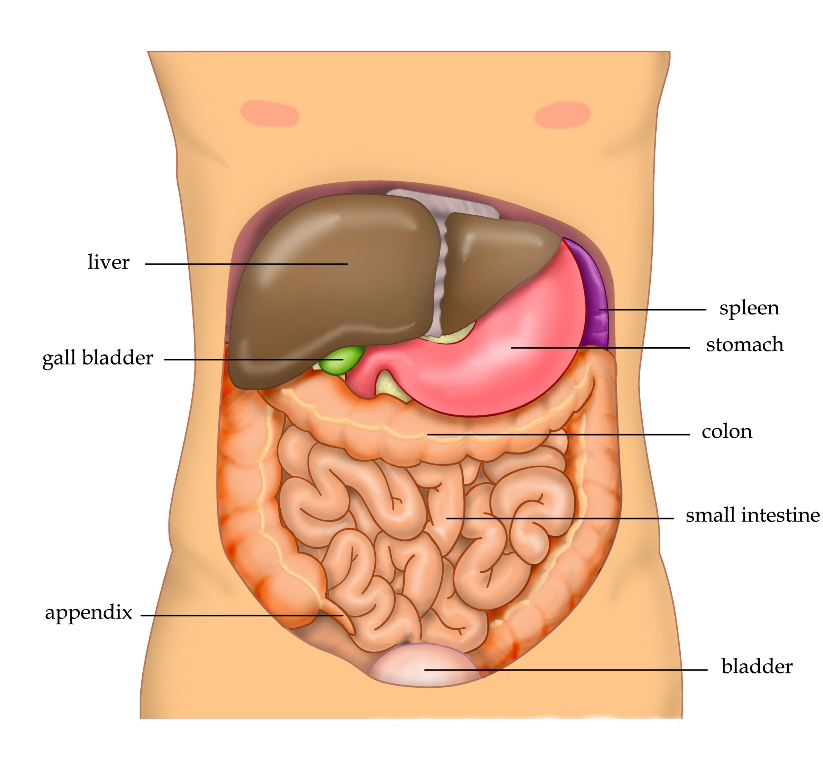
The appendix is a small, finger-shaped organ, approximately 3.5 inches long, located where the small and large intestines meet in the lower-right abdomen. When this organ becomes blocked, inflamed, and infected, the condition is known as appendicitis. Importantly, this is a medical emergency that typically requires prompt surgical removal of the appendix (appendectomy). If not treated immediately, a swollen appendix can rupture, releasing infectious material into the abdominal cavity, which can lead to a life-threatening condition called peritonitis.
While there is no guaranteed method to prevent appendicitis, a significant body of evidence suggests that certain dietary patterns can play a crucial role in reducing the risk. Therefore, understanding the connection between diet, gut health, and appendicitis is a key component of proactive wellness.
Recognizing the Symptoms of Appendicitis: A Medical Emergency
The onset of appendicitis is often marked by a distinct set of symptoms. If you or someone you know experiences the following, it is critical to seek immediate medical attention at the nearest emergency department. Do not attempt to treat these symptoms at home.
The primary symptom is typically a dull pain that begins around the navel and, over several hours, intensifies and migrates to the lower-right side of the abdomen. Other common symptoms include:
- Sharp, localized pain in the lower-right abdomen
- Low-grade fever that may worsen as the illness progresses
- Nausea and/or vomiting
- Loss of appetite
- A swollen or bloated abdomen
- Inability to pass gas
- Changes in bowel habits, such as constipation or diarrhea
- Painful urination (dysuria)
- Abdominal cramping
The Scientific Link Between Diet and Appendicitis Risk
The most widely accepted cause of appendicitis is the obstruction of the appendiceal lumen (the inside of the appendix). Often, this blockage is caused by a fecalith—a small, hardened mass of stool. Consequently, a diet low in dietary fiber is considered a primary risk factor. Low-fiber diets can lead to constipation and harder stools, increasing the likelihood of a fecalith forming and causing a blockage.
Furthermore, epidemiological observations consistently show that populations consuming traditional, high-fiber diets have a significantly lower incidence of appendicitis compared to those on a Western-style, low-fiber diet. Research published in journals like the International Journal of Surgery has reinforced this association, suggesting that adequate fiber intake is fundamental for maintaining gut motility and preventing the conditions that can lead to appendiceal obstruction.
Key Dietary Strategies to Support Gut Health
Adopting a diet rich in specific plant-based foods can support the digestive system and may help lower the risk of developing appendicitis. The focus is on ensuring adequate fiber intake and managing inflammation.
1. Prioritize High-Fiber Plant Foods
Dietary fiber is essential for promoting regular bowel movements and soft, bulky stools, which move easily through the colon. This action directly reduces the risk of fecalith formation. For optimal gut health, it is beneficial to include both types of fiber:
- Soluble Fiber: This type dissolves in water to form a gel-like substance, which helps soften stool. Excellent sources include oats, barley, apples, citrus fruits, psyllium husks, and carrots.
- Insoluble Fiber: This type does not dissolve in water and adds bulk to the stool, helping it pass more quickly through the intestines. You can find it in whole grains (brown rice, quinoa), nuts, beans, and cruciferous vegetables like broccoli, cauliflower, and kale.
2. Incorporate Anti-Inflammatory Foods
Chronic, low-grade inflammation can compromise gut health. Including foods with natural anti-inflammatory properties can support a healthy intestinal environment. According to research, compounds in certain plants can help modulate inflammatory pathways.
- Turmeric (Curcuma longa): Its active compound, curcumin, is a well-studied anti-inflammatory agent.
- Ginger (Zingiber officinale): Traditionally used for digestive health, ginger contains gingerols and shogaols, which exhibit anti-inflammatory effects.
- Green Tea (Camellia sinensis): Rich in polyphenols, particularly epigallocatechin gallate (EGCG), which has demonstrated antioxidant and anti-inflammatory activity.
- Omega-3 Fatty Acids: Found in plant sources like flaxseeds, chia seeds, and walnuts, these fats are crucial for controlling inflammation.
Dietary Integration Protocol and Safety Limits
Making significant dietary changes requires a careful and measured approach to avoid digestive discomfort.
| Protocol | Safety Recommendation |
| Gradual Fiber Increase | Increase fiber intake by no more than 5 grams per day each week to allow your digestive system to adapt. A sudden increase can cause gas, bloating, and cramping. Aim for the recommended daily intake of 25g for women and 38g for men. |
| Essential Hydration | Fiber absorbs water. To prevent constipation and ensure fiber works effectively, drink at least 8-10 glasses (approx. 2 liters) of water daily. Inadequate fluid intake with high fiber can worsen constipation. |
| Mindful Consumption | Chew food thoroughly to begin the digestive process and reduce the burden on your intestines. Listen to your body’s signals and adjust your intake of certain foods if they cause discomfort. |
Specific Biological Limitation
For individuals with pre-existing digestive conditions, a high-fiber diet must be approached with caution. Conditions like Inflammatory Bowel Disease (IBD), such as Crohn’s disease or ulcerative colitis, and certain forms of Irritable Bowel Syndrome (IBS) can be exacerbated by a rapid increase in fiber, particularly insoluble fiber.
Technical Warning: During a flare-up of IBD or diverticulitis, a low-fiber or low-residue diet is often medically recommended. For those with IBS, certain high-fiber foods (high in FODMAPs) can trigger symptoms. Therefore, any significant dietary changes for these populations must be made under the guidance of a gastroenterologist or a registered dietitian.
Therapeutic Alternatives for Gut Health
If a high-fiber diet is not well-tolerated or if you wish to further support your digestive system, consider these complementary strategies:
- Probiotics: These are beneficial bacteria that support a healthy gut microbiome. A balanced microbiome is linked to reduced inflammation and improved gut motility. Sources include fermented foods like yogurt with live cultures, kefir, sauerkraut, and kimchi.
- Prebiotics: These are types of fiber that feed the beneficial bacteria in your gut. Including prebiotic-rich foods like garlic, onions, leeks, asparagus, and bananas can help your healthy gut flora thrive.
- Magnesium-Rich Foods: Magnesium plays a role in muscle function, including the smooth muscles of the colon. It helps draw water into the intestines, softening stool. Good sources include leafy greens, nuts, seeds, and legumes.
Recent Medical Research (2020-2026)
Modern research continues to validate the importance of diet in appendicitis risk. A 2023 meta-analysis published in Medicine (Baltimore) systematically reviewed multiple studies and concluded that higher dietary fiber intake is significantly associated with a lower risk of appendicitis. Furthermore, emerging research is exploring the role of the gut microbiome, suggesting that a diverse and healthy microbial community, fostered by a fiber-rich diet, may offer protective effects against the inflammatory processes that contribute to appendicitis.
Specialist’s Summary
A diet rich in fiber from fruits, vegetables, and whole grains is strongly associated with a reduced risk of appendicitis, primarily by promoting digestive regularity and preventing the formation of fecaliths. This dietary approach is a supportive strategy, not a guaranteed prevention method. For safe implementation, fiber should be increased gradually with a corresponding increase in water intake. Individuals with chronic digestive disorders must consult a healthcare provider before making substantial changes. Complementary strategies like consuming probiotics and prebiotics can further enhance overall gut health.
Frequently Asked Questions
1. Can eating certain seeds, like tomato or guava seeds, cause appendicitis?
This is a common myth. While theoretically possible for an undigested plant material to cause a blockage, large-scale studies have found no credible evidence to support this claim. The benefits of eating fiber-rich fruits and vegetables far outweigh any minuscule, unproven risk.
2. Can diet alone prevent appendicitis?
No. While a high-fiber diet can significantly lower your risk, it cannot guarantee prevention. Other factors, including genetics and anatomical variations, may play a role. The most important action is to recognize the symptoms and seek immediate medical care if they appear.
3. How quickly can I see benefits from a high-fiber diet?
Improvements in bowel regularity can often be noticed within a few days to a week of consistently increasing fiber and fluid intake. The long-term risk reduction for conditions like appendicitis is a cumulative benefit of maintaining a healthy lifestyle over time.
Sources and References
Recent Studies (2020-2026):
- Lu, Y., et al. (2023). Association between dietary fiber intake and the risk of appendicitis: A meta-analysis of observational studies. Medicine (Baltimore), 102(16), e33579. https://www.ncbi.nlm.nih.gov/pmc/articles/PMC10122758/
- Aoun, J., et al. (2022). The Role of Diet in the Pathogenesis of Acute Appendicitis: A Narrative Review. Cureus, 14(10), e30843. https://www.ncbi.nlm.nih.gov/pmc/articles/PMC9700388/
Authoritative Monographs:
- World Health Organization (WHO) – Healthy Diet Fact Sheet.
- National Institutes of Health (NIH) – Office of Dietary Supplements – Fiber Fact Sheet for Health Professionals.
⚠️ Important Medical Information
This article is for educational and informational purposes only and is not intended as medical advice, diagnosis, or treatment. The information provided about dietary strategies for appendicitis risk reduction is based on epidemiological data and current scientific understanding.
Before making significant dietary changes:
- Consult a qualified healthcare provider or registered dietitian, especially if you have existing health conditions like IBD, IBS, or are recovering from surgery.
- Do not use this information to self-diagnose or treat symptoms of appendicitis. Abdominal pain requires immediate medical evaluation.
- Individual results may vary – dietary needs are unique to each person.
- Monitor for adverse reactions like severe bloating or pain when changing your diet and consult a professional if they occur.
Regulatory status: The dietary advice herein is based on general nutritional principles and is not intended to treat, cure, or prevent any disease. Appendicitis is a medical condition that can only be diagnosed and treated by a qualified physician.




Wonderful stuff, just great