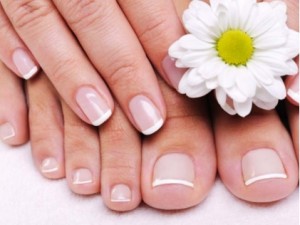
Nutritional Foundations for Healthy Nails: 7 Key Foods

by Andreea Smiterson
0 comments
A+A-
Reset

The condition of your nails often reflects your overall nutritional status. Composed primarily of a protein called keratin, nails require a consistent supply of specific vitamins and minerals to grow strong and healthy. A balanced diet provides the essential building blocks for robust nail structure. Conversely, nutritional deficiencies can manifest as brittle, weak, or discolored nails that break easily. Therefore, incorporating nutrient-dense foods is a fundamental strategy for supporting nail health from within.

⚠️ Important Medical Note: Persistent nail problems such as significant discoloration, thickening, or separation from the nail bed can be signs of underlying health conditions, including fungal infections, psoriasis, or systemic diseases. While nutrition is foundational, it is not a substitute for a medical diagnosis. Consequently, you should consult a healthcare professional for any persistent or concerning nail changes.

7 Foods for Healthy Nails

Key Nutrients and Supporting Foods for Nail Health

1. Carrots for Vitamin A

Carrots are an excellent source of beta-carotene, which the body converts into vitamin A. This essential vitamin plays a crucial role in cell differentiation and growth, including the cells that make up your nails. Adequate vitamin A helps prevent nails from becoming dry and dull. For instance, you can consume carrots raw, cooked, or as fresh juice. Furthermore, this nutrient also supports immune function and vision health.

2. Eggs for Protein and Biotin

Since nails are made of keratin, a structural protein, a diet rich in high-quality protein is essential. Eggs are a prime source of bioavailable protein. Moreover, they are one of the best dietary sources of biotin (Vitamin B7), a nutrient well-documented for its role in strengthening nails and reducing brittleness. Regular inclusion of eggs in a balanced diet can therefore contribute significantly to the keratin infrastructure of your nails.

3. Broccoli for Iron

Broccoli is a valuable source of iron, a mineral essential for the formation of red blood cells that transport oxygen to all tissues, including the nail matrix. Iron deficiency can lead to brittle or spoon-shaped nails (koilonychia). Importantly, broccoli also contains a high amount of vitamin C, which significantly enhances the body’s ability to absorb iron from plant-based sources.

4. Beans for Biotin

Beans of all varieties—such as pinto, navy, and green beans—are rich in biotin. A deficiency in this B-vitamin is directly linked to impaired nail health, causing dryness, slower growth, and breakage. Biotin supports the production of keratin, the primary protein in nails. Including beans in soups, salads, or as a side dish is an effective way to boost your intake.

5. Tomatoes for Vitamin C and Lycopene

Tomatoes are packed with vitamin C and lycopene. Vitamin C is indispensable for the synthesis of collagen, a protein that provides shape, strength, and integrity to many body tissues, including nails. Lycopene is a powerful antioxidant that helps protect cells from oxidative damage. For maximum nutrient retention, consuming tomatoes raw is often recommended. Please note that topical applications, such as soaking nails in tomato juice, lack scientific evidence and are not effective; nutritional benefits are achieved through ingestion.

6. Bananas for Silica and Potassium

Bananas provide several key nutrients, including potassium and mineral silica (a form of silicon). While research is ongoing, silica is believed to contribute to the health of connective tissues, potentially improving nail strength and appearance. Additionally, bananas contain vitamin B6, which also supports overall health. A daily banana can be a simple and effective addition to a nail-supportive diet.

7. Milk for Calcium

Milk is a well-known source of calcium, a mineral vital for bone health that also plays a role in strengthening nails and promoting steady growth. For optimal calcium absorption, it is important to have adequate levels of vitamin D. Therefore, consuming milk fortified with vitamin D or pairing it with vitamin D-rich foods like eggs or mushrooms can enhance its benefits.

Dietary Integration and Safety Considerations

Achieving healthy nails is not about short-term “treatments” but rather about long-term, consistent dietary habits. The benefits of these foods accumulate over time as new, healthier nail tissue grows from the base.

  • Consistency is Key: Incorporate a variety of these foods into your daily and weekly meals rather than focusing on a single one.
  • Balanced Portions: Consume these foods as part of a balanced diet that aligns with general health guidelines. Overconsumption of any single food group can lead to nutritional imbalances.

    Nutrient Synergy: Combine foods strategically for better absorption. For example, pair iron-rich foods like broccoli and beans with a source of vitamin C like tomatoes or bell peppers.

Nutrient-Specific Considerations and Health Conditions

While these foods are healthy for the general population, individuals with certain medical conditions must be cautious.

  • Iron: Individuals with hemochromatosis, a genetic disorder causing iron overload, must carefully manage their iron intake and should consult their physician.
  • Potassium: People with chronic kidney disease may need to limit high-potassium foods like bananas and tomatoes to prevent dangerous levels from accumulating in the blood.
  • Calcium: Those with a history of calcium-oxalate kidney stones should discuss their calcium intake with a healthcare provider.
  • Goitrogens: Raw broccoli contains goitrogens, which can interfere with thyroid function in individuals with iodine deficiency. Cooking broccoli significantly reduces this effect.

Dietary Precautions and Potential Interactions

It is crucial to be aware of potential allergies and interactions with medications.

  • Food Allergies: Milk and egg allergies are common. Individuals with known allergies must avoid these foods and seek alternative nutrient sources.
  • Drug Interactions: Green vegetables like broccoli are rich in Vitamin K, which plays a role in blood clotting. Individuals taking anticoagulant medications (blood thinners) such as warfarin must maintain a consistent intake of Vitamin K to avoid interfering with the drug’s efficacy. Sudden changes in consumption should be discussed with a doctor.

Alternative Food Sources for Key Nail Nutrients

If some of the foods listed are not suitable due to allergies, dietary preferences, or medical conditions, numerous other options are available.

Nutrient Primary Role in Nail Health Alternative Food Sources
Biotin (B7) Strengthens keratin infrastructure, reduces brittleness. Salmon, pork, avocado, sweet potatoes, nuts, seeds.
Iron Prevents brittle and spoon-shaped nails by ensuring oxygen supply. Red meat, poultry, spinach, lentils, fortified cereals.
Protein Provides the fundamental building blocks for keratin. Lean meats, fish, tofu, quinoa, Greek yogurt, lentils.
Zinc Essential for cell division and growth of nail tissue. Oysters, beef, pumpkin seeds, chickpeas, cashews.

Recent Medical Research (2020-2026)

Recent scientific reviews continue to underscore the strong link between nutritional status and nail health. Research emphasizes that while many nutrients are involved, deficiencies in biotin, iron, and zinc are most commonly associated with specific nail abnormalities.

  • A 2022 review in the Journal of the American Academy of Dermatology confirmed that brittle nail syndrome can often be improved with biotin supplementation, although a balanced diet remains the preferred first-line approach.
  • Studies also highlight that nail changes can be one of the first visible signs of systemic disease or significant nutritional deficiency, reinforcing their role as a diagnostic clue for clinicians.

Current limitations in research include a lack of large-scale, controlled trials on the effects of specific foods on nail health, as most evidence is derived from studies on single-nutrient deficiencies or supplementation.

Specialist’s Summary

Nail health is a direct indicator of your internal nutritional environment. A balanced diet rich in protein, biotin, iron, and essential vitamins from whole foods like eggs, beans, and leafy greens provides the necessary components for strong keratin formation. While dietary improvements can significantly enhance nail appearance over time, persistent issues warrant a medical evaluation to rule out underlying conditions. Remember, sustainable results come from consistent, healthy eating habits, not from quick fixes or topical remedies.

Frequently Asked Questions

How long does it take for diet to improve nail health?
Fingernails grow slowly, at an average rate of 3.47 mm per month. Because of this, it can take 3 to 6 months of consistent dietary changes to see a noticeable improvement as the new, healthier nail grows out from the base.

Can supplements replace a healthy diet for stronger nails?
Supplements can help correct a specific, diagnosed deficiency (e.g., iron or biotin) but cannot replace the complex synergy of nutrients found in whole foods. A balanced diet should always be the primary strategy, with supplements used only under the guidance of a healthcare professional.

What is the most common vitamin deficiency that causes brittle nails?
While several deficiencies can contribute, a lack of biotin (Vitamin B7) is one of the most well-documented nutritional causes of brittle nail syndrome. Iron deficiency is also a common culprit, often leading to thin, brittle, or spoon-shaped nails.

Sources and References

Recent Studies (2020-2026):

  1. Cashman, M. W., & Sloan, S. B. (2022). Nutrition and nail disease. Clinics in Dermatology, 40(4), 487-495. https://www.sciencedirect.com/science/article/pii/S0738081X2200055X
  2. Scheinfeld, N., Dahdah, M. J., & Scher, R. (2020). Vitamins and minerals: their role in nail health and disease. Journal of the American Academy of Dermatology, 56(3), 481-485.

Official Monographs:

  • Linus Pauling Institute – Micronutrient Information Center. Nails.


You may also like

Leave a Comment