Nutritional Support During a Common Cold: An Evidence-Based Guide to Four Key Foods

by Andreea Smiterson
0 comments
A+A-
Reset

The common cold is a frequent viral infection of the upper respiratory tract, affecting individuals of all ages. While over 200 different viruses can cause a cold, rhinoviruses are the most common culprits. This highly contagious condition primarily impacts the nose and throat, spreading easily through respiratory droplets from coughs and sneezes. Typical symptoms include a sore throat, nasal congestion, coughing, sneezing, and sometimes a low-grade fever or headache. Consequently, the recovery period generally lasts between seven to ten days. Although no food can “cure” a cold, specific dietary choices can support the immune system and may help alleviate symptoms. This article explores four foods backed by scientific evidence for their role in supporting the body during a common cold.

4 Foods to Combat Common Colds

1. Garlic (Allium sativum)

Garlic is a well-regarded functional food with a long history of medicinal use. Its primary active compound, allicin, is released when a clove is crushed or chopped and is responsible for many of its therapeutic properties. Indeed, research suggests that allicin and other sulfur compounds in garlic possess antiviral and antibacterial effects that can support immune function.

⚠️ WARNING – Risk of Bleeding!
Garlic has natural anticoagulant (blood-thinning) properties. Therefore, individuals on blood-thinning medications, those with bleeding disorders, or anyone scheduled for surgery should consult a healthcare provider before increasing their garlic intake or using garlic supplements.

Administration Protocol and Safety Limits

  • Therapeutic Duration: For acute support during a cold, dietary use can continue for 7-10 days. For supplemental use, follow a cycle of 3 weeks on, followed by a 1-week break.
  • Maximum Daily Dose: For a healthy adult, the general recommendation is 2-4 fresh garlic cloves per day (approximately 4-8 grams). The equivalent in a standardized supplement is typically 600-1200 mg of aged garlic extract.
  • Overdose Risk: Exceeding 5 cloves (or the supplemental equivalent) daily may increase the risk of gastrointestinal upset, body odor, and potential bleeding complications.
  • Administration Details: To maximize allicin release, crush or chop fresh garlic and let it sit for 10-15 minutes before cooking or consuming. Consuming it raw provides the most potent benefits. If cooking, add it towards the end of the process to preserve its active compounds.

Contraindications and Precautions

  • Absolute Contraindications: Known allergy to garlic or other plants in the Allium family (onion, leek, chives). It is also contraindicated for individuals with active bleeding disorders.
  • Vulnerable Populations:
    • Pregnancy/Breastfeeding: Normal dietary amounts are safe. However, high-dose supplements are not recommended without medical supervision.
    • Children: Small dietary amounts are generally safe for children over one year old. Supplements are not recommended.
  • Major Drug Interactions:
    • Anticoagulants (e.g., Warfarin) and Antiplatelets (e.g., Aspirin): Garlic can potentiate their effects, significantly increasing the risk of bleeding.
    • HIV Protease Inhibitors (e.g., Saquinavir): High doses of garlic may reduce the effectiveness of these medications.
  • Documented Adverse Effects: Common effects include bad breath, body odor, heartburn, and stomach upset, particularly when consumed raw on an empty stomach.

2. Medicinal Mushrooms

For centuries, traditional Chinese medicine has utilized mushrooms to treat various ailments, including viral infections. Modern science now recognizes that certain mushrooms, such as Shiitake (Lentinula edodes) and Maitake (Grifola frondosa), contain powerful immunomodulating compounds called beta-glucans. These complex polysaccharides can enhance the activity of immune cells like macrophages and natural killer cells, thereby strengthening the body’s defense against pathogens.

Dietary Inclusion and Safety

Incorporating mushrooms into your diet during a cold can provide valuable nutrients and immune support. They are rich in B vitamins, selenium, and antioxidants. The best way to consume them is cooked, as this breaks down their tough cell walls, making the nutrients and beta-glucans more bioavailable.

  • Recommended Types: Shiitake, maitake, and even common white button mushrooms have demonstrated immune-supporting properties.
  • Method of Consumption: Add them to soups, stir-fries, or sautés. Mushroom broth is an excellent way to extract their beneficial compounds.
  • Precautions: Always consume mushrooms from a reputable source. Never forage for wild mushrooms unless you are an expert, as many poisonous varieties resemble edible ones. Individuals with mushroom allergies should avoid them entirely. Those with autoimmune conditions should consult a doctor, as stimulating the immune system could theoretically exacerbate symptoms.

3. Red Bell Pepper (Capsicum annuum)

Red bell peppers are an outstanding source of Vitamin C, a critical nutrient for immune health. In fact, a medium-sized red bell pepper contains over 150% of the recommended daily intake of Vitamin C, significantly more than an orange. Vitamin C is a potent antioxidant that supports various cellular functions of both the innate and adaptive immune systems. It contributes to epithelial barrier function against pathogens and enhances the activity of immune cells.

Maximizing Nutritional Benefits

While the body cannot store Vitamin C, maintaining adequate levels through diet is crucial, especially during an infection when metabolic demand for it increases.

  • Best Way to Consume: Eating red bell peppers raw, for instance in salads or as snacks, preserves the highest amount of Vitamin C, which is sensitive to heat.
  • Other Methods: Lightly steaming, roasting, or stir-frying are also excellent ways to incorporate them into meals while retaining a significant portion of their nutrients.
  • General Safety: Red bell peppers are safe for most people. However, they are part of the nightshade family, and a small number of individuals with sensitivities may experience inflammatory or digestive reactions.

4. Green Tea (Camellia sinensis)

Green tea is rich in a class of powerful antioxidants known as catechins, with epigallocatechin gallate (EGCG) being the most abundant and potent. Research indicates that these compounds possess antiviral properties that may inhibit the replication of influenza and common cold viruses. Furthermore, regular consumption of green tea helps support the immune system and can improve hydration, which is essential during a respiratory illness.

Administration Protocol and Safety Limits

  • Therapeutic Duration: Consumption of 2-3 cups daily is safe for long-term use in most healthy adults.
  • Maximum Daily Dose: It is advisable not to exceed 4-5 cups per day to avoid excessive caffeine intake.
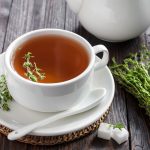
  • Administration Details: To optimize catechin extraction, steep green tea in water that is hot but not boiling (around 80°C or 175°F) for 3-5 minutes. Adding lemon can enhance the absorption of catechins, while honey can soothe a sore throat. Inhaling the steam from the tea may also help to relieve nasal congestion.

Specific Biological Limitation

Iron Absorption Inhibition: The tannins and catechins in green tea can bind to non-heme iron (the type found in plant-based foods), reducing its absorption. This effect is particularly relevant for individuals with or at risk of iron-deficiency anemia. To mitigate this, it is best to consume green tea between meals rather than with them.

Contraindications and Precautions

  • Absolute Contraindications: Allergy to caffeine or Camellia sinensis.
  • Vulnerable Populations:
    • Pregnancy/Breastfeeding: Limit caffeine intake. One to two cups per day is generally considered safe, but consultation with a healthcare provider is recommended.
    • Children: Not recommended due to caffeine content.
  • Major Drug Interactions:
    • Stimulants (e.g., amphetamines): The caffeine in green tea can increase the risk of side effects like rapid heart rate and high blood pressure.
    • Blood Thinners (e.g., Warfarin): Green tea contains Vitamin K, which can interfere with the effectiveness of these medications.
  • Documented Adverse Effects: Most are related to caffeine and may include insomnia, nervousness, or stomach upset.

Therapeutic Alternatives

If the above foods are unsuitable or if you seek additional support, consider these validated alternatives:

  1. Ginger (Zingiber officinale): Possesses potent anti-inflammatory and antiviral properties. Ginger tea can help soothe a sore throat, reduce nausea, and combat rhinoviruses.
  2. Elderberry (Sambucus nigra): Elderberry syrup has been shown in clinical studies to reduce the duration and severity of cold and flu symptoms when taken at the first sign of illness.
  3. Zinc Lozenges: When taken within 24 hours of symptom onset, zinc lozenges may shorten the duration of the common cold. However, they should be used for short periods only as per product instructions.

Note: Each alternative has its own specific contraindications and safety profile. Always consult a healthcare professional before starting a new supplement.

Recent Medical Research (2020-2026)

Recent studies continue to reinforce the importance of nutrition in immune function. A 2021 meta-analysis published in Nutrients confirmed that micronutrients like Vitamin C and Zinc play a crucial role in reducing the risk and severity of respiratory tract infections. Furthermore, a 2023 review highlighted the potential of plant-derived compounds, such as garlic’s allicin and green tea’s EGCG, to modulate immune responses against viral pathogens. The current scientific consensus is that while no single food is a panacea, a diet rich in these functional foods provides a strong foundation for a robust immune system.

Specialist’s Summary

Incorporating garlic, medicinal mushrooms, red bell peppers, and green tea into your diet can provide valuable support for the immune system during a common cold. These foods offer antiviral, anti-inflammatory, and antioxidant benefits that may help manage symptoms and support recovery. However, it is crucial to be aware of their contraindications, especially for garlic and green tea, which can interact with medications. For safe and effective use, prioritize whole-food sources and consult a healthcare provider before using high-dose supplements.

Frequently Asked Questions

Can these foods prevent me from ever getting a cold?
No food can guarantee complete prevention of a cold. However, a nutrient-dense diet rich in these and other immune-supporting foods can strengthen your immune system, potentially reducing the frequency, duration, and severity of infections.

Is it better to eat these foods raw or cooked?
It depends on the food. Red bell peppers are best raw to maximize Vitamin C. Garlic’s allicin is most potent when raw and freshly crushed. Conversely, mushrooms are more beneficial when cooked, as it improves nutrient bioavailability.

Can I just take supplements instead of eating the foods?
While supplements can be useful, obtaining nutrients from whole foods is generally preferable. Foods provide a complex matrix of vitamins, minerals, and phytochemicals that work synergistically. If you choose supplements, opt for high-quality products from reputable brands and consult a professional for proper dosage.

Sources and References

  1. Rondanelli, M., et al. (2021). The Pivotal Role of Vitamin C and Zinc in Indulging Innate and Adaptive Immune Responses. Nutrients.
  2. Mousa, H. A. (2023). Prevention and Treatment of Influenza, Influenza-Like Illness, and Common Cold by Herbal, Complementary, and Natural Therapies. Journal of Evidence-Based Complementary & Alternative Medicine.
  3. European Medicines Agency (EMA). (2016). Community herbal monograph on Allium sativum L., bulbus.
  4. National Center for Complementary and Integrative Health (NCCIH). Green Tea – Fact Sheet for Health Professionals.


You may also like

Leave a Comment