10 Foods That May Help Lower Your Cancer Risk
While no single food can prevent or cure cancer, a growing body of scientific evidence suggests that overall dietary patterns can significantly influence cancer risk. According to authoritative bodies like the American Institute for Cancer Research (AICR), a diet rich in whole plant foods may help create an internal environment that is less conducive to cancer development. Therefore, incorporating specific nutrient-dense foods can be a proactive strategy for supporting your body’s natural defense systems. This article explores ten foods backed by research for their potential role in cancer risk reduction.
Important Note: The information here is for educational purposes. It is not a substitute for conventional cancer prevention strategies or treatments. Always consult a healthcare professional for personalized medical advice.
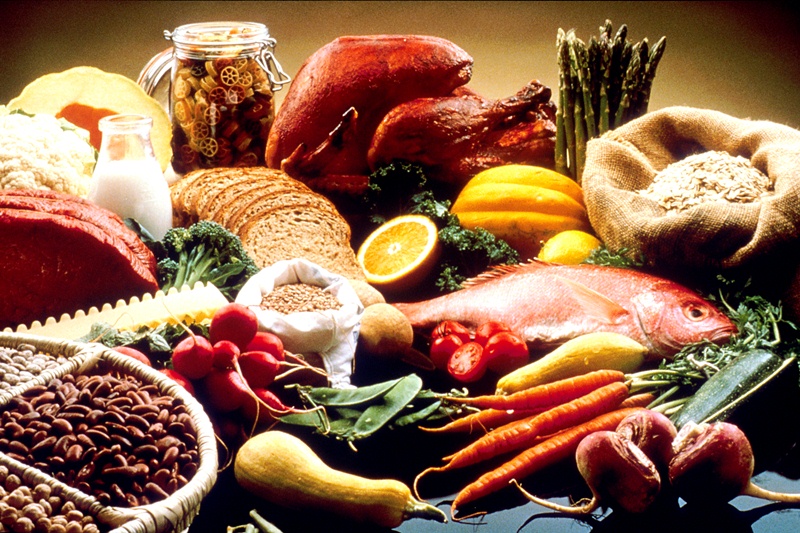
1. Cruciferous Vegetables (Broccoli, Cabbage, Kale)
Cruciferous vegetables are a powerhouse of nutrients studied for their cancer-protective properties. For instance, they contain glucosinolates, which break down into bioactive compounds like sulforaphane and indole-3-carbinol during digestion.
- Mechanism of Action: Research suggests sulforaphane helps protect cells from DNA damage, inactivates carcinogens, and induces apoptosis (programmed cell death) in cancer cells. Furthermore, indole-3-carbinol may influence estrogen metabolism, which is relevant for hormone-related cancers.
- Practical Tip: To maximize sulforaphane content, chop or chew these vegetables thoroughly and consume them raw or lightly steamed.
2. Berries (Blueberries, Raspberries, Strawberries)
Berries are rich in antioxidants, particularly anthocyanins and ellagic acid. These compounds are responsible for their vibrant colors and have been the focus of extensive cancer research.
- Mechanism of Action: Studies indicate that these compounds can neutralize cell-damaging free radicals, reduce inflammation, and inhibit the growth of new blood vessels that tumors need to grow (a process called anti-angiogenesis). A 2022 study published in Antioxidants highlighted the potential of berry polyphenols in modulating cellular pathways related to cancer development.
- Practical Tip: Choose fresh or frozen berries to add to yogurt, oatmeal, or smoothies for a consistent antioxidant boost.
3. Turmeric (Curcumin)
Turmeric, a staple in traditional medicine for centuries, contains the potent compound curcumin. Indeed, modern science has investigated its powerful anti-inflammatory and antioxidant effects.
- Mechanism of Action: Chronic inflammation is a known driver of cancer. Curcumin has been shown to inhibit key inflammatory molecules like NF-kappaB. However, its main challenge is poor bioavailability.
- Safety Protocol: For better absorption, consume turmeric with a source of black pepper (piperine) and a healthy fat. High-dose curcumin supplements should be used with caution, especially by individuals on blood-thinning medication or with gallbladder issues.
4. Allium Vegetables (Garlic, Onions, Leeks)
The characteristic pungent aroma of allium vegetables comes from organosulfur compounds, which are released when they are chopped or crushed. These compounds, including allicin from garlic, have demonstrated significant protective potential.
- Mechanism of Action: Research published in the Journal of Food and Drug Analysis suggests these compounds may enhance DNA repair, slow cancer cell proliferation, and induce cell death.
- Practical Tip: For maximum benefit, let chopped or crushed garlic sit for 10-15 minutes before cooking to allow for the formation of allicin.
5. Green Tea
Green tea is abundant in catechins, with epigallocatechin-3-gallate (EGCG) being the most studied for its health benefits. Traditionally consumed in Asia for millennia, its role in health is well-documented.
- Mechanism of Action: EGCG is a powerful antioxidant that may protect cells from oxidative damage. Moreover, laboratory studies suggest it can inhibit tumor cell invasion and angiogenesis.
- Safety Protocol: While drinking 2-3 cups of green tea daily is generally safe, high-dose green tea extract supplements have been linked to liver issues in rare cases. Consult a healthcare provider before taking extracts.
6. Tomatoes
Tomatoes are the primary dietary source of lycopene, a potent antioxidant that gives them their red color. Cooking tomatoes actually increases the bioavailability of lycopene.
- Mechanism of Action: Lycopene is known to quench free radicals and has been particularly studied for its potential role in reducing the risk of prostate cancer. It may work by interfering with signaling pathways that promote cancer growth.
- Practical Tip: Tomato paste, sauce, and juice are concentrated sources of bioavailable lycopene.
7. Walnuts
Walnuts are unique among nuts for their high content of omega-3 fatty acids (alpha-linolenic acid, ALA). They also contain a complex mix of other beneficial compounds like phytosterols and polyphenols.
- Mechanism of Action: The compounds in walnuts may help reduce inflammation and oxidative stress. Some studies suggest they may also influence gene expression related to cancer cell survival.
- Practical Tip: A small handful of walnuts (about 1 ounce or 28 grams) makes a nutritious snack or addition to salads.
8. Flaxseeds
Flaxseeds are an excellent source of lignans, a type of phytoestrogen, as well as ALA omega-3 fatty acids and fiber. Lignans are converted by gut bacteria into enterolactone and enterodiol.
- Mechanism of Action: These compounds have weak estrogenic and anti-estrogenic effects, which may help reduce the risk of hormone-sensitive cancers like breast cancer. The fiber also supports a healthy gut microbiome, which is crucial for overall health.
- Practical Tip: Consume ground flaxseeds, as whole seeds may pass through the digestive system undigested. Add a tablespoon to smoothies or cereals.
9. Medicinal Mushrooms (Shiitake, Reishi, Maitake)
Used for centuries in traditional Chinese medicine, certain mushrooms are now recognized for their immune-modulating properties. They contain beta-glucans, a type of complex sugar.
- Mechanism of Action: Beta-glucans are thought to enhance immune function by activating key immune cells like macrophages and natural killer cells, which are part of the body’s first line of defense against abnormal cells.
- Safety Protocol: Always consume mushrooms cooked. If using supplements, choose products from reputable brands and consult a practitioner knowledgeable in their use.
10. Leafy Green Vegetables (Spinach, Swiss Chard)
Leafy greens are packed with fiber, folate, and carotenoids like lutein and zeaxanthin. These nutrients work synergistically to support cellular health.
- Mechanism of Action: Folate is essential for proper DNA synthesis and repair, helping to prevent mutations that can lead to cancer. Carotenoids act as antioxidants, protecting cells from damage.
- Practical Tip: Lightly steaming or sautéing leafy greens with a source of healthy fat (like olive oil) can enhance the absorption of fat-soluble carotenoids.
Specific Biological Limitation of Diet
It is crucial to understand that diet is just one piece of the puzzle. Cancer is a complex disease influenced by genetics, environment, lifestyle, and age. While a nutrient-rich diet can help reduce risk and support overall health, it cannot offer a guarantee against developing cancer. Therefore, these dietary strategies should complement, not replace, regular medical screenings and a healthy lifestyle that includes physical activity and avoiding tobacco.
General Precautions and Contraindications
While these foods are safe for most people as part of a balanced diet, high-dose supplements derived from them carry potential risks.
| Supplement | Potential Interactions & Contraindications |
|---|---|
| Turmeric/Curcumin | May interact with blood thinners (e.g., warfarin), antiplatelet drugs, and may worsen gallbladder problems. |
| Green Tea Extract | High doses have been linked to liver toxicity in rare cases. May interact with certain medications due to caffeine content. |
| Flaxseed | May have hormonal effects; individuals with hormone-sensitive conditions should consult a doctor. Can also affect absorption of medications if taken at the same time. |
Therapeutic Alternatives: Focusing on Dietary Patterns
If focusing on individual foods feels overwhelming, adopting a proven dietary pattern can be a more effective and sustainable approach. These patterns naturally incorporate many of the foods listed above.
- The Mediterranean Diet: Emphasizes fruits, vegetables, whole grains, legumes, nuts, seeds, and olive oil. It is rich in anti-inflammatory compounds and has been extensively linked to a lower risk of various chronic diseases, including cancer.
- The DASH Diet (Dietary Approaches to Stop Hypertension): While designed for blood pressure, its focus on plant foods and low intake of processed items makes it another cancer-protective dietary pattern.
- Plant-Based Diets: Diets centered around plants (vegetarian, vegan, or flexitarian) are consistently associated with lower cancer risk due to high fiber, vitamin, and phytochemical intake.
Recent Medical Research (2020-2026)
Recent research continues to reinforce the link between diet and cancer risk, with a strong focus on the gut microbiome. A 2022 review in Nature Reviews Cancer highlighted how dietary components, such as fiber from plant foods, are metabolized by gut bacteria to produce compounds like butyrate, which has demonstrated anti-cancer effects in colon cells. This underscores the importance of a holistic, fiber-rich diet over isolated nutrients. Current research limitations include the difficulty of isolating the effects of a single food from an entire dietary pattern in human studies.
Specialist’s Summary
Incorporating a variety of plant foods like cruciferous vegetables, berries, and alliums into your daily diet is a practical strategy for supporting long-term health and potentially reducing cancer risk. The primary mechanism is through a combination of anti-inflammatory, antioxidant, and immune-supportive effects. However, this approach is about risk reduction, not a cure, and should be part of a comprehensive healthy lifestyle. For targeted effects, focus on whole dietary patterns like the Mediterranean diet rather than relying on individual “superfoods” or supplements.
Frequently Asked Questions
Can I prevent cancer just by eating these foods?
No. While these foods can help lower your risk as part of a healthy lifestyle, no diet can guarantee cancer prevention. Genetics, environment, and other lifestyle factors play significant roles.
Are organic foods better for cancer prevention?
The primary benefit comes from the nutrients within the foods themselves. While organic farming reduces pesticide exposure, the most important factor is increasing your overall intake of fruits and vegetables, whether conventional or organic.
Should I take supplements of these food compounds instead of eating the food?
It is generally recommended to get nutrients from whole foods. Foods contain a complex synergy of vitamins, minerals, and phytochemicals that work together. Supplements may not replicate this effect and can carry risks of toxicity or drug interactions.
Sources and References
- Saeidnia, S., & Abdollahi, M. (2022). The Role of Berry-Derived Polyphenols in the Prevention and Therapy of Cancer. Antioxidants.
- Baylin, A., et al. (2021). The role of the gut microbiome in cancer etiology and treatment. Nature Reviews Cancer.
- American Institute for Cancer Research (AICR). (2024). Diet, Nutrition, Physical Activity and Cancer: A Global Perspective.
⚠️ Important Medical Information
This article is for educational and informational purposes only and is not intended as medical advice, diagnosis, or treatment. The information provided about dietary approaches to cancer risk reduction is based on scientific evidence, which is constantly evolving.
Before making significant dietary changes:
- Consult a qualified healthcare provider or registered dietitian, especially if you are undergoing cancer treatment, are pregnant, breastfeeding, taking medications, or have existing health conditions.
- Do not use this information as a substitute for prescribed medications or professional medical treatment.
- Individual results may vary – dietary needs are unique to each person.
- Monitor for any adverse reactions if you introduce new foods or supplements into your diet.
Regulatory status: The claims made about these foods have not been evaluated by the FDA for treating, curing, or preventing any disease. They are part of a healthy dietary pattern.



