Natural Relief for Psoriasis: A Guide to Safe Herbal Remedies

Discover how herbs like Turmeric and Oregon Grape may help manage symptoms, with clear safety and dosage protocols.

by Ciprian
0 comments
A+A-
Reset

Psoriasis is a chronic, immune-mediated condition characterized by skin lesions, inflammation, and itching. While conventional medical treatments are essential for managing this disease, many individuals seek complementary approaches to support their skin health and overall well-being. Consequently, phytotherapy, the use of plant-based remedies, offers several evidence-informed options that may help manage symptoms when used correctly and safely.

This guide provides an expert overview of specific herbs that have been studied for their potential role in supporting individuals with psoriasis. Importantly, this information is for educational purposes and should not replace consultation with a dermatologist or qualified healthcare provider.

Understanding Psoriasis and the Role of Phytotherapy

Psoriasis is fundamentally a disease of immune dysregulation, causing skin cells to multiply too quickly. This results in the characteristic red, scaly plaques. Therefore, a phytotherapeutic approach aims to complement conventional care by addressing several key areas:

  • Modulating Inflammation: Many herbs contain compounds that can help regulate inflammatory pathways, potentially reducing redness and swelling.
  • Slowing Skin Cell Proliferation: Some botanicals have been shown to slow the excessive growth of keratinocytes, the primary cells of the epidermis.
  • Supporting the Skin Barrier: Soothing and moisturizing herbs can help alleviate itching and dryness, improving the skin’s protective function.
  • Managing Stress Triggers: Adaptogenic herbs can help the body cope with stress, a well-known trigger for psoriasis flare-ups.

It is crucial to understand that herbal remedies are not a cure for psoriasis but may serve as valuable adjuncts to a comprehensive treatment plan prescribed by a healthcare professional.

Evidence-Based Topical Herbs for Psoriasis Management

Topical applications deliver active compounds directly to the affected skin, offering localized relief from itching, scaling, and inflammation.

Oregon Grape (Mahonia aquifolium)

Mechanism of Action: Oregon grape is arguably one of the most researched topical herbs for psoriasis. Its primary alkaloids, such as berberine, have demonstrated anti-inflammatory and anti-proliferative effects. Research published in journals like the American Journal of Therapeutics indicates that these compounds can inhibit keratinocyte growth, addressing a core mechanism of psoriasis.

How to Use: Commercially prepared creams or ointments containing a 10% extract of Mahonia aquifolium are the most reliable way to use this herb. Apply a thin layer to the affected areas 2-3 times daily. Furthermore, clinical observations suggest that consistent use over several weeks is necessary to see potential benefits.

Colloidal Oatmeal (Avena sativa)

Mechanism of Action: Colloidal oatmeal is recognized by regulatory bodies like the FDA as a skin protectant. Its benefits stem from avenanthramides, potent antioxidant and anti-inflammatory compounds that can significantly reduce skin redness and itching. Additionally, it helps form a protective barrier on the skin, locking in moisture and reducing dryness.

How to Use: For widespread relief, add one cup of colloidal oatmeal to a lukewarm bath and soak for 15-20 minutes. For localized patches, you can create a paste with oatmeal and water and apply it as a compress. Many over-the-counter lotions for sensitive skin also feature colloidal oatmeal as a key ingredient.

Key Systemic Herbs for Internal Support

Internal remedies work systemically to address the underlying inflammation and immune dysregulation associated with psoriasis.

Evening Primrose Oil (Oenothera biennis)

Mechanism of Action: Evening primrose oil is a rich source of gamma-linolenic acid (GLA), an omega-6 fatty acid. The body converts GLA into substances that can help modulate inflammation. While research on its effectiveness for psoriasis has yielded mixed results, it is traditionally used to support skin health and hydration from within. Some studies suggest it may be more beneficial for eczema, but its role in reducing general skin inflammation is still explored.

Evening primrose

Evening primrose

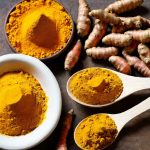
Turmeric (Curcuma longa)

Mechanism of Action: The active compound in turmeric, curcumin, is a powerful anti-inflammatory agent. It works by inhibiting key inflammatory pathways, such as NF-κB, which are overactive in psoriasis. A 2022 systematic review in the Journal of Clinical and Aesthetic Dermatology concluded that curcumin could be a safe and effective complementary therapy for patients with plaque psoriasis.

How to Use: For therapeutic effects, standard turmeric powder is insufficient due to poor bioavailability. Instead, look for standardized curcumin supplements formulated with piperine (black pepper extract) or other absorption enhancers.

Milk Thistle (Silybum marianum)

Mechanism of Action: Traditionally used for liver health, Milk Thistle’s main component, silymarin, also possesses strong anti-inflammatory and antioxidant properties. Given the link between systemic inflammation and psoriasis, silymarin may help by reducing oxidative stress and modulating immune responses. Some preliminary research suggests it can inhibit T-cell proliferation, a key factor in psoriasis pathogenesis.

Administration Protocol and Safety Limits

Proper dosing and duration are critical for both safety and efficacy. Always follow product-specific instructions or consult a phytotherapy specialist.

Herb Typical Daily Dose (Adult) Treatment Duration Important Notes
Evening Primrose Oil 1,000 – 3,000 mg of oil (providing 80-240 mg GLA) Up to 12 weeks, then re-evaluate. Take with food to improve absorption and reduce gastrointestinal upset.
Turmeric (Curcumin) 1,000 – 1,500 mg of standardized curcumin extract Up to 8-12 weeks, followed by a 4-week break. Always choose a high-bioavailability formula. Take after a meal containing fat.
Milk Thistle 200 – 400 mg of silymarin Up to 12 weeks, followed by a 4-week break. Take 30 minutes before meals for optimal liver-protective effects.

Specific Biological Limitations

Understanding why an herb may be unsuitable is key to safe usage.

  • Turmeric (Curcumin): Curcumin has anticoagulant (blood-thinning) properties. While this can be beneficial for cardiovascular health, it becomes dangerous for individuals on anticoagulant medications (e.g., warfarin), those with bleeding disorders, or those scheduled for surgery.
  • Milk Thistle: This herb is metabolized by the liver’s cytochrome P450 enzyme system. Consequently, it can alter the metabolism of various prescription drugs, potentially reducing their efficacy or increasing their toxicity. This is particularly relevant for medications with a narrow therapeutic window.

Contraindications and Precautions

Absolute Contraindications (Do Not Use):

  • Turmeric: Avoid in high doses if you have bile duct obstruction, gallstones, or bleeding disorders. Discontinue use at least two weeks before any surgical procedure.
  • Milk Thistle: Do not use if you have a known allergy to the Asteraceae/Compositae family (e.g., ragweed, daisies, marigolds).
  • Evening Primrose Oil: Avoid if you have a seizure disorder, as it may lower the seizure threshold.

Vulnerable Populations:

  • Pregnancy and Breastfeeding: The safety of these herbs has not been established. Therefore, they are not recommended without explicit approval from a healthcare provider.
  • Children: Dosages must be adjusted by a qualified practitioner. Do not administer adult doses to children.

Major Drug Interactions:

  • Turmeric: Interacts with anticoagulants (warfarin, aspirin), antiplatelet drugs, and some diabetes medications.
  • Milk Thistle: May interact with drugs metabolized by the liver, including some allergy medications, anti-anxiety drugs, and statins.
  • Evening Primrose Oil: May increase the risk of bleeding when taken with anticoagulants. It can also interact with certain psychiatric medications, such as phenothiazines.

Therapeutic Alternatives for Psoriasis

If the herbs mentioned above are not suitable, other options with varying levels of evidence exist:

  1. Indigo Naturalis (Qing Dai): A traditional Chinese medicine remedy available as a topical ointment. Recent studies, including one in JAMA Dermatology, have shown its potential to improve plaque psoriasis with a good safety profile for topical use.
  2. Aloe Vera: A gel containing 0.5% aloe extract, applied topically, may help reduce redness and scaling in mild to moderate psoriasis. Its soothing properties can provide symptomatic relief, though its effect on the disease process is modest.
  3. Capsaicin Cream: Derived from chili peppers, topical capsaicin can help reduce pain and itching by depleting nerve endings of a chemical messenger called substance P. However, it can cause an initial burning sensation and should be used with caution.

Recent Medical Research (2020-2026)

Modern science continues to investigate the potential of phytotherapy for psoriasis. A 2022 meta-analysis confirmed that curcuminoids, when used as an adjunct therapy, significantly improved psoriasis severity scores (PASI) compared to placebo. Similarly, research into topical botanicals is growing, with a focus on identifying specific active compounds and developing standardized, stable formulations for better clinical outcomes. However, large-scale, long-term human trials are still needed to establish definitive treatment guidelines.

Specialist’s Summary

Phytotherapy offers a promising complementary approach for managing psoriasis symptoms. Topical agents like Oregon Grape and Colloidal Oatmeal can provide localized relief, while systemic herbs such as Turmeric and Milk Thistle may help address underlying inflammation. These remedies are not cures and carry significant contraindications, particularly concerning drug interactions and pre-existing health conditions. Always prioritize consultation with a healthcare provider to ensure any herbal remedy is a safe and appropriate addition to your care plan.

Frequently Asked Questions

1. Can herbal remedies cure my psoriasis?

No. Psoriasis is a chronic autoimmune disease with no known cure. Herbal remedies should be viewed as complementary therapies that may help manage symptoms, reduce flare-ups, and improve quality of life alongside conventional medical treatment.

2. How long does it take to see results with herbal treatments?

Unlike pharmaceuticals, herbal remedies typically work more gradually. For topical treatments, you might notice some relief from itching within days, but visible improvement in plaques can take 4-8 weeks of consistent use. For internal supplements, it may take 8-12 weeks to observe a noticeable effect on inflammation.

3. Can I use these herbs instead of my prescribed medication?

Absolutely not. Never stop or alter your prescribed medication without consulting your doctor. Herbal remedies can be used to support your treatment plan, but they are not a substitute for proven medical therapies. Abruptly stopping psoriasis medication can lead to severe rebound flares.

4. Are these herbs safe for long-term use?

The long-term safety of many herbs is not well-established. It is best practice to use them in cycles, for instance, for 8-12 weeks followed by a 4-week break. This allows the body to reset and reduces the risk of potential side effects. Always discuss long-term use with a knowledgeable healthcare provider.

Sources and References

  1. Sivamani, R. K., et al. (2022). “Curcumin and Psoriasis: A Systematic Review of the Role of Curcumin in the Management of Psoriasis.” Journal of Clinical and Aesthetic Dermatology.
  2. Bernstein, S., et al. (2005). “Treatment of mild to moderate psoriasis with a topical extract of Mahonia aquifolium: a randomized, double-blind, placebo-controlled study.” American Journal of Therapeutics.
  3. European Medicines Agency (EMA). “Community herbal monograph on Silybum marianum (L.) Gaertn., fructus.”
  4. World Health Organization (WHO). “WHO Monographs on Selected Medicinal Plants – Volume 1: Radix Curcumae Longae.”

⚠️ Important Medical Information

This article is for educational and informational purposes only and is not intended as medical advice, diagnosis, or treatment. The information provided about herbal remedies for psoriasis is based on traditional use, preliminary research, and available scientific evidence, which may be limited.

Before using any herbal product:

  • Consult a qualified healthcare provider, especially if you are pregnant, breastfeeding, taking medications, or have existing health conditions like psoriasis.
  • Do not use as a substitute for prescribed medications or professional medical treatment.
  • Individual results may vary – what works for one person may not work for another.
  • Monitor for adverse reactions and discontinue use if negative symptoms occur.


You may also like

Leave a Comment