Dark Chocolate Benefits for Heart and Brain Health: A Guide to Safe Use

by Andreea Smiterson
2 comments
A+A-
Reset

From its origins as a revered beverage in ancient Mesoamerican cultures to its modern status as a beloved treat, chocolate, derived from the beans of the *Theobroma cacao* tree, has a rich history. Traditionally, cocoa beans were fermented, roasted, and ground into a paste, often mixed with water, chili, and vanilla. In the 14th century, the Aztecs valued cocoa beans so highly they used them as currency. By the 17th century, Europeans recognized its potential therapeutic properties, using it for conditions like angina.

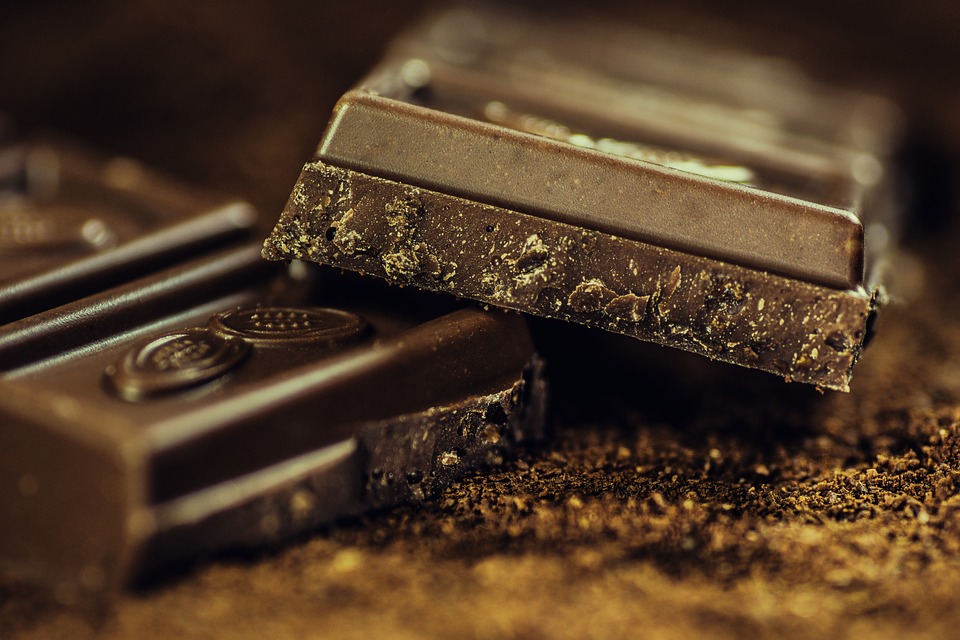
However, the introduction of milk and high quantities of sugar in the 19th century transformed much of the chocolate on the market into an unhealthy confection. For phytotherapy purposes, our focus is exclusively on high-quality dark chocolate with a cocoa content of 70% or higher. Indeed, the health benefits are primarily linked to the potent bioactive compounds found in cocoa, not the sugar and fat added to commercial candy.

dark chocolate complete food

The Science Behind Dark Chocolate’s Health Benefits

The bitter taste of dark chocolate is a direct indicator of its richness in beneficial compounds. Researchers have identified nearly 400 distinct polyphenols in raw cocoa beans, with flavanols being the most significant.

* Flavanols (Epicatechin): These powerful antioxidants are central to cocoa’s health effects. Epicatechin, in particular, has been studied for its ability to improve endothelial function—the health of the inner lining of blood vessels. It achieves this by increasing the production of nitric oxide, a molecule that helps relax and dilate blood vessels, thereby improving blood flow and lowering blood pressure.
* Theobromine: A mild, non-addictive stimulant that provides sustained energy without the sharp peak and crash associated with caffeine. It also acts as a vasodilator and has diuretic properties.
* Resveratrol: Also found in red wine, this compound has demonstrated neuroprotective properties in laboratory studies, potentially helping to shield nerve cells from damage and inflammation.

Numerous studies confirm that regular, moderate consumption of high-flavanol cocoa can offer notable benefits for the cardiovascular and nervous systems. Furthermore, these compounds may help reduce insulin resistance and protect cells from oxidative stress.

Key Health Benefits Supported by Research

While often enjoyed as a dessert, dark chocolate possesses properties that, when consumed correctly, may support overall health. It is crucial to select products with over 70% cocoa to maximize these potential benefits.

Cardiovascular Support

Perhaps the most well-documented benefit of dark chocolate is its positive impact on heart health. According to a meta-analysis published in the journal Nutrients in 2020, cocoa flavanols have been shown to significantly improve vascular function and reduce blood pressure in healthy adults. The mechanism involves enhancing nitric oxide bioavailability, which promotes vasodilation and ensures blood vessel elasticity.

Cognitive Function and Mood

The flavanols in dark chocolate also support brain health. By improving cerebral blood flow, they may enhance cognitive functions like memory, focus, and processing speed. Additionally, cocoa contains compounds like phenylethylamine (PEA), which the brain converts into serotonin, a neurotransmitter associated with improved mood. Theobromine provides a gentle mental lift, contributing to alertness.

Potent Antioxidant Source

Cocoa beans have a greater antioxidant capacity than many other famed superfoods, including green tea and red wine. These antioxidants neutralize free radicals, unstable molecules that cause oxidative stress—a key driver of cellular aging and numerous chronic diseases. Consequently, this antioxidant action provides a protective effect for the liver, nervous system, and other vital organs.

Administration Protocol and Safety Limits

To harness the benefits of dark chocolate without adverse effects, it is essential to adhere to specific consumption guidelines. This is not a license to eat unlimited quantities of chocolate but rather a protocol for mindful, therapeutic use.

Guideline Recommendation
Recommended Daily Dose 20-30 grams (approximately 1 ounce or 2-3 small squares) of dark chocolate with ≥70% cocoa content.
Maximum Daily Dose Do not exceed 40 grams per day. Higher intake significantly increases calorie, sugar, and saturated fat consumption, negating the health benefits.
Administration Condition Can be consumed at any time, but avoid late-night consumption if sensitive to stimulants like theobromine and caffeine, as it may disrupt sleep.
Consumption Method Choose high-quality, minimally processed dark chocolate. Avoid products with high sugar content, milk solids, or artificial additives (e.g., “Dutch-processed” or alkalized cocoa, which has lower flavanol levels).

Specific Biological Limitation

Stimulant Effects on the Central Nervous System:
Dark chocolate contains theobromine and a small amount of caffeine. Both are methylxanthine alkaloids that act as central nervous system stimulants. While theobromine’s effect is milder and longer-lasting than caffeine’s, it can still become problematic for certain individuals. This stimulation can increase heart rate and alertness. For most, this is a benign effect, but it becomes a significant risk for people with anxiety disorders, cardiac arrhythmias, or severe sensitivity to stimulants, potentially causing palpitations, nervousness, or insomnia.

Contraindications and Precautions

Absolute Contraindications (FORBIDDEN):

  • Chocolate/Cocoa Allergy: Individuals with a known allergy must avoid all cocoa products.
  • Severe Kidney Disease: Dark chocolate is a source of potassium and phosphorus, which must be restricted in patients with advanced kidney failure.
  • G6PD Deficiency: Some sources suggest caution, as compounds in cocoa could potentially trigger hemolysis in susceptible individuals, though evidence is limited.

Vulnerable Populations:

  • Pregnancy and Breastfeeding: Moderate consumption is generally considered safe. However, total caffeine intake from all sources should not exceed 200 mg per day.
  • Children: Small amounts are safe, but intake should be limited due to the stimulant content and potential for high sugar in some products.
  • Pets: Theobromine is highly toxic to dogs and cats and can be fatal. Never give chocolate to pets.

Major Drug Interactions:

  • MAOIs (Monoamine Oxidase Inhibitors): Chocolate contains tyramine, which can cause a hypertensive crisis when combined with this class of antidepressants.
  • Stimulant Medications: Combining with drugs like methylphenidate (Ritalin) can lead to an excessive increase in heart rate and blood pressure.
  • Diabetes Medications: The sugar content, even in dark chocolate, can affect blood glucose levels. Monitor levels closely and consult a healthcare provider.

Documented Adverse Effects:

  • Common: Migraines (in susceptible individuals due to tyramine), acid reflux or GERD symptoms, and acne breakouts in some people.
  • Rare (with excessive intake): Insomnia, nervousness, palpitations, or an irregular heartbeat.

Therapeutic Alternatives

If dark chocolate is unsuitable due to contraindications or personal preference, other botanicals offer similar cardiovascular and cognitive benefits.

Botanical Alternatives with Studies:

  1. Green Tea (Camellia sinensis): Rich in a different class of catechins, particularly EGCG, green tea is well-studied for its ability to support cardiovascular health, lower blood pressure, and provide potent antioxidant effects without the fat and calories of chocolate.
  2. Hawthorn (Crataegus monogyna): A traditional cardiotonic herb, hawthorn berry, leaf, and flower extracts are recognized by Commission E and EMA monographs for supporting heart function, improving coronary artery blood flow, and helping to manage mild hypertension.
  3. Beetroot (Beta vulgaris): An excellent dietary source of inorganic nitrates, which the body converts to nitric oxide. Beetroot juice has been shown in clinical trials to effectively lower blood pressure and improve blood flow, offering a similar vasodilatory benefit to cocoa flavanols.

Recent Medical Research (2020-2026)

Modern science continues to validate the traditional uses and explore new benefits of cocoa.

  • A 2021 study in Scientific Reports investigated the effects of flavanol-rich cocoa on cognitive performance in young adults. The findings indicated that acute consumption of cocoa flavanols improved cerebral oxygenation and enhanced performance on complex cognitive tasks.
  • The large-scale COSMOS trial (COcoa Supplement and Multivitamin Outcomes Study), with results published in 2022, found that daily cocoa extract supplementation showed a promising signal for reducing cardiovascular death by 27%, although it did not significantly reduce total cardiovascular events. This highlights the potential for concentrated extracts in a clinical setting.

Current Limitations:
While research is promising, many studies use concentrated cocoa extracts with higher flavanol doses than typically found in commercial dark chocolate. Therefore, more research is needed to determine the optimal dosage and long-term effects of consuming chocolate itself for specific health outcomes.

Specialist’s Summary

High-quality dark chocolate (≥70% cocoa) is a useful functional food for supporting cardiovascular and cognitive health in healthy adults, with noticeable effects on blood flow and mood. However, it is contraindicated for individuals with specific conditions like severe kidney disease or stimulant sensitivity and interacts with medications like MAOIs. Its benefits are primarily due to flavanols, but moderation is key to avoid excess calories and sugar. Validated alternatives for cardiovascular support include Green Tea and Hawthorn.

Frequently Asked Questions

1. What percentage of cocoa is best for health benefits?

To ensure a high concentration of beneficial flavanols and less sugar, always choose dark chocolate with a cocoa content of 70% or higher. The higher the percentage, the more bitter the taste, but the greater the potential health benefits.

2. Can dark chocolate help with weight loss?

No, dark chocolate is not a weight-loss food. It is calorie-dense due to its fat and sugar content. While some studies suggest it may improve insulin sensitivity and satiety, consuming it in large amounts will lead to weight gain. It should be enjoyed in small, controlled portions as part of a balanced diet.

3. Is dark chocolate addictive?

Dark chocolate is not physically addictive in the way that narcotics are. However, its unique combination of sugar, fat, and psychoactive compounds (like theobromine and anandamide) can trigger cravings and lead to habitual consumption, which some people may find difficult to control.

4. Is dark chocolate safe during pregnancy?

Moderate consumption of dark chocolate is generally considered safe during pregnancy. The primary concern is caffeine content. A 30g serving of 70% dark chocolate contains about 20-25 mg of caffeine. Pregnant women are advised to limit total caffeine intake to under 200 mg per day from all sources, including coffee, tea, and chocolate.

Sources and References

Recent Studies (2020-2026):

  1. Ried, K., et al. (2020). The effect of cocoa on blood pressure and vascular function in patients with hypertension and prehypertension: a systematic review and meta-analysis of randomized controlled trials. Nutrients.
  2. Lamport, D. J., et al. (2021). The effect of flavanol-rich cocoa on cerebral hemodynamic and cognitive performance in healthy young adults. Scientific Reports.
  3. Sesso, H. D., et al. (2022). Effect of Cocoa Flavanol Supplementation for the Prevention of Cardiovascular Disease Events: The COcoa Supplement and Multivitamin Outcomes Study (COSMOS) Randomized Clinical Trial. The American Journal of Clinical Nutrition.

Official Monographs:

  • While cocoa itself does not have a formal EMA or WHO monograph for therapeutic use, its components are widely studied. For comparison, alternatives like Hawthorn are recognized: EMA – Crataegi folium cum flore.

⚠️ Important Medical Information

This article is for educational and informational purposes only and is not intended as medical advice, diagnosis, or treatment. The information provided about Dark Chocolate is based on traditional use, preliminary research, and available scientific evidence, which may be limited.

Before using Dark Chocolate for health purposes:

  • Consult a qualified healthcare provider, especially if you are pregnant, breastfeeding, taking medications, or have existing health conditions like heart arrhythmias, anxiety, or kidney disease.
  • Do not use as a substitute for prescribed medications or professional medical treatment for conditions like hypertension or high cholesterol.
  • Individual results may vary – what works for one person may not work for another.
  • Monitor for adverse reactions, such as migraines or digestive upset, and discontinue use if negative symptoms occur.


You may also like

2 comments

Steven Joyce
Steven Joyce August 7, 2016 - 11:19

Amen.

Reply
Jackie Berry
Jackie Berry June 15, 2018 - 15:12

dark Anything!!!

Reply

Leave a Comment