Nutritional Benefits of Commonly Discarded Fruit and Vegetable Parts: A Safety-Focused Guide
Many adults strive to meet the daily recommended intake of one and a half to two cups of fruit and two to three cups of vegetables. However, achieving these goals could be simpler and more sustainable if we utilized the nutrient-dense parts of produce that are commonly discarded. Globally, a significant portion of food is wasted, and this includes beneficial skins, stems, and seeds. These components often contain a high concentration of vitamins, minerals, and bioactive compounds.
This guide provides a phytotherapy specialist’s perspective on incorporating these “scraps” into your diet safely and effectively. Importantly, we will address the potential risks, such as pesticide residues and naturally occurring compounds, and provide clear protocols for safe consumption.
Apple Peel (Malus domestica)
The skin of an apple is a rich source of beneficial compounds often lost when peeled. It contains a significant concentration of the fruit’s total fiber and vitamins.
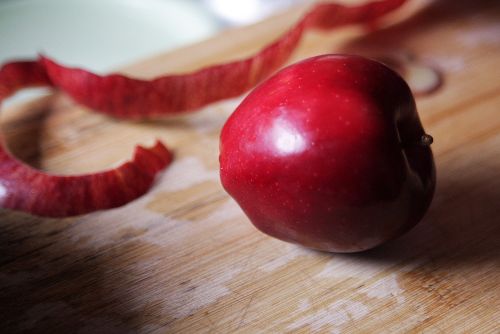
Notably, apple peel is abundant in quercetin, a flavonoid antioxidant studied for its potential to support respiratory health and protect against oxidative stress in the brain. The insoluble fiber in the peel also contributes to digestive regularity and promotes satiety.
Safe Consumption Guidelines
- Source Selection: Due to the high potential for pesticide accumulation on the surface, always choose certified organic apples when you plan to consume the peel.
- Preparation: If using conventional apples, wash them thoroughly under running water and use a vegetable brush to scrub the surface. This helps reduce, but may not eliminate, pesticide residues and wax coatings.
- Method of Consumption: The simplest method is to eat the whole, washed apple. You can also bake the peels into crispy “chips” or add them to smoothies for an extra fiber boost.
Contraindications and Precautions
While generally safe, a sudden, large increase in insoluble fiber from apple peels may cause temporary digestive discomfort, such as bloating or gas, in individuals not accustomed to a high-fiber diet. Introduce them gradually.
Swiss Chard Stems (Beta vulgaris subsp. vulgaris)
The colorful, crunchy stems of Swiss chard are often discarded in favor of the leaves, yet they are both edible and nutritious. They provide a unique texture and flavor when cooked.
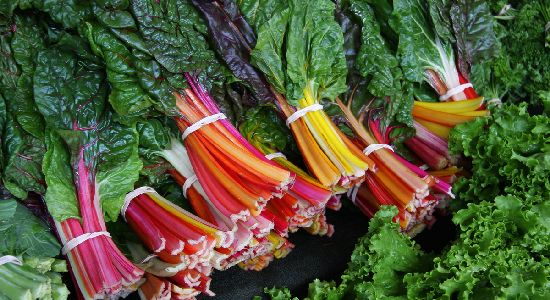
Research has indicated that chard stems contain valuable nutrients, including the amino acid glutamine. Glutamine plays a role in supporting immune function and maintaining intestinal health. The stems also contribute dietary fiber and antioxidants.
Specific Biological Limitation: Oxalates
Swiss chard, including its stems, contains oxalates. These natural compounds can bind to calcium and form crystals. In susceptible individuals, a high intake of oxalates can contribute to the formation of calcium oxalate kidney stones. Therefore, moderation is key.
Safe Consumption Guidelines
- Preparation: Cooking significantly reduces the oxalate content of Swiss chard stems. Sautéing, steaming, or boiling the chopped stems before consumption is highly recommended, especially for individuals with a history of kidney issues.
- Culinary Use: Chop the stems and cook them along with the leaves, or sauté them separately with garlic and olive oil as a side dish.
Contraindications and Precautions
Individuals with a history of kidney stones, particularly calcium oxalate stones, or those with kidney disease should consult their healthcare provider before adding significant amounts of high-oxalate foods like chard stems to their diet.
Orange Peel (Citrus sinensis)
The peel of an orange contains aromatic essential oils and potent flavonoids that are not present in the same concentration in the fruit’s pulp.
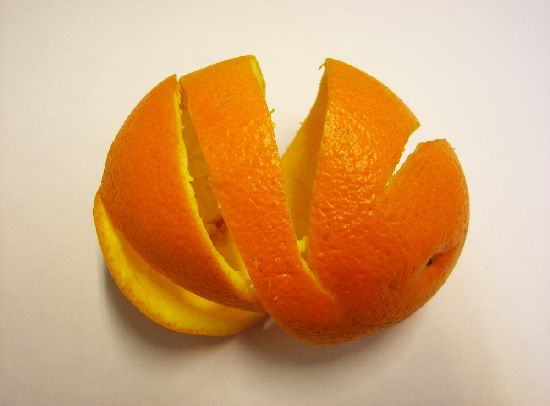
A 2004 study highlighted that compounds in citrus peels, known as polymethoxylated flavones (PMFs), may support healthy cholesterol levels. These compounds exhibit strong antioxidant and anti-inflammatory properties, potentially contributing to cardiovascular health.
⚠️ WARNING – Pesticides and Waxes!
Conventional citrus fruits are frequently treated with post-harvest fungicides and coated with inedible wax to prolong shelf life. These substances are concentrated in the peel and are not intended for consumption. Therefore, it is imperative to use only peels from certified organic, unwaxed oranges.
Safe Consumption Guidelines
- Source Selection: Use ONLY certified organic oranges. Check the label to ensure they are not coated with wax.
- Preparation: Wash the organic orange thoroughly. Use a zester or microplane to grate the outer colored layer (the zest), avoiding the bitter white pith underneath.
- Culinary Use: Add small amounts of zest to flavor baked goods, marinades, teas, or savory dishes. Do not consume the peel whole.
Contraindications and Precautions
Individuals with known allergies to citrus should avoid consuming the peel. While rare from dietary amounts, some citrus compounds can cause photosensitivity in susceptible individuals.
Beet Greens (Beta vulgaris)
Historically, beets were cultivated for their nutritious leaves long before the root became popular. Beet greens are a powerhouse of nutrients.
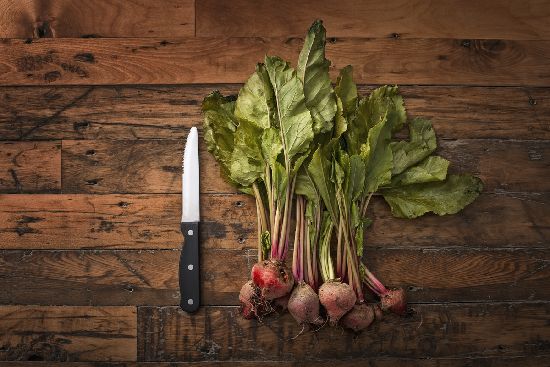
They are an excellent source of Vitamin K, which is essential for blood clotting and bone health, and Vitamin A, crucial for vision and immune function. Furthermore, they provide substantial amounts of fiber, calcium, and iron.
Specific Biological Limitation: Vitamin K and Oxalates
Like Swiss chard, beet greens are high in oxalates, posing a risk for individuals prone to kidney stones. Additionally, their extremely high Vitamin K content can interfere with anticoagulant medications such as warfarin.
Safe Consumption Guidelines
- Preparation: Cooking methods like steaming or sautéing can help reduce oxalate levels.
- Portion Control: Consume beet greens in moderation as part of a varied diet.
Contraindications and Precautions
- Anticoagulant Medication: Individuals taking blood thinners like warfarin must consult their doctor before consuming beet greens. Consistent intake is necessary to avoid fluctuations in medication effectiveness.
- Kidney Stone Risk: Those with a history of calcium oxalate kidney stones should limit their intake.
Watermelon Rind (Citrullus lanatus)
The firm, white part of the watermelon rind is not only edible but also contains beneficial compounds, most notably the amino acid L-citrulline.
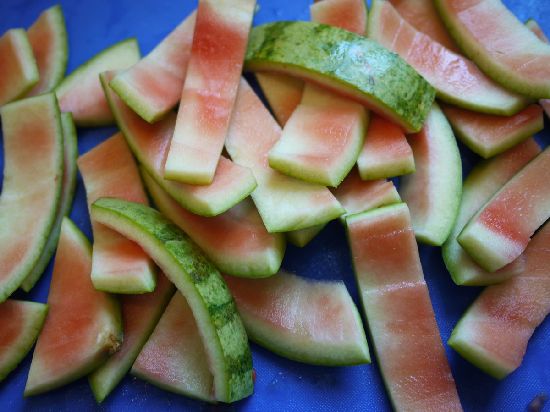
Research, including a 2003 study from the USDA, has shown that the rind is a rich source of L-citrulline. The body converts L-citrulline into L-arginine, another amino acid that helps improve blood flow and may support cardiovascular health and athletic performance.
Safe Consumption Guidelines
- Source Selection: Choose organic watermelons to minimize pesticide exposure, as residues can be present on the outer skin.
- Preparation: Thoroughly wash the watermelon’s exterior. The rind can be pickled, stir-fried, or blended into smoothies. Shave off the tough, dark green outer layer before use.
Contraindications and Precautions
Watermelon rind is generally very safe. However, due to its high fiber content, consuming large quantities, especially raw, may cause digestive upset in some individuals.
Turnip Greens (Brassica rapa subsp. rapa)
The leafy tops of turnips are a nutrient-dense vegetable in their own right, offering a peppery flavor and a host of health benefits.
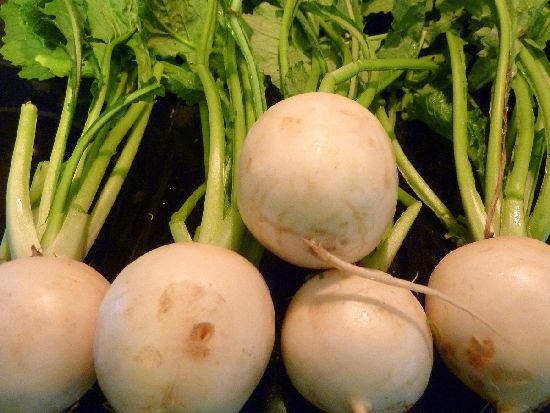
Similar to other dark leafy greens, turnip greens are exceptionally high in Vitamin K and Vitamin A. They are also a very good source of dietary fiber, iron, and potassium, contributing to bone health, immune function, and digestive wellness.
Specific Biological Limitation: Goitrogens and Vitamin K
As a member of the cruciferous family, turnip greens contain goitrogens, compounds that can potentially interfere with thyroid hormone production in individuals with iodine deficiency. They also have a very high Vitamin K content, which requires caution for those on blood-thinning medication.
Safe Consumption Guidelines
- Preparation: Cooking, such as steaming or boiling, deactivates a significant portion of the goitrogenic compounds, making them safer for individuals with thyroid concerns.
- Culinary Use: Sauté turnip greens with garlic or add them to soups and stews.
Contraindications and Precautions
- Thyroid Conditions: Individuals with hypothyroidism should consume turnip greens in moderation and preferably cooked.
- Anticoagulant Medication: Patients on warfarin should consult their physician to ensure a consistent intake of Vitamin K-rich foods to maintain stable medication levels.
Potato Skin (Solanum tuberosum)
The skin of a potato contains a high concentration of its nutrients. Ounce for ounce, the skin provides more fiber, B vitamins, vitamin C, iron, calcium, and potassium than the flesh alone.
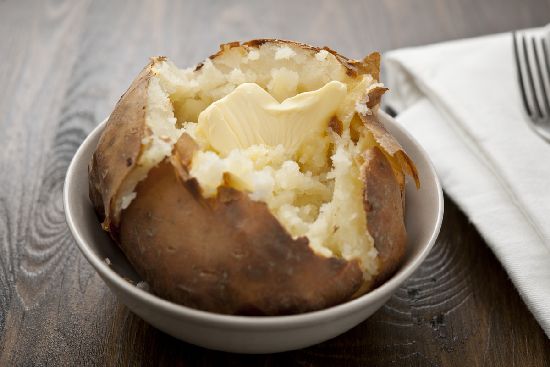
The fiber in potato skin supports digestive health and can help regulate blood sugar levels. Consuming the whole potato is a simple way to maximize its nutritional value.
⚠️ WARNING – Solanine Toxicity!
Potato skins, especially when they turn green, can develop a toxic compound called solanine. Green coloration indicates chlorophyll production from light exposure, which often coincides with a buildup of solanine. Ingesting solanine can cause gastrointestinal and neurological symptoms.
Safe Consumption Guidelines
- Selection and Storage: Choose firm potatoes without any green spots, sprouts, or damage. Store them in a cool, dark, and dry place to prevent sprouting and greening.
- Preparation: Thoroughly scrub the potato skin under running water before cooking. Crucially, cut away and discard ANY green parts of the skin or flesh, as well as any sprouts.
- Method of Consumption: Enjoy baked or roasted potatoes with the skin on. Avoid fried potato skins from restaurants, which are often high in unhealthy fats and sodium.
Pumpkin Seeds (Cucurbita pepo)
Also known as pepitas, pumpkin seeds are a nutritional treasure often discarded during pumpkin carving. They are rich in essential minerals, healthy fats, and protein.
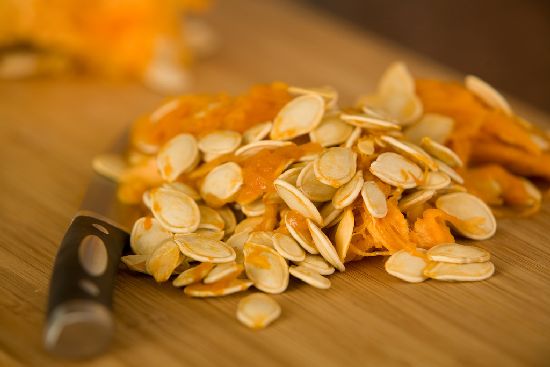
Pumpkin seeds are one of the best natural sources of magnesium, a mineral vital for heart health, bone formation, and muscle function. They also provide significant amounts of iron, zinc, and plant-based omega-3 fatty acids. Additionally, they contain phytosterols, compounds that may help support healthy cholesterol levels.
Administration Protocol and Safety Limits
| Guideline | Recommendation |
| Maximum Daily Dose | A standard serving is about 1/4 cup (around 30 grams). While safe, they are calorie-dense, so moderation is advised to manage overall caloric intake. |
| Preparation | Rinse the seeds to remove pulp, allow them to dry completely, and then roast them lightly. Roasting enhances flavor and may reduce phytic acid, which can bind to minerals and reduce their absorption. |
| Overconsumption Risk | Exceeding recommended servings regularly can contribute to excessive calorie intake. The high fiber content may also cause digestive issues like gas or bloating in sensitive individuals if consumed in large quantities. |
Contraindications and Precautions
Pumpkin seeds are generally very well-tolerated. Individuals with diverticulitis may be advised to avoid seeds, although this recommendation is debated. Always follow the advice of your healthcare provider.
Specialist’s Summary
Utilizing the peels, stems, and seeds of common fruits and vegetables is an excellent way to enhance nutrient intake and reduce food waste. These parts are often rich in fiber, vitamins, and unique phytochemicals. However, safety is paramount; always prioritize organic sources for peels to avoid pesticides, be mindful of compounds like oxalates and solanine, and cook certain greens to reduce anti-nutrients. When consumed correctly, these discarded parts can be a valuable addition to a healthy diet.
Frequently Asked Questions
1. Is it always safe to eat the skin of fruits and vegetables?
No, it is not always safe. The primary concerns are pesticide residues and natural toxins. Always wash produce thoroughly. For items with high pesticide risk like apples and citrus, choose organic. Never eat potato skins that have turned green due to solanine risk.
2. Does cooking really reduce harmful compounds like oxalates?
Yes, studies show that cooking methods like boiling and steaming can significantly reduce the concentration of water-soluble oxalates in vegetables like Swiss chard and beet greens, making them safer for individuals at risk for kidney stones.
3. Can I get all the L-citrulline I need from watermelon rind?
While watermelon rind is a good natural source of L-citrulline, the concentration can vary. For therapeutic doses aimed at specific health outcomes like athletic performance, a standardized supplement is often used. However, including the rind in your diet contributes to your overall intake.
Sources and References
Key Studies and Monographs:
- Ku, K. M., & Choi, J. H. (2021). Pre-treatment and processing of citrus peels and their effects on the recovery of polymethoxylated flavones: A review. Food Chemistry.
- Rimando, A. M., & Perkins-Veazie, P. M. (2005). Determination of citrulline in watermelon rind. Journal of Chromatography A. (Note: This builds on earlier USDA work from 2003).
- Friedman, M. (2006). Potato Glycoalkaloids and Metabolites: A Review of Potentially Harmful or Beneficial Attributes. Journal of Agricultural and Food Chemistry.
- Savage, G. P., et al. (2002). The effect of cooking on the soluble and insoluble oxalate content of some New Zealand foods. Journal of Food Composition and Analysis.




108 commments