Natural Juice for Snoring Relief: How It Works and Safety Tips

by Andreea Smiterson
0 comments
A+A-
Reset

Snoring occurs when the flow of air through the mouth and nose is physically obstructed during sleep. This obstruction causes the tissues at the back of the throat to vibrate, producing the characteristic sound. While occasional, light snoring is common, persistent snoring can disrupt sleep quality for both the snorer and their partner. Common contributors include nasal congestion, inflammation of the airways, and excess mucus production.

This article explores a natural juice recipe whose ingredients have been traditionally used and are scientifically studied for their potential to reduce inflammation and mucus. It is important to understand that this is a supportive dietary measure, not a cure for snoring, especially if it is linked to a serious condition like sleep apnea.

treatment against snoring

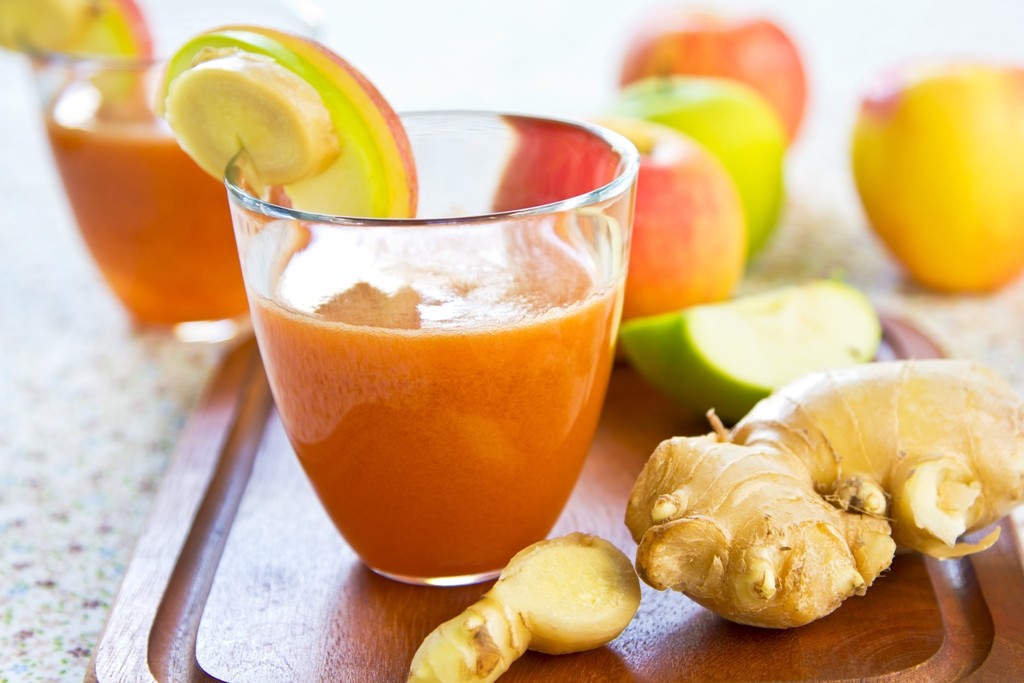
An Anti-Inflammatory Juice Recipe for Airway Support

This recipe combines ingredients known for their potential anti-inflammatory and mucolytic (mucus-thinning) properties. By addressing underlying congestion and inflammation, it may help create a clearer airway for breathing during sleep.

Ingredients:

  • 2 medium organic apples
  • 2 medium organic carrots
  • 1-inch (2-3 cm) piece of fresh ginger root
  • ¼ of a fresh lemon (with peel, if organic)

Instructions:

  1. Wash all ingredients thoroughly.
  2. Cut the apples, carrots, and ginger into pieces that fit your juicer.
  3. Process all ingredients through a juicer.
  4. Drink the juice fresh, ideally a few hours before bedtime.

How the Ingredients May Help

  • Ginger (Zingiber officinale): Ginger is a well-documented anti-inflammatory agent. According to research published in the *International Journal of Preventive Medicine*, its active compounds, such as gingerols, can help reduce inflammation throughout the body, including in the respiratory passages. Furthermore, ginger acts as an expectorant, helping to loosen and break up mucus.
  • Lemon (Citrus limon): Lemon is a natural source of Vitamin C, a potent antioxidant that supports immune function. Its astringent properties can help shrink swollen tissues and its composition may help thin mucus, making it easier to clear from the airways.
  • Apples (Malus domestica): Apples contain quercetin, a flavonoid with natural antihistamine and anti-inflammatory effects. For individuals whose snoring is exacerbated by allergies, quercetin may help reduce nasal congestion and airway irritation.
  • Carrots (Daucus carota): Carrots are rich in beta-carotene, which the body converts to Vitamin A. This vitamin is essential for maintaining the health of mucosal membranes that line the nose and throat, potentially improving their resilience against irritants.

Administration Protocol and Safety Limits

While this juice is made from common foods, it’s important to consume it mindfully.

  • Treatment Duration: This juice can be consumed regularly as part of a healthy diet. However, if you are using it specifically for therapeutic purposes, consider a cycle of 5 days on and 2 days off to avoid any potential sensitivities.
  • Maximum Daily Dose: One glass (approximately 8-10 ounces or 250-300 ml) per day is a sufficient and safe dose for a healthy adult.
  • Timing: Consume the juice at least 2-3 hours before going to bed. Drinking it immediately before lying down may increase the risk of acid reflux due to the lemon content.
  • Overdose Risk: Exceeding the recommended amount is unlikely to be toxic but may lead to digestive discomfort, such as bloating or heartburn, particularly from the ginger and lemon.

Specific Biological Limitation

Ginger’s Effect on Blood Clotting: Ginger contains compounds that can inhibit platelet aggregation, which means it has a mild blood-thinning effect. While this is generally considered a health benefit, it can pose a risk for certain individuals.

Technical Warning: People taking anticoagulant or antiplatelet medications (e.g., warfarin, clopidogrel, aspirin) or those with bleeding disorders should exercise caution. Consuming significant amounts of ginger daily could potentially increase the risk of bleeding or bruising when combined with these medications.

Contraindications and Precautions

Always consider potential interactions and individual health conditions before starting any new health regimen.

  • Absolute Contraindications: Do not consume this juice if you have a known allergy to apples, carrots, ginger, or citrus fruits.
  • Gastrointestinal Issues: Individuals with GERD (Gastroesophageal Reflux Disease), gastritis, or stomach ulcers should be cautious, as both ginger and lemon can irritate the stomach lining and worsen symptoms.
  • Vulnerable Populations:
    • Pregnancy: While ginger is often used for morning sickness, high doses should be avoided. Consult a healthcare provider before regular consumption during pregnancy.
    • Children: The recipe is generally safe for children, but the amount of ginger should be significantly reduced.
  • Major Drug Interactions:
    • Anticoagulants/Antiplatelets (e.g., Warfarin, Aspirin): Ginger may enhance their effect, increasing bleeding risk.
    • Diabetes Medications: Ginger may lower blood sugar levels. Monitor glucose closely if you consume this juice regularly.
    • Blood Pressure Medications: Ginger may lower blood pressure, potentially amplifying the effect of these drugs.

Therapeutic Alternatives

If this juice is not suitable for you or if you seek other natural approaches for nasal and throat congestion, consider these evidence-based alternatives:

  1. Peppermint (Mentha x piperita): The menthol in peppermint is a natural decongestant. Inhaling steam with a few drops of peppermint essential oil (never ingest the oil) or drinking peppermint tea before bed can help open nasal passages.
  2. Thyme (Thymus vulgaris): Traditionally used as an expectorant and antispasmodic for respiratory conditions. A warm cup of thyme tea can help soothe the throat and loosen phlegm. The German Commission E monograph approves its use for bronchitis and coughs.
  3. Eucalyptus (Eucalyptus globulus): A powerful decongestant. Using eucalyptus oil in a diffuser or for steam inhalation (add a few drops to a bowl of hot water and inhale the steam) can provide significant relief from nasal blockage. CRITICAL: Eucalyptus oil is toxic if ingested and should only be used for inhalation.

Recent Medical Research (2020-2026)

While there are no clinical trials on this specific juice blend for snoring, recent research continues to validate the properties of its individual components.

  • A 2020 review in the journal Nutrients highlighted the potent anti-inflammatory and antioxidant activities of ginger, reaffirming its role in managing inflammatory conditions.
  • Research on quercetin (found in apples) continues to explore its effectiveness in managing allergic rhinitis, a common cause of nasal congestion. A 2021 study confirmed its ability to modulate immune responses related to allergies.

Current Limitations: It is crucial to note that the evidence is indirect. These studies support the mechanisms (anti-inflammatory, decongestant) but do not directly prove this juice stops snoring. The effectiveness will largely depend on the underlying cause of an individual’s snoring.

Specialist’s Summary

This anti-inflammatory juice, featuring ginger, lemon, and apple, may offer mild, supportive relief for snoring caused by mucus and airway inflammation. It is not a cure and is ineffective for snoring caused by structural issues or sleep apnea. Its benefits are derived from the scientifically recognized properties of its ingredients. However, it should be used with caution by individuals with acid reflux or those taking blood-thinning medications. For more direct relief from congestion, validated alternatives like peppermint or eucalyptus steam inhalation are often more effective.

Frequently Asked Questions

1. How quickly will this juice work for snoring?
This is not an instant remedy. It works by supporting the body’s systems to reduce inflammation and mucus over time. Consistent use, combined with dietary changes like avoiding alcohol and processed foods before bed, may yield noticeable improvements over several days or weeks.

2. Can this juice treat or cure sleep apnea?
Absolutely not. Obstructive Sleep Apnea (OSA) is a serious medical condition where breathing repeatedly stops and starts during sleep. It requires a formal diagnosis and treatment from a healthcare professional. Using this juice as a substitute for medical treatment for OSA is dangerous.

3. Are there any side effects of drinking this juice daily?
For most people, it is safe. However, potential side effects include heartburn or stomach upset due to the acidity of lemon and the spiciness of ginger. If you experience any discomfort, reduce the amount of ginger or lemon, or discontinue use.

Sources and References

  1. Mashhadi, N. S., Ghiasvand, R., Askari, G., Hariri, M., Darvishi, L., & Mofid, M. R. (2013). Anti-oxidative and anti-inflammatory effects of ginger in health and physical activity: review of current evidence. *International journal of preventive medicine*, 4(Suppl 1), S36–S42.
  2. Mlcek, J., Jurikova, T., Skrovankova, S., & Sochor, J. (2016). Quercetin and Its Anti-Allergic Immune Response. *Molecules*, 21(5), 623.
  3. World Health Organization (WHO). (1999). *WHO Monographs on Selected Medicinal Plants – Volume 1*. Rhizoma Zingiberis.

⚠️ Important Medical Information

This article is for educational and informational purposes only and is not intended as medical advice, diagnosis, or treatment. The information provided about this natural juice recipe is based on traditional use and scientific evidence on its individual ingredients, which may be limited in the context of snoring.

Before using this recipe for health purposes:

  • Consult a qualified healthcare provider to rule out serious conditions like sleep apnea and to discuss potential interactions, especially if you are pregnant, breastfeeding, taking medications, or have existing health conditions.
  • Do not use as a substitute for prescribed medications or professional medical treatment.
  • Individual results may vary – what works for one person may not work for another.
  • Monitor for adverse reactions and discontinue use if negative symptoms occur.

Regulatory status: The ingredients in this recipe are foods and are not evaluated by the FDA for treating, curing, or preventing any disease.


You may also like

Leave a Comment