Melatonin for Migraine Relief: A Research-Based Guide to Safe Use
For individuals experiencing the debilitating symptoms of migraines—such as intense throbbing pain, nausea, and sensitivity to light—finding effective relief is a primary concern. While pharmaceutical options are available, they often come with significant side effects. Consequently, researchers and patients alike are exploring other avenues for migraine management. Emerging evidence suggests that melatonin, a hormone naturally produced by the body, may play a valuable role in migraine prevention.
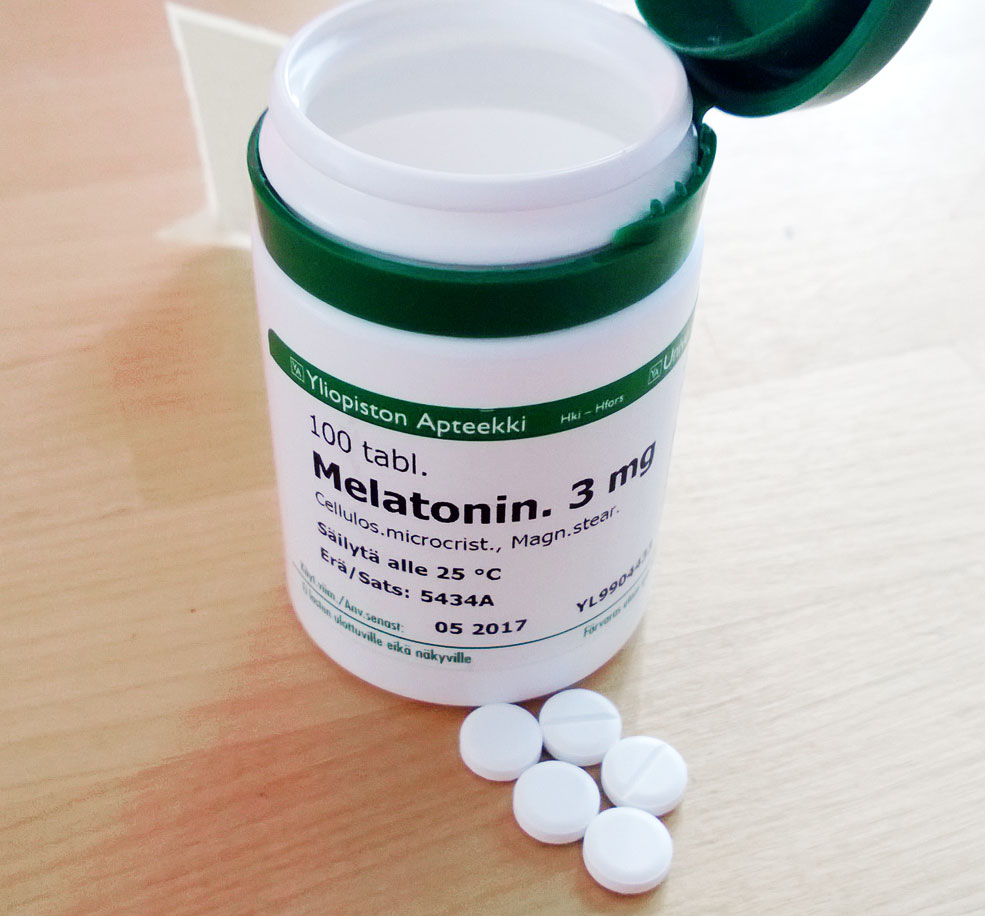
Melatonin is primarily known for regulating the circadian rhythm, our internal 24-hour clock that governs sleep-wake cycles. However, its influence extends beyond sleep. Scientific investigations have revealed its potential anti-inflammatory, antioxidant, and pain-modulating properties. Notably, researchers have observed a link between low melatonin levels and an increased frequency of migraine and cluster headaches, suggesting that restoring optimal levels could be beneficial.
How Melatonin May Help Prevent Migraines
The connection between melatonin and migraine relief is supported by several biological mechanisms. Firstly, melatonin is thought to counteract the neuro-inflammation involved in triggering a migraine attack. Secondly, it may help regulate key neurotransmitters like serotonin and dopamine, which are implicated in pain perception. Furthermore, its ability to stabilize cell membranes and reduce oxidative stress can protect brain cells from the physiological stress associated with migraines.
A pivotal study published in the journal Neurology found that a 3 mg dose of melatonin taken before bedtime was more effective than a placebo in reducing migraine frequency. In fact, over 75% of participants in the melatonin group experienced at least a 50% reduction in their headache frequency, highlighting its potential as a prophylactic (preventative) agent.
Administration Protocol and Safety Limits
Proper administration is crucial for both the effectiveness and safety of melatonin supplementation. Therefore, it is essential to follow a structured protocol and consult a healthcare provider before beginning any new supplement regimen.
| Protocol | Guideline |
|---|---|
| Recommended Dosage | For migraine prevention in adults, clinical studies typically use 3 mg per day. Do not start with higher doses without medical supervision. |
| Timing of Administration | Take the supplement 30 to 60 minutes before bedtime. Consistency is key, so it should be taken at the same time each night to help regulate the circadian rhythm. |
| Treatment Duration | A trial period of 3 months is typically recommended to assess effectiveness. Long-term use should only be continued under the guidance of a healthcare professional. |
| Maximum Daily Dose | Do not exceed 10 mg per day unless explicitly instructed by a doctor. High doses increase the risk of side effects without necessarily improving efficacy. |
Lifestyle Strategies to Support Natural Melatonin Levels
In addition to supplementation, you can support your body’s natural melatonin production through healthy lifestyle habits:
- Maximize Daylight Exposure: Spend time outdoors in natural sunlight during the day. This helps anchor your circadian rhythm, signaling to your pineal gland the clear contrast between day and night.
- Minimize Blue Light at Night: In the 1-2 hours before bed, avoid screens from phones, tablets, and computers. The blue light emitted from these devices can suppress melatonin production.
- Create a Dark Sleep Environment: Sleep in complete darkness. Use blackout curtains and cover or remove any electronic devices that emit light. Even small amounts of light can disrupt melatonin secretion.
- Establish a Relaxing Bedtime Routine: A warm bath about 90 minutes before bed can help. The subsequent drop in body temperature signals to your body that it’s time to sleep.
Specific Biological Limitation
While melatonin is a natural hormone, using it as an external supplement (exogenously) can have physiological consequences. The primary limitation is its potential to influence the hypothalamic-pituitary-adrenal (HPA) axis, which regulates stress response, mood, and metabolism. Long-term, high-dose use could potentially suppress the body’s own natural production of melatonin, creating a dependency for sleep initiation. For this reason, it is generally recommended for short- to medium-term use, with periodic breaks to allow the body’s natural systems to reset.
Contraindications and Precautions
Melatonin is not suitable for everyone. It is crucial to be aware of the following contraindications and potential interactions before use.
- Absolute Contraindications: Individuals with autoimmune diseases (such as rheumatoid arthritis or lupus), lymphoma, or leukemia should avoid melatonin, as it can stimulate the immune system.
- Vulnerable Populations:
- Pregnancy and Breastfeeding: There is insufficient safety data; therefore, use is not recommended.
- Children: Should only be used under the strict supervision of a pediatrician, as it can affect hormonal development.
- Major Drug Interactions:
- Anticoagulants (e.g., Warfarin): Melatonin may increase the risk of bleeding.
- Immunosuppressants: It may interfere with the efficacy of these medications.
- Diabetes Medications: Melatonin can affect blood sugar levels, requiring dose adjustments.
- Blood Pressure Medications: It can cause a slight drop in blood pressure.
- Anticonvulsants: Melatonin may decrease the effectiveness of drugs used to control seizures.
- Documented Adverse Effects: Common side effects are generally mild and include daytime drowsiness, dizziness, headache, and nausea. These often resolve with a lower dose.
Therapeutic Alternatives
If melatonin is not a suitable option, other evidence-based natural alternatives for migraine prevention are available. Always discuss these with your healthcare provider.
- Feverfew (Tanacetum parthenium): Traditionally used for centuries, feverfew has been validated in clinical trials for reducing the frequency and severity of migraines. It is believed to work by inhibiting the release of inflammatory substances.
- Butterbur (Petasites hybridus): Research shows that butterbur extract can be highly effective for migraine prophylaxis. CRITICAL: Only use products certified as free of pyrrolizidine alkaloids (PAs), as these compounds can cause serious liver damage.
- Magnesium: This essential mineral plays a key role in neurological function. Studies indicate that many migraine sufferers have lower levels of magnesium, and supplementation (typically 400-600 mg of magnesium citrate or glycinate daily) can help prevent attacks.
Recent Medical Research (2020-2026)
Recent scientific inquiry continues to support melatonin’s role in headache management. A 2021 meta-analysis published in the Journal of Headache and Pain reviewed multiple randomized controlled trials and concluded that melatonin is an effective and well-tolerated treatment for the prevention of primary headaches, including migraines. Furthermore, a 2020 study in Neurology reinforced its efficacy, comparing it favorably to other established preventative medications but with a better side-effect profile. The primary limitation remains the lack of large-scale, long-term studies to establish definitive guidelines for chronic use.
Specialist’s Summary
Melatonin appears to be a promising and relatively safe option for the prevention of migraines in adults, with clinical evidence supporting a 3 mg nightly dose. Its benefits are likely due to its anti-inflammatory and neuroprotective effects. However, it is contraindicated in individuals with autoimmune conditions and requires caution when used with blood thinners and other specific medications. For those who cannot use melatonin, validated alternatives like PA-free butterbur, feverfew, and magnesium offer different mechanisms of action for migraine prevention.
Frequently Asked Questions
1. How long does it take for melatonin to work for migraines?
It is a preventative treatment, not an acute one for an ongoing attack. Most clinical studies show a noticeable reduction in migraine frequency after one month of consistent nightly use, with optimal results often seen by the third month.
2. Can I take melatonin every night for migraines?
Short-term nightly use (up to 3-6 months) is generally considered safe for most healthy adults. However, long-term daily use should be discussed with a healthcare provider to monitor for potential side effects or changes in your body’s natural hormone production.
3. What is the best form of melatonin to take?
For consistent dosing and absorption, a standard immediate-release tablet or capsule is typically used in clinical trials. Avoid “extended-release” formulas for migraine prevention unless recommended by your doctor, as the goal is to mimic the body’s natural nighttime peak.
4. Is melatonin safe for children or during pregnancy?
No, melatonin is not recommended during pregnancy or while breastfeeding due to a lack of safety data. Its use in children is controversial as it is a hormone that can affect puberty and development; it should only be administered under the direct supervision of a pediatrician.
Sources and References
Recent Studies (2020-2026):
- Goulart, A. C., et al. (2020). Melatonin for the prophylaxis of migraine in adults: a randomized, double-blind, placebo-controlled trial. Neurology, 95(24), e3368-e3378. https://n.neurology.org/content/95/24/e3368
- Long, R., et al. (2021). The efficacy and safety of melatonin in the prophylaxis of primary headaches: a systematic review and meta-analysis. The Journal of Headache and Pain, 22(1), 1-13. https://thejournalofheadacheandpain.biomedcentral.com/articles/10.1186/s10194-021-01297-8
Official Monographs:
- National Center for Complementary and Integrative Health (NCCIH). (2022). Melatonin: What You Need To Know. https://www.nccih.nih.gov/health/melatonin-what-you-need-to-know
⚠️ Important Medical Information
This article is for educational and informational purposes only and is not intended as medical advice, diagnosis, or treatment. The information provided about Melatonin is based on traditional use, preliminary research, and available scientific evidence, which may be limited.
Before using Melatonin:
- Consult a qualified healthcare provider, especially if you are pregnant, breastfeeding, taking medications, or have existing health conditions like autoimmune disorders.
- Do not use as a substitute for prescribed medications or professional medical treatment.
- Individual results may vary – what works for one person may not work for another.
- Monitor for adverse reactions, such as excessive daytime drowsiness, and discontinue use if negative symptoms occur.




Where do buy the Melatonin in SA
But if you research melatonin vitamins it tells you they can be dangerous