How to Improve a Double Chin Naturally: Exercises and Herbal Support
The appearance of a double chin, medically known as submental fullness, is a common concern influenced by factors such as genetics, age-related changes in skin elasticity, and overall body weight. While many seek quick fixes, it’s important to understand that its development is a gradual process. Consequently, improving its appearance requires a consistent and multi-faceted approach.
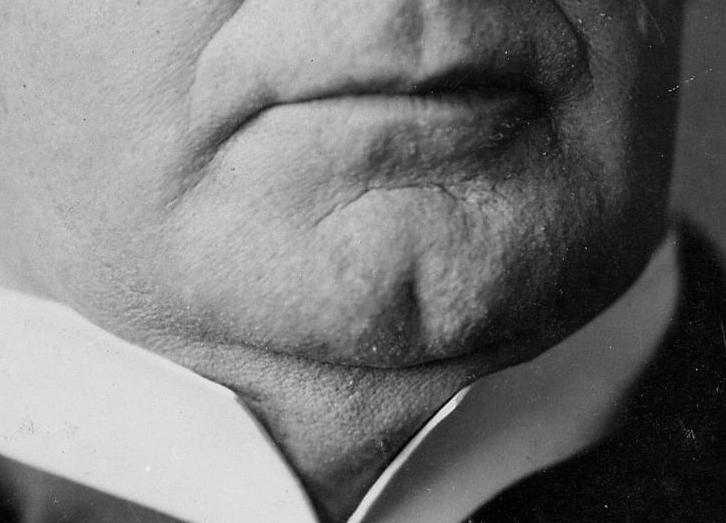
While invasive cosmetic procedures exist, they are not accessible or desirable for everyone. A holistic strategy combining lifestyle adjustments, targeted muscle toning, and botanical support for skin health offers a natural way to enhance the contour of the jawline and neck. However, it is crucial to set realistic expectations; these methods aim to improve appearance rather than “eliminate” the condition entirely, especially when genetics are a primary factor.
Foundational Strategies: Exercise and Lifestyle
Before exploring topical or internal remedies, addressing the underlying causes is the most effective first step. For this reason, lifestyle modifications are paramount.
1. Targeted Exercises for Neck and Jaw Muscles
While you cannot “spot reduce” fat from any single area, you can strengthen and tone the underlying muscles, including the platysma muscle in the neck. A more toned muscular foundation can lead to a firmer and more defined appearance. For instance, consider incorporating these exercises into your daily routine:
- The Jaw Jut: Tilt your head back and look toward the ceiling. Push your lower jaw forward to feel a stretch under the chin. Hold for 10 seconds, relax, and repeat 10-15 times.
- The Ball Squeeze: Place a small, stress-ball-sized ball under your chin. Press your chin down against the ball in a steady, firm motion. Repeat 25 times daily.
- The Neck Stretch: While seated, tilt your head back and look at the ceiling. Press your tongue firmly against the roof of your mouth. This activates the muscles in the front of your neck. Hold for 5-10 seconds and release. Repeat 10-15 times.
Important Note: Perform these exercises gently to avoid straining your neck. Consistency is more important than intensity.
2. The Role of Weight Management and Hydration
A double chin is often composed of a layer of submental fat. Therefore, one of the most impactful strategies is maintaining a healthy body weight through a balanced diet and regular physical activity. Furthermore, proper hydration is essential for maintaining skin elasticity. Dehydrated skin can appear more lax and may accentuate sagging.
Botanical Support for Skin Firmness and Elasticity
Certain botanicals contain compounds that may support the skin’s structural integrity by promoting collagen synthesis and protecting against oxidative damage. While they will not remove fat, they can contribute to healthier, more resilient skin, which is a key component of a firm jawline.
Gotu Kola (Centella asiatica) for Collagen Synthesis
Gotu Kola is a cornerstone of traditional Ayurvedic and Chinese medicine, historically used for wound healing and skin revitalization. Modern research has focused on its active compounds, known as triterpenoid saponins (asiaticoside, madecassoside), which have been shown to stimulate fibroblast activity and type I collagen synthesis. Collagen is the primary structural protein in the skin, providing firmness and strength.
According to a review published in Advances in Dermatology and Allergology, extracts of Centella asiatica can significantly improve skin hydration and elasticity, making it a valuable ingredient in formulations aimed at skin firming.
Administration Protocol and Safety Limits
- Topical Use: Apply a cream or serum containing a standardized Centella asiatica extract (1-5%) to the neck and chin area twice daily. Gently massage in an upward motion.
- Internal Use (Consult a Professional): Standardized extracts are available in capsule form. A typical dosage is 60-120 mg of total triterpenoids per day.
- Treatment Duration: For internal use, limit continuous cycles to 6-8 weeks, followed by a 2-week break.
Contraindications and Precautions
- Absolute Contraindications: Do not use internally if you have liver disease. Avoid use during pregnancy and breastfeeding due to a lack of safety data.
- Adverse Effects: Topically, it may cause allergic contact dermatitis in sensitive individuals. Internally, high doses may cause nausea or drowsiness.
- Drug Interactions: Use with caution if taking hepatotoxic (liver-damaging) medications or sedatives, as Gotu Kola may amplify their effects.
Green Tea (Camellia sinensis) for Antioxidant Protection
Green tea is rich in polyphenols, particularly epigallocatechin gallate (EGCG), a powerful antioxidant. Oxidative stress from UV radiation and environmental pollutants accelerates the breakdown of collagen and elastin, leading to premature skin aging and laxity. The antioxidants in green tea help neutralize these damaging free radicals.
Research published in journals like the Journal of the German Society of Dermatology indicates that both oral and topical application of green tea polyphenols can help protect the skin from photoaging and may improve its structural properties.
Administration Protocol and Safety Limits
- Topical Use: A simple and safe method is to use a cool compress. Steep two green tea bags in hot water, let them cool completely in the refrigerator, and then place them on the chin and neck area for 15-20 minutes.
- Internal Use: Drinking 2-3 cups of high-quality green tea daily provides systemic antioxidant benefits.
- Maximum Dose: Avoid excessive consumption of concentrated green tea extracts, as they have been linked to liver stress in rare cases. Stick to brewed tea or follow supplement guidelines carefully.
Contraindications and Precautions
- Vulnerable Populations: Pregnant or breastfeeding women should limit caffeine intake from all sources, including green tea.
- Adverse Effects: High consumption can lead to caffeine-related side effects like insomnia, anxiety, or stomach upset.
– Drug Interactions: Green tea contains Vitamin K, which can interfere with anticoagulant drugs like warfarin. It may also interact with stimulants and certain heart medications. Consult your doctor if you are on any prescription medication.
Therapeutic Alternatives
If lifestyle changes and botanical support are insufficient, it is important to know that other options exist. Always discuss these with a qualified healthcare professional.
- Botanical Alternatives: Horsetail (Equisetum arvense) is rich in silica, a mineral essential for collagen formation and connective tissue health. It can be taken as a tea or standardized supplement to support overall skin structure.
- Cosmetic Procedures: A dermatologist can offer minimally invasive procedures such as injections of deoxycholic acid (which dissolves fat cells), cryolipolysis (fat freezing), or radiofrequency treatments (which tighten skin).
Recent Medical Research (2020-2026)
Recent scientific inquiry continues to validate the role of specific botanicals in skin health. A 2023 meta-analysis confirmed that topical application of formulations containing Centella asiatica consistently improves skin hydration and reduces transepidermal water loss, reinforcing its role in maintaining skin barrier function and elasticity. Furthermore, ongoing research into green tea’s EGCG explores its mechanisms in protecting dermal fibroblasts from UV-induced senescence (aging), highlighting its potential in preventative skincare.
However, it is important to note that research specifically targeting the use of these herbs for submental fullness is limited. The current evidence supports their use for improving overall skin quality, which is a contributing factor to the appearance of the neck and jawline.
Specialist’s Summary
Improving the appearance of a double chin naturally is best achieved through a combination of weight management, targeted muscle-toning exercises, and botanical support for skin health. Herbs like Gotu Kola may help promote collagen synthesis, while Green Tea offers antioxidant protection to preserve skin firmness. These methods require consistency and patience and should be viewed as supportive measures for enhancing skin quality rather than a direct “cure.” For significant submental fat, consulting a dermatologist about cosmetic procedures is a valid alternative.
Frequently Asked Questions
1. Can exercises alone get rid of a double chin?
Exercises can tone the underlying muscles, which may create a firmer and more defined appearance. However, they do not burn the fat that causes a double chin. They are most effective when combined with overall weight management.
2. How long will it take to see results from these natural methods?
Results vary greatly depending on the primary cause (fat vs. skin laxity). With consistent exercise and lifestyle changes, you may begin to notice subtle improvements in muscle tone and skin texture within 4 to 8 weeks. Significant changes can take several months.
3. Are expensive “neck firming” creams effective?
Many creams provide temporary moisturizing and tightening effects. For potential long-term benefits, look for products with evidence-based ingredients that support collagen, such as standardized extracts of Centella asiatica (Gotu Kola), retinoids, or peptides. Their effectiveness is supportive, not curative.
4. Is it safe to use these herbs during pregnancy?
No. Internal use of Gotu Kola is contraindicated during pregnancy and breastfeeding. While drinking a moderate amount of green tea is generally considered safe, concentrated extracts should be avoided. Always consult a healthcare provider before using any herbal product during pregnancy.
Sources and References
- Bylka, W., Znajdek-Awiżeń, P., Studzińska-Sroka, E., & Brzezińska, M. (2013). Centella asiatica in cosmetology. Postepy dermatologii i alergologii, 30(1), 46–49.
- Prasanth, M. I., Sivamaruthi, B. S., Chaiyasut, C., & Tencomnao, T. (2019). A Review of the Role of Green Tea (Camellia sinensis) in Antiphotoaging, Stress Resistance, Neuroprotection, and Autophagy. Nutrients, 11(2), 474.
- Oyetakin-White, P., Suggs, A., Koo, B., Matsui, M. S., Yarosh, D., Cooper, K. D., & Baron, E. D. (2015). Does poor sleep quality affect skin ageing?. Clinical and experimental dermatology, 40(1), 17–22.
⚠️ Important Medical Information
This article is for educational and informational purposes only and is not intended as medical advice, diagnosis, or treatment. The information provided about Gotu Kola and Green Tea is based on traditional use, preliminary research, and available scientific evidence, which may be limited.
Before using any herbal remedy:
- Consult a qualified healthcare provider, especially if you are pregnant, breastfeeding, taking medications, or have existing health conditions like liver disease.
- Do not use this information as a substitute for prescribed medications or professional medical treatment.
- Individual results may vary – what works for one person may not work for another.
- Monitor for adverse reactions and discontinue use if negative symptoms occur.



