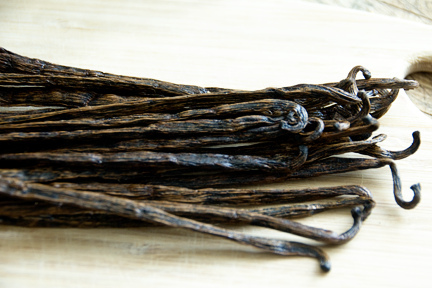
More than just a delightful flavouring for desserts, pure vanilla extract, derived from the beans of the Vanilla planifolia orchid, has a history of use in traditional wellness practices. While many historical claims lack modern scientific validation, emerging research highlights its potential benefits, particularly due to its primary active compound, vanillin. However, it is crucial to distinguish between pure vanilla extract and synthetic vanilla essence, as only the former contains the complex array of compounds responsible for its potential therapeutic effects.
This article explores the evidence-based benefits of pure vanilla extract, focusing on its antioxidant, anti-inflammatory, and calming properties, while providing clear safety guidelines for its use.

Evidence-Based Benefits of Vanilla Extract
While vanilla is not a cure for any medical condition, scientific inquiry has begun to validate some of its traditional uses, especially concerning its chemical constituents.
1. Potent Antioxidant Properties
One of the most well-documented benefits of vanilla is its antioxidant activity. Vanillin, the main phenolic compound in vanilla beans, is a powerful antioxidant. Consequently, it helps neutralize free radicals—unstable molecules that can cause oxidative stress and damage cells over time. According to research published in the journal Oxidative Medicine and Cellular Longevity, compounds like vanillin play a crucial role in protecting the body from cellular damage linked to chronic health issues.
Mechanism: Antioxidants donate an electron to free radicals, stabilizing them and preventing a chain reaction of cellular damage. This process may support overall health and skin vitality by protecting against environmental stressors.
2. Calming Effects and Mood Support (Aromatherapy)
The aroma of vanilla is widely recognized for its calming and mood-lifting effects. This is not merely anecdotal; studies in the field of aromatherapy have demonstrated its potential as an anxiolytic (anxiety-reducing) agent. For instance, a study involving patients undergoing MRI scans found that exposure to a vanilla-like fragrance significantly reduced anxiety compared to a control group. Therefore, inhaling the scent of pure vanilla extract may help soothe the nervous system and promote a sense of relaxation.
Traditional Use: Historically, the scent of vanilla was used in perfumes and potpourris to create a comforting and welcoming atmosphere, believed to ease tension and stress.
3. Potential Anti-inflammatory and Antimicrobial Activity
Preliminary laboratory (in vitro) studies suggest that vanillin possesses anti-inflammatory and antimicrobial properties. Research indicates it may inhibit the growth of certain bacteria and reduce inflammatory markers. However, it is critical to note that this evidence is from controlled lab settings. Applying vanilla extract directly to the skin, especially for conditions like acne, is not recommended. The high alcohol content can cause significant irritation, dryness, and may worsen the condition.
Important Caveat: There are no robust human clinical trials to support the use of topical vanilla extract as a treatment for skin infections or inflammatory conditions.
Administration Protocol and Safety Limits
Proper administration is key to safely harnessing the potential benefits of vanilla extract. The primary concern with commercial extracts is their high alcohol content (typically at least 35% by volume).
| Aspect | Protocol and Safety Guidelines |
|---|---|
| Method of Use |
|
| Maximum Dose | Internal consumption should be limited to standard culinary amounts. Ingesting large quantities of vanilla extract can lead to alcohol intoxication. |
| Duration | Aromatherapy can be used as needed for relaxation. There are no established limits for culinary use. |
Specific Biological Limitation
High Alcohol Content: The primary limitation of commercial vanilla extract is its formulation as a tincture, typically containing a minimum of 35% ethyl alcohol. This makes it unsuitable for individuals with alcohol sensitivity, a history of alcoholism, or those with liver conditions. Furthermore, the alcohol base can be extremely drying and irritating when applied to the skin, potentially causing contact dermatitis or exacerbating existing skin issues.
Contraindications and Precautions
Before incorporating vanilla extract beyond normal culinary use, consider the following warnings.
- Alcohol Dependency: Individuals recovering from alcoholism or with a sensitivity to alcohol should avoid consuming vanilla extract.
- Pregnancy and Breastfeeding: While safe in food amounts, therapeutic or large doses should be avoided due to the lack of safety data and high alcohol content.
- Children: Do not give vanilla extract internally to children in non-culinary doses due to the alcohol.
- Skin Application: Direct application to the skin is strongly discouraged. It can cause redness, itching, and inflammation, particularly on sensitive or broken skin.
- Drug Interactions: Due to its alcohol content, vanilla extract could potentially interact with medications that are metabolized by the liver or drugs that cause drowsiness (e.g., sedatives, certain antidepressants). Consult a pharmacist or doctor if you are on medication.
Therapeutic Alternatives
If vanilla extract is not suitable for your needs, other botanicals offer similar benefits with different safety profiles.
- For Mood and Relaxation (Aromatherapy): Bergamot (Citrus bergamia) essential oil is well-studied for its ability to reduce stress and elevate mood without the sedative effects of other oils. Its bright, citrusy aroma is often used to combat feelings of anxiety and depression.
- For Antioxidant Support (Culinary): Clove (Syzygium aromaticum) is a spice with one of the highest known ORAC (Oxygen Radical Absorbance Capacity) scores, indicating exceptional antioxidant power. Adding ground cloves to foods or teas can provide potent cellular protection.
- For Skin Soothing (Topical): Calendula (Calendula officinalis) infused oil is a gentle and effective alternative for soothing irritated skin. It is known for its anti-inflammatory and wound-healing properties and is safe for most skin types.
Recent Medical Research (2020-2026)
Modern research continues to explore the therapeutic potential of vanillin. A 2020 review published in the International Journal of Molecular Sciences highlighted vanillin’s diverse pharmacological activities, including its neuroprotective, anti-inflammatory, and antioxidant effects. Furthermore, a 2022 study explored its potential in modulating gut microbiota, suggesting future avenues for research into its systemic health benefits. However, most of this research is still in preclinical stages, and human trials are needed to confirm these effects.
Specialist’s Summary
Pure vanilla extract is a source of the powerful antioxidant vanillin and is most reliably used in aromatherapy for its calming effects on the nervous system. Its internal use should be limited to culinary amounts due to its high alcohol content, which also makes it unsuitable for topical application. For relaxation, alternatives like Bergamot oil are excellent, while for antioxidant benefits, spices like Clove offer a more potent option.
Frequently Asked Questions
1. Is vanilla extract effective for reducing anxiety?
The aroma of vanilla has been shown in some studies to have a calming, anxiolytic effect. Using pure vanilla extract in an aromatherapy diffuser may help reduce feelings of stress and promote relaxation. However, it is not a treatment for clinical anxiety disorders.
2. Can I apply vanilla extract directly to my skin for acne?
No, this is not recommended. The high concentration of alcohol in vanilla extract can severely dry out and irritate the skin, potentially worsening acne and causing inflammation. While vanillin has antimicrobial properties in a lab, the extract itself is not a suitable or safe skincare treatment.
3. What is the difference between pure vanilla extract and imitation vanilla?
Pure vanilla extract is made by macerating and percolating vanilla beans in a solution of ethyl alcohol and water. Imitation vanilla is typically made from synthetically produced vanillin (often from wood pulp) and may contain other chemicals and additives. Only pure extract contains the full spectrum of aromatic and beneficial compounds.
4. Is vanilla extract safe during pregnancy?
Using vanilla extract in standard culinary amounts (e.g., in baking) is generally considered safe during pregnancy. However, consuming it in larger, therapeutic quantities or using it frequently for aromatherapy should be avoided due to the high alcohol content and lack of specific safety studies.
Sources and References
- Ho, C. T., et al. (2020). Chemistry and biological activities of vanillin and its derivatives. International Journal of Molecular Sciences, 21(22), 8647. https://www.ncbi.nlm.nih.gov/pmc/articles/PMC7762014/
- Redd, W. H., et al. (1994). Fragrance administration to reduce anxiety during magnetic resonance imaging. Journal of Magnetic Resonance Imaging, 4(4), 623-626.
- Bezerra, D. P., et al. (2016). An overview of the therapeutic potential of vanillin. Oxidative Medicine and Cellular Longevity, 2016, 9243285. https://www.ncbi.nlm.nih.gov/pmc/articles/PMC5086673/
⚠️ Important Medical Information
This article is for educational and informational purposes only and is not intended as medical advice, diagnosis, or treatment. The information provided about Vanilla Extract is based on traditional use, preliminary research, and available scientific evidence, which may be limited.
Before using Vanilla Extract for therapeutic purposes:
- Consult a qualified healthcare provider, especially if you are pregnant, breastfeeding, taking medications, or have existing health conditions like liver disease or alcohol dependency.
- Do not use as a substitute for prescribed medications or professional medical treatment.
- Individual results may vary – what works for one person may not work for another.
- Monitor for adverse reactions, such as skin irritation, and discontinue use if negative symptoms occur.