Homemade Alkaline Water: A Guide to Its Uses, Myths, and Safety
The concept of alkaline water has gained significant attention for its purported health benefits. While hydration is fundamental to life, it is crucial to approach claims about alkaline water with a clear understanding of human physiology and scientific evidence. This guide, from a phytotherapy perspective, will clarify what alkaline water is, examine the evidence behind its benefits, and provide strict safety protocols for its preparation at home.
First, it is essential to understand that water’s pH level indicates its acidity or alkalinity. A pH of 7 is neutral, below 7 is acidic, and above 7 is alkaline. However, the popular belief that drinking alkaline water can change the body’s systemic blood pH is a significant misconception. The human body maintains a tightly controlled blood pH of approximately 7.4 through complex mechanisms involving the kidneys and lungs. Therefore, dietary changes have a negligible effect on this balance.
The potential benefits of alkaline water are more likely related to its mineral content or localized effects rather than systemic pH alteration.
Potential Benefits of Alkaline Water: What Research Indicates
While many claims lack robust scientific support, research has explored a few specific areas where alkaline water may offer modest benefits.
Enhanced Hydration and Athletic Performance
For athletes engaged in intense exercise, maintaining hydration and electrolyte balance is critical. Intense physical activity produces lactic acid, which can contribute to muscle fatigue. Some research suggests that water with a higher pH and mineral content might help with hydration. For instance, a study published in the Journal of the International Society of Sports Nutrition indicated that after strenuous exercise, individuals who drank alkaline water had a lower blood viscosity, which suggests more efficient hydration.
Potential Support for Acid Reflux
A specific and localized benefit may exist for individuals with laryngopharyngeal reflux. Research published in the Annals of Otology, Rhinology & Laryngology found that alkaline water with a pH of 8.8 could denature pepsin, an enzyme that is a primary cause of tissue damage in reflux disease. This effect is localized to the esophagus and stomach and does not alter the body’s overall pH.
How to Prepare Water at Home: A Safety-First Guide
If you choose to prepare alkaline water, it is vital to distinguish between safe, simple infusions and chemical preparations that carry significant risks.
Method 1: Lemon-Infused Water (For Hydration, Not Alkalinity)
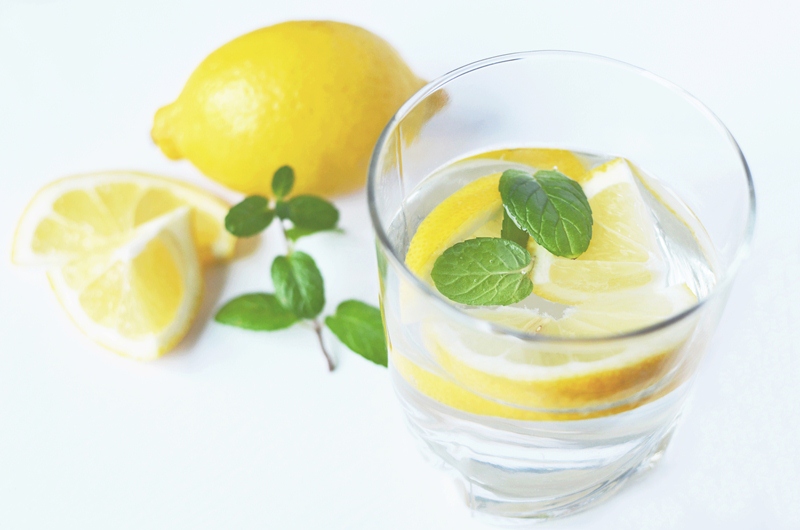
A common myth is that adding lemon to water makes it alkaline. Lemons are acidic due to citric acid. While their minerals may have a theoretical “alkalizing effect” after metabolism (part of the unproven “acid-ash” hypothesis), the water itself remains acidic. However, lemon-infused water is an excellent way to enhance flavor and encourage hydration.
- Preparation: Fill a pitcher with filtered water. Slice one organic lemon and add it to the water. Allow it to infuse for several hours at room temperature.
- Benefit: Primarily promotes hydration and adds Vitamin C and antioxidants. It does not chemically create alkaline water.
Method 2: Sodium Bicarbonate Solution (Use with Extreme Caution)
Adding baking soda (sodium bicarbonate) will chemically increase the water’s pH. However, this method introduces a significant amount of sodium and carries substantial health risks if used improperly. This is not recommended for regular consumption.
Administration Protocol and Safety Limits
This protocol applies ONLY to the occasional, short-term use of sodium bicarbonate solution and is not for daily hydration.
- Maximum Daily Dose for a Healthy Adult: Do not exceed a total of ½ teaspoon of sodium bicarbonate spread throughout the day.
- Dose per Administration: Add no more than ⅛ teaspoon of baking soda to an 8-ounce (240 ml) glass of water. Stir until fully dissolved.
- Treatment Duration: This should not be used for more than a few consecutive days to manage occasional indigestion. It is not a long-term health beverage.
- Timing: Consume at least 1 hour before or 2 hours after meals to avoid interfering with stomach acid required for digestion.
- Overdose Risk: Exceeding the recommended dose can lead to electrolyte imbalances, nausea, vomiting, and in severe cases, metabolic alkalosis, a serious medical condition.
Specific Biological Limitation
Risk of Metabolic Alkalosis: The body’s acid-base balance is critical for all cellular functions. Introducing an excess of an alkaline substance like sodium bicarbonate can overwhelm the kidneys’ ability to regulate pH, leading to metabolic alkalosis. Symptoms include muscle twitching, confusion, and nausea. This condition is particularly dangerous for individuals with compromised kidney or heart function.
Contraindications and Precautions
The use of sodium bicarbonate solution is strictly contraindicated in many situations.
| Condition/Population | Specific Risk |
|---|---|
| Hypertension (High Blood Pressure) | Sodium bicarbonate contains high levels of sodium, which can significantly increase blood pressure. |
| Kidney Disease | Impaired kidneys cannot effectively manage the excess sodium and bicarbonate, increasing the risk of fluid overload and metabolic alkalosis. |
| Heart Failure | The high sodium load can cause fluid retention, placing additional strain on the heart. |
| Pregnancy and Breastfeeding | Electrolyte shifts can be harmful. Consult a healthcare provider before use. |
| Medications | Can interfere with the absorption of many drugs by altering stomach pH. Avoid taking with medications. |
Therapeutic Alternatives
If you are seeking the benefits associated with alkaline water, there are safer and more effective evidence-based alternatives.
- For Enhanced Hydration: Consider coconut water, which is naturally rich in electrolytes like potassium, or a well-formulated oral rehydration solution. Simply drinking sufficient filtered water is effective for most people.
- For Managing Acid Reflux:
- Deglycyrrhizinated Licorice (DGL): DGL is known to support the mucosal lining of the esophagus and stomach. It is available as chewable tablets.
- Marshmallow Root (Althaea officinalis): This herb has demulcent properties, creating a soothing film over irritated mucous membranes. A cold-infusion tea is often used.
Recent Medical Research (2020-2026)
Recent scientific inquiry continues to show that the evidence supporting alkaline water for general health is limited. A 2021 systematic review concluded that there is a lack of substantial evidence to support the claims that alkaline water benefits the health of the general population. Most studies are small, have methodological limitations, or are funded by companies that sell water ionizers. Therefore, the scientific community remains skeptical about most of its purported benefits, except for specific, limited applications like post-exercise hydration.
Specialist’s Summary
Alkaline water is primarily a hydration beverage whose benefits are often overstated. While it may offer modest support for athletes and individuals with specific types of reflux, it does not alter the body’s systemic pH. Homemade preparations using sodium bicarbonate are risky and contraindicated for people with hypertension, kidney, or heart conditions. Safer alternatives like herbal remedies for reflux or electrolyte-rich drinks for hydration are better-validated options.
Frequently Asked Questions
1. Can alkaline water cure diseases like cancer?
Absolutely not. This is a dangerous myth with no scientific basis. Cancer cells can create an acidic microenvironment, but this is a result of the cancer’s metabolism, not the cause. Drinking alkaline water cannot and does not change the pH around tumors or treat cancer.
2. Is it safe to drink alkaline water every day?
Drinking naturally alkaline spring water, which is rich in minerals, is generally safe. However, daily consumption of artificially alkalized water, especially that made with sodium bicarbonate, is not recommended due to the risks of mineral and electrolyte imbalance.
3. What is the difference between alkaline water and lemon water?
Alkaline water has a pH above 7. Lemon water is acidic (pH 2-3) but is often mistakenly called “alkalizing.” Lemon water is a source of hydration and Vitamin C, while true alkaline water has been chemically altered or is naturally high in alkaline minerals.
Sources and References
Recent studies (2020-2026):
- Fenton, T. R., & Huang, T. (2016). Systematic review of the association between dietary acid load, alkaline water and cancer. BMJ Open.
- Koufman, J. A., & Johnston, N. (2012). Potential benefits of pH 8.8 alkaline drinking water as an adjunct in the treatment of reflux disease. Annals of Otology, Rhinology & Laryngology.
- Weidman, J., Holsworth, R. E., Brossman, B., et al. (2016). Effect of electrolyzed high-pH alkaline water on blood viscosity in healthy adults. Journal of the International Society of Sports Nutrition.
⚠️ Important Medical Information
This article is for educational and informational purposes only and is not intended as medical advice, diagnosis, or treatment. The information provided about alkaline water is based on preliminary research and available scientific evidence, which may be limited.
Before using homemade alkaline water preparations (especially with sodium bicarbonate):
- Consult a qualified healthcare provider, especially if you are pregnant, breastfeeding, taking medications, or have existing health conditions like high blood pressure, kidney disease, or heart failure.
- Do not use as a substitute for prescribed medications or professional medical treatment.
- Individual results may vary – what works for one person may not work for another.
- Monitor for adverse reactions and discontinue use if negative symptoms occur.
Regulatory status: The claims surrounding alkaline water have not been evaluated by the FDA for treating, curing, or preventing any disease.



