Lemon Peel for Joint Pain: How to Use It Safely
Many people discard lemon peels, unaware of their long history in traditional remedies for various ailments, including joint discomfort. While not a substitute for medical treatment, lemon peels contain compounds that may offer mild, supportive relief for sore joints when used correctly. However, it is crucial to understand both the potential benefits and the significant safety precautions involved.
This article, written from a phytotherapy specialist’s perspective, examines the traditional use of lemon peels for joint pain, reviews the available scientific evidence, and provides clear, safe instructions for their application.
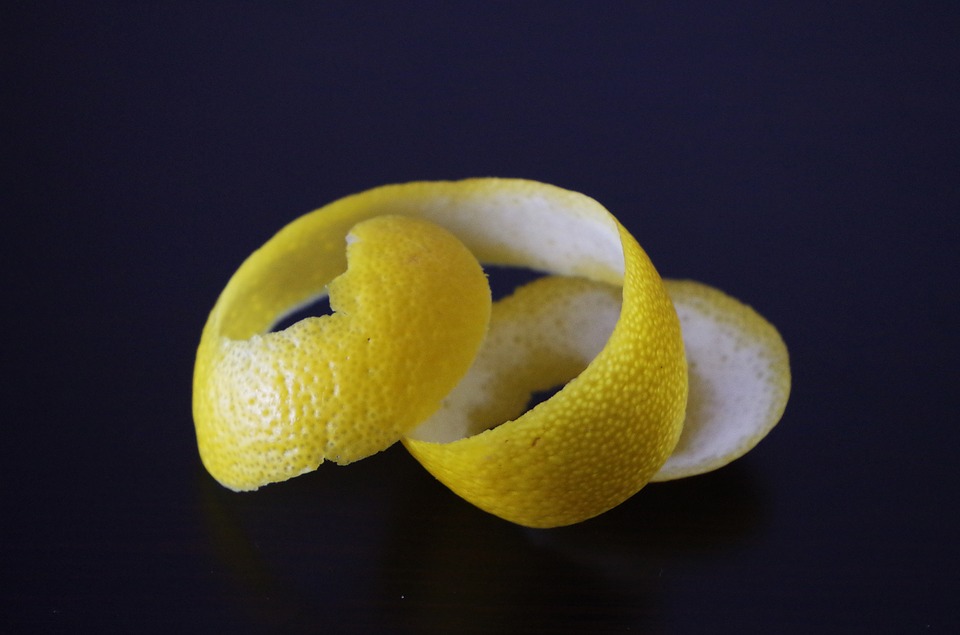
The Science Behind Lemon Peels for Joint Pain
The potential benefits of lemon peel are attributed to its rich concentration of bioactive compounds, which are more potent in the peel than in the juice.
- Essential Oils (Limonene): The peel is abundant in D-limonene, an essential oil responsible for its characteristic aroma. Research suggests that limonene has anti-inflammatory and antioxidant properties. For instance, a study published in the Journal of Oleo Science indicated that citrus essential oils, including limonene, can help reduce inflammatory markers in laboratory settings.
- Flavonoids (Hesperidin): Lemon peels contain flavonoids like hesperidin, which have been investigated for their potential to support vascular health and reduce inflammation. According to research, these compounds may help modulate the body’s inflammatory response.
- Vitamin C: As a powerful antioxidant, Vitamin C plays a role in collagen synthesis, which is essential for healthy cartilage and connective tissues.
It is important to note, however, that most of this research involves concentrated extracts or isolated compounds in laboratory or animal studies. Therefore, direct evidence from human clinical trials on the topical use of whole lemon peels for joint pain is limited.
How to Prepare a Traditional Lemon Peel Liniment
The most common traditional method for using lemon peels for joint pain is a topical liniment or oil infusion. This method allows the oil-soluble compounds from the peel to be absorbed through the skin, potentially providing localized relief.
Recipe for Lemon Peel Infused Oil
- Ingredients: The peels of 2 organic lemons (washed thoroughly) and approximately 1 cup (250 ml) of a carrier oil like extra virgin olive oil or sweet almond oil.
- Preparation: Grate the yellow part of the lemon peel, avoiding the bitter white pith. Place the grated peels into a clean, dry glass jar.
- Infusion: Pour the carrier oil over the peels until they are completely submerged. Seal the jar tightly.
- Maturation: Store the jar in a cool, dark place for 2 to 3 weeks, shaking it gently every couple of days to help the infusion process.
- Straining: After the infusion period, strain the oil through a cheesecloth or fine-mesh sieve into a clean bottle. Discard the peels.
Administration Protocol and Safety Limits
Proper application is key to maximizing potential benefits while minimizing risks.
Topical Application Protocol
- Patch Test: Before the first full application, apply a small amount of the infused oil to a patch of skin on your inner arm. Wait 24 hours to ensure no allergic reaction or irritation occurs.
- Application: Gently massage a small amount of the oil onto the affected joint until it is mostly absorbed. Do not apply to broken, irritated, or wounded skin.
- Frequency: You can apply the oil 2-3 times per day.
- Duration: Use the liniment for up to 14 consecutive days. Subsequently, take a mandatory break of at least 7 days before resuming use.
Specific Biological Limitation
Photosensitivity Risk: Lemon peel contains furanocoumarins, compounds that can cause phytophotodermatitis. This is a serious skin reaction that occurs when the treated skin is exposed to ultraviolet (UV) light from the sun or tanning beds. It can result in redness, blistering, and hyperpigmentation (darkening of the skin).
Technical Warning: To prevent this, you must avoid exposing the treated area to direct sunlight for at least 12-18 hours after applying the lemon peel oil. It is safest to apply the liniment in the evening.
Contraindications and Precautions
While natural, lemon peel remedies are not suitable for everyone.
| Category | Warning and Explanation |
|---|---|
| Absolute Contraindications | Do not use if you have a known allergy to citrus fruits. Avoid application on broken skin, eczema, psoriasis, or open wounds. |
| Vulnerable Populations |
|
| Documented Adverse Effects | Skin irritation, allergic contact dermatitis, and photosensitivity are the primary risks. |
| When to Stop Immediately | Discontinue use if you experience redness, itching, burning, rash, or blistering. |
Therapeutic Alternatives
If lemon peel is not suitable for you, or if you require more potent relief, consider these well-researched botanical alternatives for topical joint pain support.
- Arnica (Arnica montana) Gel: Widely recognized for its use in managing pain and swelling from bruises, sprains, and osteoarthritis. Arnica’s active compounds, sesquiterpene lactones, are believed to have anti-inflammatory effects.
- Capsaicin (from Chili Peppers) Cream: This option works by depleting “substance P,” a neurotransmitter that sends pain signals to the brain. It creates a warming sensation and is effective for certain types of nerve and joint pain.
- Comfrey (Symphytum officinale) Ointment: Traditionally known as “knitbone,” comfrey contains allantoin and rosmarinic acid. It is used topically for muscle and joint pain. Crucially, only use commercially prepared products that are certified free of toxic pyrrolizidine alkaloids (PAs) and for external use only.
Recent Medical Research (2020-2026)
Recent studies continue to explore the anti-inflammatory potential of citrus compounds. A 2022 review in the journal Molecules highlighted the significant anti-inflammatory and antioxidant activities of citrus flavonoids like hesperidin, confirming their potential role in managing inflammatory conditions. However, research is still focused on cellular mechanisms and concentrated extracts rather than traditional topical preparations.
Current Limitations: There remains a significant gap in clinical research. We lack robust, double-blind, placebo-controlled trials in humans to confirm the efficacy and optimal dosage of topical lemon peel infusions for joint pain.
Specialist’s Summary
Topical lemon peel liniment is a traditional remedy that may offer mild, supportive relief for minor joint aches due to the anti-inflammatory properties of its essential oils. Its effects are localized and temporary. However, it is contraindicated for individuals with citrus allergies or sensitive skin and carries a significant risk of photosensitivity if the treated area is exposed to sunlight. Validated botanical alternatives like Arnica gel or Capsaicin cream often provide more reliable and researched options.
Frequently Asked Questions
1. Can lemon peel cure my arthritis?
No. Lemon peel preparations are not a cure for any form of arthritis. They may provide temporary, mild symptomatic relief for some individuals but should not replace conventional medical treatment prescribed by a doctor.
2. How long does it take for the lemon peel liniment to work?
Any effect is typically felt shortly after application as a soothing sensation from the massage and the aromatic oils. However, this is not a long-term solution, and its pain-relieving effects are generally considered mild.
3. Is it safe to put lemon peel directly on my skin?
This is not recommended. Applying fresh lemon peel directly to the skin significantly increases the risk of skin irritation and severe photosensitive reactions when exposed to sunlight. Infusing it in a carrier oil is a safer method of application.
4. Is lemon peel liniment safe during pregnancy or for children?
No, its use is not recommended. There is insufficient safety data for use during pregnancy or breastfeeding. Due to their sensitive skin and the risk of irritation, it should not be used on children.
Sources and References
Recent Studies:
- Hamdan, D., El-Readi, M. Z., Tahrani, A., & Wink, M. (2022). “Pharmacological Activities of Citrus Flavonoids and Their Potential for the Treatment of Inflammatory Diseases.” Molecules, 27(19), 6296. Link to study
- d’Alessio, P. A., Owsianik, M., & Bijaoui, A. (2021). “D-Limonene: A Promising Molecule for the Treatment of Chronic Inflammatory Diseases.” Inflammation Research, 70(8), 831-845.
Official Monographs:
- While no specific monograph exists for lemon peel for joint pain, general information on citrus oils can be found in resources from the European Medicines Agency (EMA) and the World Health Organization (WHO) concerning traditional herbal products.
⚠️ Important Medical Information
This article is for educational and informational purposes only and is not intended as medical advice, diagnosis, or treatment. The information provided about Lemon Peel is based on traditional use, preliminary research, and available scientific evidence, which may be limited.
Before using Lemon Peel:
- Consult a qualified healthcare provider, especially if you are pregnant, breastfeeding, taking medications, or have existing health conditions like sensitive skin or citrus allergies.
- Do not use as a substitute for prescribed medications or professional medical treatment for joint conditions.
- Individual results may vary – what works for one person may not work for another.
- Monitor for adverse reactions and discontinue use immediately if negative symptoms like a rash or irritation occur.



