Heart-Healthy Juice Recipe: Supporting Artery Health with Tomato and Ginger
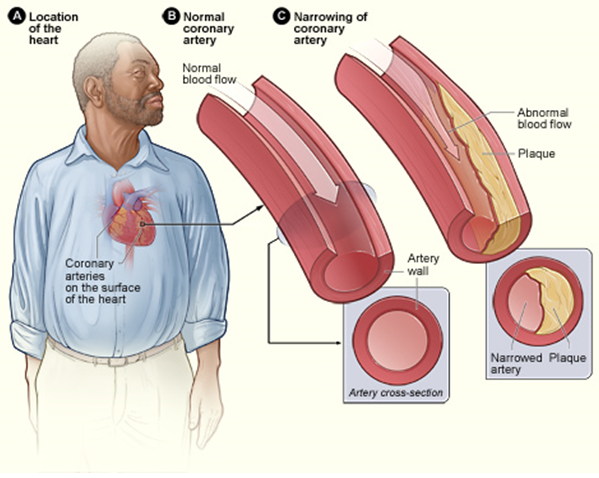
Atherosclerosis is a serious cardiovascular condition characterized by the buildup of plaque—composed of fat, cholesterol, calcium, and other substances—inside the arteries. Consequently, this buildup narrows the arteries, restricting the flow of oxygen-rich blood to the heart and other vital organs. Over time, this can lead to significant health events such as heart attacks or strokes. While medical treatment is essential for managing atherosclerosis, lifestyle and dietary choices play a crucial supportive role in maintaining cardiovascular health.
This article explores a beverage made from ingredients traditionally recognized for their health-supportive properties. However, it is critical to understand that this recipe is not a cure or a substitute for medical treatment. Instead, it should be viewed as a complementary addition to a balanced, heart-healthy diet and a lifestyle that includes regular exercise and smoking cessation, all under the guidance of a healthcare professional.
The Science Behind the Ingredients
The potential benefits of this juice come from the synergistic effects of its individual components. Each ingredient has been studied for its role in supporting cardiovascular wellness.
Tomato Juice: A Source of Lycopene
Tomatoes are a primary source of lycopene, a powerful antioxidant. Research suggests that lycopene may help reduce low-density lipoprotein (LDL) or “bad” cholesterol, a key contributor to arterial plaque. For instance, a meta-analysis published in Critical Reviews in Food Science and Nutrition indicated that regular consumption of tomato products is associated with improvements in blood pressure and LDL cholesterol levels.
Ginger: Anti-Inflammatory and Circulatory Support
Ginger contains active compounds like gingerols, which have demonstrated anti-inflammatory and antioxidant properties. Furthermore, traditional medicine has long used ginger to support circulation. Some preliminary studies suggest it may have a mild anti-platelet effect, potentially helping to prevent blood clots, although more robust human trials are needed to confirm this effect.
Cayenne Pepper: The Role of Capsaicin
The active component in cayenne pepper, capsaicin, is known for its ability to improve circulation and support metabolic health. According to research, capsaicin may help reduce blood pressure and cholesterol levels. It works in part by promoting vasodilation (the widening of blood vessels), which can improve blood flow.
Celery and Lemon: Phthalides and Antioxidants
Celery contains compounds called phthalides, which may help relax the muscle tissue in artery walls, leading to increased blood flow and potentially lower blood pressure. Additionally, lemon juice is rich in Vitamin C and flavonoids, antioxidants that help protect cells from damage caused by free radicals, a factor in the development of atherosclerosis.
Heart-Healthy Juice Recipe
This recipe combines ingredients that may contribute positively to a diet focused on cardiovascular health.
- 2 stalks of celery, washed and chopped
- 1 tablespoon of freshly grated ginger
- ¼ cup (60 ml) of fresh lemon juice
- ½ teaspoon of cayenne pepper (or less, to taste)
- 1 cup (240 ml) of low-sodium tomato juice
Instructions: Combine all ingredients in a blender and process until smooth. Pour into a glass and consume immediately to maximize nutrient intake.
Administration Protocol and Safety Limits
To incorporate this beverage safely into your diet, it is essential to follow clear guidelines and avoid excessive consumption.
| Guideline | Recommendation |
| Maximum Daily Dose | One glass (approximately 8-10 ounces or 240-300 ml) per day. |
| Timing | Consume with a meal to minimize the risk of stomach irritation from ginger and cayenne. |
| Duration | This is a dietary addition, not a short-term “treatment.” It can be consumed as part of a long-term, balanced diet. There is no need for mandatory breaks if consumed in moderation. |
| Overdose Risk | Exceeding the recommended amount may lead to gastrointestinal distress, heartburn, or potential interactions with medications. |
Specific Biological Limitation
The active compounds in this juice, while beneficial for many, can pose risks for individuals with specific health conditions. For example, ginger contains compounds that can influence platelet aggregation. While this may be beneficial for general circulation, it becomes a significant risk for individuals on anticoagulant or antiplatelet medications (blood thinners), as it can potentiate the drug’s effect and increase the risk of bleeding. Similarly, the capsaicin in cayenne can irritate the gastrointestinal lining, making it unsuitable for those with ulcers or gastroesophageal reflux disease (GERD).
Contraindications and Precautions
Always consult a healthcare provider before adding this juice to your routine, especially if you have pre-existing health conditions or are taking medication.
- Major Drug Interactions:
- Anticoagulants and Antiplatelets (e.g., Warfarin, Aspirin, Clopidogrel): Ginger may increase the risk of bleeding.
- Blood Pressure Medications: Celery, cayenne, and ginger may have mild blood pressure-lowering effects, potentially enhancing the effect of these drugs and causing hypotension.
- Diabetes Medications: Ginger and cayenne may affect blood sugar levels, requiring medication adjustments.
- Absolute Contraindications:
- Gastrointestinal Ulcers or GERD: Cayenne and ginger can severely irritate the stomach lining and worsen symptoms.
- Kidney Disease: Tomato juice is high in potassium. Individuals with chronic kidney disease must limit potassium intake.
- Allergies: Do not consume if you are allergic to any of the ingredients.
- Vulnerable Populations:
- Pregnancy and Breastfeeding: The safety of concentrated ginger and cayenne intake has not been established. It is best to avoid this juice.
- Children: This recipe is not recommended for children due to the potent nature of ginger and cayenne.
Therapeutic Alternatives for Cardiovascular Support
If this juice is unsuitable for you, several other evidence-based botanical and dietary options can support heart health:
- Hawthorn (Crataegus spp.): Traditionally used as a cardiac tonic, Hawthorn is supported by monographs from the European Medicines Agency (EMA) for supporting heart function. It is believed to work by improving coronary artery blood flow and strengthening the heart’s contractions.
- Beetroot Juice: Rich in inorganic nitrates, beetroot juice is converted in the body to nitric oxide, a potent vasodilator that helps relax and widen blood vessels, thereby lowering blood pressure.
- Garlic (Allium sativum): Numerous studies have shown that garlic supplementation can have a modest but significant effect on reducing both blood pressure and LDL cholesterol levels.
Recent Medical Research (2020-2026)
Modern research continues to validate the cardiovascular benefits of these dietary components. A 2023 study in the journal Nutrients reaffirmed the role of lycopene from tomatoes in improving endothelial function and reducing markers of inflammation. Furthermore, a 2022 meta-analysis published in Frontiers in Pharmacology concluded that capsaicin intake was associated with a lower risk of all-cause and cardiovascular mortality. However, researchers emphasize that these benefits are part of a holistic dietary pattern, not from isolated “miracle” foods.
Specialist’s Summary
This juice, containing tomato, ginger, and cayenne, may serve as a beneficial dietary addition for supporting cardiovascular health in healthy adults, primarily due to its antioxidant and anti-inflammatory properties. Its effects are supportive, not curative, and appear as part of a long-term healthy lifestyle. However, it is strongly contraindicated for individuals on blood thinners, those with GERD or ulcers, and pregnant women. Validated alternatives with strong scientific backing include Hawthorn, beetroot juice, and garlic.
Frequently Asked Questions
1. Can this juice replace my blood pressure or cholesterol medication?
Absolutely not. This juice is a dietary supplement, not a medical treatment. Never stop or alter your prescribed medication without consulting your cardiologist or primary care physician.
2. How long will it take to see benefits for my arteries?
Dietary changes do not produce immediate results. Any potential benefits for cardiovascular health are cumulative and develop over months and years as part of a consistently healthy diet and lifestyle. There is no “quick fix” for arterial health.
3. Can I drink this juice if I have a sensitive stomach?
It is not recommended. Both ginger and cayenne pepper can cause significant gastrointestinal irritation, including heartburn, stomach pain, and diarrhea, especially in sensitive individuals.
4. Is this juice safe for children, during pregnancy, or while breastfeeding?
No. This juice is not recommended for these vulnerable populations. The potent compounds in ginger and cayenne have not been proven safe for use during pregnancy, breastfeeding, or in children.
Sources and References
- Cheng, H. M., Koutsidis, G., Lodge, J. K., Ashor, A., Siervo, M., & Lara, J. (2022). Tomato and lycopene supplementation and cardiovascular risk factors: A systematic review and meta-analysis. Atherosclerosis.
- Mahdavi-Roshan, M., Mirmiran, P., Arj, A., & Ebrahimi-Far, M. (2021). The effect of capsaicin on cardiovascular risk factors: A systematic review and meta-analysis of clinical trials. Phytotherapy Research.
- European Medicines Agency (EMA). Community herbal monograph on Crataegus spp.
⚠️ Important Medical Information
This article is for educational and informational purposes only and is not intended as medical advice, diagnosis, or treatment. The information provided about this juice recipe is based on traditional use, preliminary research, and available scientific evidence, which may be limited.
Before consuming this juice:
- Consult a qualified healthcare provider, especially if you are pregnant, breastfeeding, taking medications, or have existing health conditions like heart disease, GERD, or kidney problems.
- Do not use as a substitute for prescribed medications or professional medical treatment for atherosclerosis or any other condition.
- Individual results may vary – what works for one person may not work for another.
- Monitor for adverse reactions and discontinue use if negative symptoms such as stomach pain or heartburn occur.



