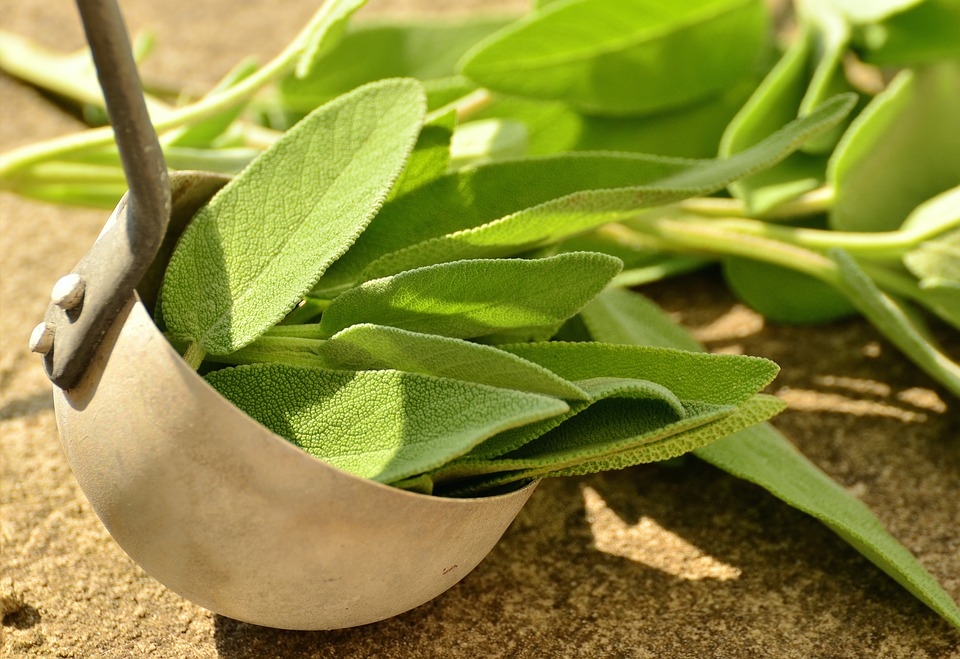
Sage Tea for Menopause Relief: Benefits for Hot Flashes and Sweating

A science-backed guide to using sage for menopause symptoms, including safe dosage and precautions.

by Andreea Smiterson
0 comments
A+A-
Reset

Sage (Salvia officinalis), a staple herb in kitchens worldwide, has a long history in traditional medicine. Its leaves contain a complex profile of active compounds, including flavonoids, phenolic acids like rosmarinic acid, and essential oils containing thujone and camphor. Consequently, these components give sage its characteristic aromatic profile and potential therapeutic properties.

While traditionally used for a wide range of ailments, modern research has focused on specific, evidence-supported applications. This article explores the primary benefits of sage tea, focusing on its role in managing menopausal symptoms and other validated uses, while emphasizing crucial safety protocols.

Key Health Benefits of Sage Tea Supported by Research

While traditional medicine attributes numerous benefits to sage, scientific validation is strongest in a few key areas. It is important to approach its use with a clear understanding of what the evidence currently supports.

1. Alleviating Menopausal Symptoms: Hot Flashes and Excessive Sweating

Perhaps the most well-documented use of sage is in managing vasomotor symptoms associated with menopause. Specifically, sage appears to be effective in reducing the frequency and intensity of hot flashes and night sweats.

For instance, a 2021 clinical trial published in the journal Menopause confirmed that a daily tablet of fresh sage leaves significantly reduced the intensity of hot flashes and other menopausal symptoms over 8 weeks. The mechanism is not fully understood but is thought to involve the modulation of neurotransmitters in the brain’s thermoregulatory center.

2. Soothing Sore Throats and Oral Inflammation (Topical Use)

Sage tea’s antimicrobial and anti-inflammatory properties make it an excellent traditional remedy for oral and throat ailments. When used as a gargle, it can help soothe inflammation and discomfort associated with conditions like:

  • Pharyngitis (sore throat): The astringent compounds can help tighten and soothe irritated mucous membranes.
  • Gingivitis and mouth sores: Its antimicrobial action may help reduce bacterial load and support healing.

For this purpose, the tea is prepared and cooled, then used as a gargle or mouth rinse 2-3 times daily, rather than being ingested.

3. Supporting Cognitive Function

Emerging research suggests that sage may have a positive impact on cognitive health. Several studies indicate that compounds in sage can inhibit the enzyme acetylcholinesterase (AChE), which breaks down the neurotransmitter acetylcholine. Notably, maintaining healthy acetylcholine levels is crucial for memory and learning.

Furthermore, a 2017 systematic review highlighted sage’s potential to enhance cognitive performance in both healthy individuals and those with cognitive decline. However, more extensive clinical trials are needed to establish definitive recommendations.

Administration Protocol and Safety Limits

Proper dosing and duration are critical for using sage safely, primarily to limit exposure to thujone, a compound that can be neurotoxic in high doses.

Parameter Guideline
Preparation Infuse 1-2 grams (approx. 1 teaspoon) of dried sage leaves in 200-250 ml of boiling water for 5-10 minutes.
Maximum Daily Dose Up to 3 cups per day (totaling 3-6 grams of dried leaf). Do not exceed this amount.
Treatment Duration For menopausal symptoms, clinical studies support use for up to 12 weeks.
Mandatory Break After a 12-week cycle, take a mandatory break of at least 2-4 weeks. Long-term continuous use is not recommended.
Timing Can be taken with or without food. For sore throat gargles, use after meals.

Specific Biological Limitation

Thujone Content: The primary safety concern with sage is its thujone content. Thujone is a ketone and a GABA receptor antagonist, which means it can have a convulsant effect on the central nervous system in high doses. This is the scientific reason why sage is strictly contraindicated for individuals with epilepsy or a history of seizures. Prolonged intake of high doses of sage can lead to neurotoxic effects such as restlessness, vomiting, and seizures. Adhering to the recommended dosage and duration limits is essential to minimize this risk.

Contraindications and Precautions

Before using sage tea, it is crucial to be aware of its contraindications and potential interactions.

Absolute Contraindications (Do Not Use)

  • Epilepsy or Seizure Disorders: Due to the neurotoxic potential of thujone, sage can lower the seizure threshold and must be avoided.
  • Pregnancy: Sage has traditionally been used as an emmenagogue (to stimulate menstruation) and may pose a risk of uterine stimulation.
  • Breastfeeding: Sage is a known antigalactagogue, meaning it can significantly reduce breast milk supply. It should only be used under medical guidance during the weaning process.
  • Known Allergy: Avoid if you have a known allergy to sage or other plants in the Lamiaceae (mint) family.

Major Drug Interactions

  • Anticonvulsant Medications: Sage may counteract the effects of drugs used to prevent seizures.
  • Diabetes Medications: Sage may lower blood sugar levels. Combining it with diabetes medication could increase the risk of hypoglycemia. Therefore, close blood sugar monitoring is essential.
  • Sedatives (CNS depressants): Sage might cause sleepiness and slowed breathing. Taking it along with sedative medications might cause excessive sedation.

Therapeutic Alternatives

If sage is not a suitable option for managing menopausal symptoms, other botanicals with different mechanisms of action may be considered:

  1. Red Clover (Trifolium pratense): Rich in isoflavones, which are phytoestrogens that can help manage hot flashes by weakly binding to estrogen receptors. It is often chosen by women who prefer a phytoestrogenic approach.
  2. Vitex (Vitex agnus-castus): Also known as Chasteberry, Vitex works by influencing the pituitary gland to help balance progesterone and estrogen levels. It is particularly useful for perimenopausal mood swings and cycle irregularities.
  3. Maca Root (Lepidium meyenii): An adaptogenic root that does not contain hormones itself but is believed to nourish the endocrine system, helping the body balance its own hormone production. It is often used for energy, libido, and mood support during menopause.

Note: Each alternative has its own set of contraindications and should be discussed with a healthcare provider.

Recent Medical Research (2020-2026)

Recent studies continue to reinforce sage’s traditional uses with modern scientific evidence.

  • A 2021 study in Menopause provided strong evidence for the efficacy of fresh sage preparations in reducing the frequency and severity of hot flashes in menopausal women.
  • Research published in Molecules in 2020 explored the neuroprotective effects of sage’s compounds, highlighting their potential role in supporting cognitive health and as a subject for future Alzheimer’s research.

Current Limitations: While promising, most studies on menopause use standardized extracts rather than homemade teas, making direct comparisons difficult. More research is needed to determine the optimal preparation and long-term safety of sage tea for chronic conditions.

Specialist’s Summary

Sage (Salvia officinalis) is a useful botanical primarily validated for alleviating menopausal hot flashes and excessive sweating, with noticeable effects often appearing after several weeks of consistent use. Its primary risk is the neurotoxic compound thujone, making it strictly contraindicated in epilepsy and during pregnancy. It can also interact with diabetes and sedative medications. Validated alternatives for menopause include Red Clover and Vitex, which offer different mechanisms of action.

Frequently Asked Questions

1. How long does it take for sage tea to work for hot flashes?
Based on clinical studies, noticeable improvements in the frequency and intensity of hot flashes may take between 4 to 8 weeks of daily, consistent use. It is not an immediate remedy.

2. Can I drink sage tea every day?
Daily consumption is acceptable for short periods, typically up to 12 weeks, as long as you adhere to the recommended daily dose of no more than 3 cups. Long-term, uninterrupted daily use is discouraged due to the potential for thujone accumulation.

3. What are the main side effects of sage tea?
When consumed in appropriate amounts, sage tea is generally well-tolerated. However, excessive intake can lead to dizziness, rapid heart rate, and in severe cases, seizures. Some individuals may experience mild digestive upset.

4. Is sage tea safe for children?
No. Due to the presence of thujone and the lack of safety data, sage tea is not recommended for internal consumption by children. Topical use as a gargle for older children should only be done under professional supervision.

Sources and References

Recent Studies (2020-2026):

  1. Bommer, S., Klein, P., & Suter, A. (2021). First time proof of sage’s tolerability and efficacy in menopausal women with hot flushes. Menopause, 28(8), 944-951.
  2. Lopresti, A. L. (2017). Salvia (Sage): A Review of its Potential Cognitive-Enhancing and Protective Effects. Drugs in R&D, 17(1), 53–64.
  3. Szabó, K., et al. (2020). Neuroprotective Effects of Common Sage (Salvia officinalis L.) and Its Bioactive Compounds. Molecules, 25(13), 3037.

Official Monographs:

⚠️ Important Medical Information

This article is for educational and informational purposes only and is not intended as medical advice, diagnosis, or treatment. The information provided about Sage Tea is based on traditional use, preliminary research, and available scientific evidence, which may be limited.

Before using Sage Tea:

  • Consult a qualified healthcare provider, especially if you are pregnant, breastfeeding, taking medications, or have existing health conditions like epilepsy or diabetes.
  • Do not use as a substitute for prescribed medications or professional medical treatment.
  • Individual results may vary – what works for one person may not work for another.
  • Monitor for adverse reactions and discontinue use if negative symptoms occur.


You may also like

Leave a Comment