Soothing Blisters Naturally: A Guide to Safe Herbal Remedies
Friction blisters, whether from new shoes or strenuous activity, can be painful and disruptive. While the body has its own remarkable healing process, certain botanical remedies can support this process by reducing inflammation, preventing infection, and soothing discomfort. However, it is crucial to approach home care with safety and evidence-based practices first.
This guide, written from a phytotherapy perspective, eliminates folk remedies that lack sufficient scientific support or pose a risk of irritation. Instead, it focuses on gentle, effective botanicals and outlines the essential safety protocols for proper blister management.
Essential First Aid: The Foundation of Blister Care
Before applying any herbal remedy, proper first aid is paramount to prevent infection and promote faster healing. Therefore, always follow these initial steps.
- Clean the Area: First, gently wash the blister and surrounding skin with mild soap and lukewarm water. Afterwards, pat the area dry with a clean cloth. Avoid using harsh antiseptics like alcohol or hydrogen peroxide on an open blister, as they can damage delicate healing tissue.
- Do Not Puncture Unnecessarily: The intact skin over a blister provides a sterile barrier against bacteria. Consequently, you should avoid popping it. If a blister is large, painful, and in a high-pressure area, it may need to be drained by a healthcare professional under sterile conditions.
- Protect the Blister: Cover the blister with a sterile bandage or a specialized hydrocolloid dressing. For blisters on feet, you can create a “donut” from moleskin or felt to place around the blister, which relieves direct pressure.
Evidence-Based Herbal Applications for Blister Relief
Once the area is clean and protected, certain botanicals can be applied to support the healing process. Importantly, these should be used on clean skin and discontinued if any irritation occurs.
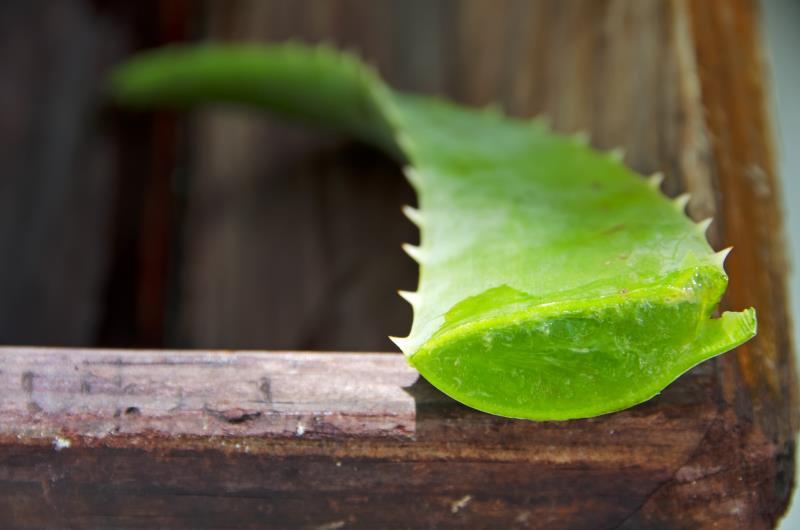
1. Aloe Vera (Aloe barbadensis miller) Gel
Traditionally used for centuries to soothe burns and skin irritations, Aloe Vera is an excellent first-line herbal remedy for blisters. Its cooling gel provides immediate relief and supports tissue repair.
- Mechanism of Action: Aloe Vera gel contains polysaccharides, such as acemannan, which research suggests can accelerate wound healing by stimulating cellular repair. Furthermore, its anti-inflammatory compounds, like glycoproteins, may help reduce the redness and swelling associated with blisters.
- How to Use: Apply a thin layer of pure, high-quality Aloe Vera gel (free from alcohol and artificial colors) directly to an intact or recently broken (but clean) blister. Allow it to air dry before covering with a sterile bandage. Reapply 2-3 times daily.
2. Calendula (Calendula officinalis) Cream or Salve
Calendula, or pot marigold, is a classic wound-healing herb recognized by authoritative bodies like the German Commission E for its topical benefits. It is particularly useful once a blister has broken to prevent infection and encourage new skin growth.
- Mechanism of Action: Studies indicate that the triterpenoids and flavonoids in Calendula possess significant anti-inflammatory properties. Moreover, Calendula exhibits mild antimicrobial activity and is believed to promote granulation—the formation of new connective tissue and blood vessels in a healing wound.
- How to Use: After cleaning a broken blister, apply a small amount of Calendula cream or salve to the raw skin. Cover with a bandage. Use 1-2 times per day until the skin has fully healed.
3. St. John’s Wort (Hypericum perforatum) Infused Oil
While widely known for its internal use, St. John’s Wort infused oil is a traditional remedy for nerve pain, inflammation, and wound healing when applied topically. Its properties make it suitable for painful, irritated blisters.
- Mechanism of Action: The key constituent, hyperforin, has demonstrated antibacterial and anti-inflammatory effects in laboratory studies. The oil is particularly noted for soothing nerve endings, which can help reduce the sharp pain of a raw blister.
- How to Use: Apply a few drops of the red-hued oil to the affected area and cover. Use sparingly once or twice a day.
Administration Protocol and Safety Limits
Proper application is key to achieving benefits while minimizing risks. Always use clean hands or a sterile applicator when treating a blister.
| Remedy | Application Method | Frequency & Duration |
|---|---|---|
| Aloe Vera Gel | Apply a thin layer of pure gel to a clean, intact or deroofed blister. | 2-3 times daily for up to 7 days. |
| Calendula Cream/Salve | Apply a small amount to a clean, broken blister to aid healing and prevent infection. | 1-2 times daily until the new skin is no longer raw. |
| St. John’s Wort Oil | Apply a few drops to the affected area, especially if nerve pain is present. | 1-2 times daily for up to 5 days. Discontinue if irritation occurs. |
Specific Biological Limitation
Photosensitivity with St. John’s Wort: The compound hypericin, found in St. John’s Wort, can increase the skin’s sensitivity to sunlight (photosensitivity), potentially leading to sunburn or rashes. Although this risk is much higher with internal consumption, it is wise to keep areas treated with St. John’s Wort oil covered and protected from direct sun exposure.
Contraindications and Precautions
Even natural remedies require careful use. Always perform a patch test on a small area of skin before applying any new product to a blister.
- Allergies: Individuals with allergies to the Asteraceae/Compositae family (e.g., ragweed, daisies, marigolds) may react to Calendula. Similarly, those allergic to plants in the Liliaceae family (e.g., garlic, onions) might be sensitive to Aloe Vera.
- Pregnancy and Breastfeeding: While topical use is generally considered safe for short periods, consult a healthcare provider before using any herbal product during pregnancy or while breastfeeding.
- When to Stop Immediately: Discontinue use and consult a doctor if you see signs of infection, such as increased pain, pus, red streaks leading away from the blister, or fever.
Therapeutic Alternatives
If the recommended herbs are unsuitable or unavailable, consider these validated options:
- Hydrocolloid Bandages: These are highly effective pharmacological options available over-the-counter. They create a moist, cushioned environment that promotes healing, reduces pain, and acts as a “second skin.”
- Witch Hazel (Hamamelis virginiana): For a blister that has popped and is weeping, applying a small amount of witch hazel extract on a cotton pad can help. Its astringent tannins can gently dry the area and reduce inflammation.
- Plantain (Plantago major) Salve: As an alternative to Calendula, a salve made from Plantain leaf is another traditional wound-healing remedy known for its soothing and anti-inflammatory properties.
Recent Medical Research (2020-2026)
Modern science continues to validate the traditional uses of these botanicals for skin health. For instance, a 2022 review published in the journal Molecules reaffirmed the wound-healing mechanisms of Aloe vera, highlighting its ability to modulate inflammation and stimulate collagen production. Similarly, research continues to explore the synergistic effects of compounds in Calendula officinalis for dermatological applications, confirming its value in phytotherapy.
However, research on friction blisters specifically is less common than on general wounds or burns. Most evidence is extrapolated from these broader studies, and more clinical trials focused on blisters are needed.
Specialist’s Summary
Aloe Vera and Calendula are primary, evidence-supported botanicals for soothing and healing friction blisters. Aloe Vera is ideal for cooling intact blisters, while Calendula excels at protecting broken skin and promoting repair. Always prioritize clean, sterile first aid before applying any remedy, and be aware of potential allergies or, in the case of St. John’s Wort, photosensitivity. If signs of infection appear, professional medical care is essential.
Frequently Asked Questions
Can I put Aloe Vera from the plant directly on my blister?
Yes, but with caution. The pure inner gel is beneficial. However, you must avoid the yellow latex (aloin) found just under the leaf’s rind, as it can be very irritating to the skin. It is often safer to use a commercially prepared, purified Aloe Vera gel.
Which is better for a popped blister: Calendula or Aloe Vera?
For a popped, raw blister, Calendula is generally preferred. Its antimicrobial and tissue-regenerative properties are ideal for protecting the vulnerable skin underneath and encouraging it to heal without infection. Aloe is better for cooling and soothing intact or minimally broken skin.
Are there any herbs I should absolutely avoid on blisters?
Yes. Avoid applying potent, irritating substances like raw garlic, onion, or undiluted essential oils (like tea tree or oregano oil). These can cause chemical burns, worsen inflammation, and damage the delicate skin, thereby delaying healing and increasing infection risk.
Sources and References
- López-Jornet, P., et al. (2022). Efficacy of Aloe Vera in the Treatment of Oral Mucous Membrane Diseases: A Systematic Review. Molecules, 27(5), 1583.
- Arora, D., Rani, A., & Sharma, A. (2013). A review on phytochemistry and ethnopharmacological aspects of genus Calendula. Pharmacognosy Reviews, 7(14), 179–187.
- European Medicines Agency (EMA). Community herbal monograph on Calendula officinalis L., flos.
⚠️ Important Medical Information
This article is for educational and informational purposes only and is not intended as medical advice, diagnosis, or treatment. The information provided about Aloe Vera, Calendula, and other botanicals is based on traditional use, preliminary research, and available scientific evidence, which may be limited.
Before using any herbal remedy:
- Consult a qualified healthcare provider, especially if you are pregnant, breastfeeding, taking medications, or have existing health conditions like diabetes or poor circulation.
- Do not use as a substitute for prescribed medications or professional medical treatment.
- Individual results may vary – what works for one person may not work for another.
- Monitor for adverse reactions and discontinue use if negative symptoms like a rash, increased pain, or irritation occur.
Regulatory status: These herbal remedies are considered traditional remedies or ingredients in cosmetic/supplement products and have not been evaluated by the FDA for treating, curing, or preventing any disease.



