Natural Relief for Cracked Heels: An Evidence-Based Guide
Cracked heels, medically known as heel fissures, are a common foot problem resulting from excessively dry and thickened skin (xerosis and hyperkeratosis). While often a cosmetic issue, deep fissures can become painful and may even lead to infection if left unaddressed. Fortunately, several evidence-based phytotherapeutic remedies can help moisturize, soften, and support the healing process of the skin.
This guide provides a specialist’s perspective on safe and effective natural approaches, moving beyond simple home recipes to explain the science behind them.
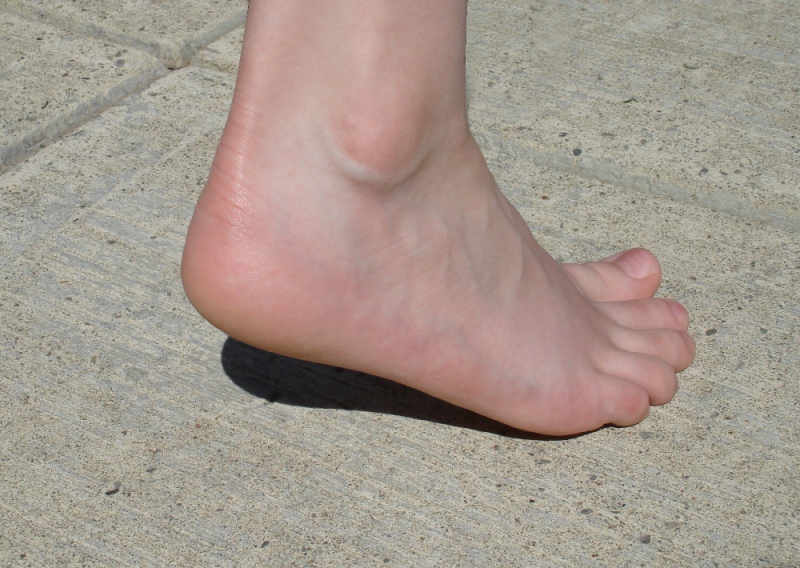
Evidence-Based Phytotherapy for Heel Fissures
Instead of relying on remedies with limited support, we will focus on ingredients with documented moisturizing, antimicrobial, and skin-healing properties.
1. Medical-Grade Honey for Moisturization and Healing
Mechanism of Action: Honey is a potent natural humectant, meaning it draws moisture from the air into the skin. Furthermore, its low pH, high sugar concentration, and enzymatic production of hydrogen peroxide give it significant antimicrobial properties. According to research published in journals like Wounds, medical-grade honey supports wound healing by creating a moist, protective barrier and reducing the risk of infection.
Application Method:
- Honey Foot Soak: Dissolve one cup of raw or medical-grade honey into a basin of lukewarm water. Soak your feet for 20 minutes. The honey will help soften the hard skin, making it easier to gently exfoliate with a pumice stone afterward.
- Overnight Honey Salve: After soaking and gently drying your feet, apply a thick layer of honey directly to the cracked heels. Cover with a clean cloth or wear a pair of old cotton socks and leave it on overnight. Rinse with warm water in the morning.
2. Emollient and Occlusive Plant Oils
Mechanism of Action: Many skin issues, including cracked heels, stem from a compromised skin barrier that cannot retain moisture. Plant oils act as emollients (softening the skin) and occlusives (forming a protective layer to prevent water loss). Oils rich in specific fatty acids are particularly beneficial.
- Coconut Oil (Cocos nucifera): Rich in lauric acid, coconut oil has demonstrated antimicrobial and anti-inflammatory properties. Its emollient nature helps fill the gaps between skin cells, creating a smoother surface.
- Olive Oil (Olea europaea): Contains oleic acid, linoleic acid, and antioxidants like vitamin E, which nourish the skin and support barrier function.
Application Method:
- First, wash your feet with lukewarm water and pat them dry, leaving them slightly damp.
- Next, generously massage a high-quality, cold-pressed vegetable oil (such as coconut or olive oil) into your heels and surrounding skin until it is well absorbed.
- Finally, put on a pair of clean cotton socks to lock in the moisture and protect your bedding. For best results, leave it on overnight.
3. Calendula-Infused Oil for Skin Regeneration
Mechanism of Action: Calendula (Calendula officinalis) is a well-regarded vulnerary herb, meaning it aids in wound healing. Official monographs from the European Medicines Agency (EMA) recognize its traditional use for minor skin inflammation and wound healing. Its flavonoids and triterpenoids are believed to stimulate collagen production and epithelial cell growth, which is crucial for repairing cracked skin.
Application Method:
- Gently massage a high-quality calendula-infused oil or salve into the affected heels two to three times per day.
- Focus on clean, dry skin. Calendula is particularly useful for soothing the redness and irritation associated with deeper fissures.
Administration Protocol and Safety Limits
For topical phytotherapy to be effective and safe, consistency and proper protocol are key.
- Treatment Duration: Apply these remedies daily for 7-14 days. If you see improvement, you can switch to a maintenance routine of 2-3 times per week.
- Mandatory Break: If no improvement is observed after 14 days of consistent use, it is crucial to stop and consult a healthcare provider (podiatrist or dermatologist) to rule out underlying conditions.
- Maximum Dose: These remedies are for external use. Apply a liberal layer sufficient to cover the affected area. There is no defined maximum topical dose, but discontinue use if any irritation occurs.
- Administration Condition: For maximum absorption, always apply oils, masks, or salves to clean, slightly damp skin, preferably after a bath or foot soak. Wearing cotton socks afterward enhances the occlusive effect.
Specific Biological Limitation
Underlying Medical Conditions: Topical remedies primarily address the symptom of dry, cracked skin. However, they cannot resolve underlying medical causes. Heel fissures can be a symptom of conditions such as:
- Diabetes: Poor circulation and neuropathy can lead to dry skin and increase the risk of infection from fissures.
- Fungal Infections: Conditions like athlete’s foot can cause severe drying and cracking.
- Psoriasis and Eczema: These inflammatory skin conditions often manifest on the feet.
- Hypothyroidism: An underactive thyroid can cause systemic skin dryness.
Therefore, if your cracked heels are severe, painful, bleeding, or do not improve with home care, a medical diagnosis is essential.
Contraindications and Precautions
Absolute Contraindications (FORBIDDEN):
- Infected Fissures: Do not apply any home remedy to fissures that are red, swollen, weeping, or showing signs of infection. Seek immediate medical attention.
- Deep, Bleeding Fissures: Open wounds require sterile medical care to prevent infection and promote proper healing.
- Known Allergies: Do not use any ingredient to which you have a known allergy (e.g., honey, coconut, or plants from the Asteraceae family like calendula). Always perform a patch test on a small area of skin first.
Vulnerable Populations:
- Individuals with Diabetes: Due to the high risk of diabetic foot ulcers and infections, self-treatment of cracked heels is strongly discouraged. Always consult a podiatrist for foot care.
- Pregnancy and Breastfeeding: While topical application of these ingredients is generally considered safe, it is always best to consult a healthcare provider before starting any new treatment.
Therapeutic Alternatives
If the suggested remedies are not suitable or effective, consider these validated alternatives.
- Botanical Alternatives:
- Shea Butter (Vitellaria paradoxa): An excellent emollient rich in vitamins A and E and fatty acids. It forms a strong protective barrier and deeply moisturizes the skin.
- Cocoa Butter (Theobroma cacao): A solid, stable fat that is highly occlusive, making it exceptional for preventing moisture loss from very dry, thick skin.
- Pharmacological Options:
- Urea-based creams (10-25%): Urea is a keratolytic (it breaks down thick skin) and a powerful humectant. It is highly effective for severe hyperkeratosis.
- Salicylic Acid or Alpha-Hydroxy Acid (AHA) lotions: These act as chemical exfoliants to help shed the thick, dead layers of skin.
Recent Medical Research (2020-2026)
Modern research continues to validate the traditional use of these natural ingredients for skin health.
- A 2022 systematic review published in the Journal of Tissue Viability reaffirmed the efficacy of medical-grade honey in promoting the healing of various skin wounds by reducing inflammation and fighting microbial growth.
- Research in the International Journal of Molecular Sciences (2021) highlighted the importance of topical lipids, like those found in olive and coconut oil, in repairing the skin’s barrier function and reducing transepidermal water loss (TEWL).
Current Limitations: While evidence for individual ingredients is strong, high-quality clinical trials directly comparing these specific herbal remedies for the sole purpose of treating cracked heels are limited. Most evidence is extrapolated from wound healing and skin barrier research.
Specialist’s Summary
Phytotherapeutic remedies like honey, coconut oil, and calendula offer a safe and effective approach for managing mild to moderate cracked heels by moisturizing, protecting, and healing the skin. These treatments are most effective when applied consistently to clean, damp skin. However, they are contraindicated for individuals with diabetes or infected fissures, who require professional medical care. If symptoms persist beyond two weeks, consulting a healthcare provider is essential to address potential underlying causes.
Frequently Asked Questions
1. How long does it take for natural remedies to improve cracked heels?
With daily application, you may notice an improvement in skin softness and a reduction in discomfort within 3-5 days. Significant healing of deeper cracks may take 2-3 weeks. Consistency is the most important factor.
2. Can I use lemon juice on my cracked heels?
While lemon juice contains citric acid (an AHA) that can exfoliate, it is highly acidic and can cause significant stinging, irritation, and dryness, especially in open fissures. Gentler, more hydrating options like the ones listed in this article are safer and more effective.
3. What is the difference between a humectant and an emollient?
A humectant (like honey or glycerine) pulls moisture into the skin. An emollient (like coconut oil or shea butter) softens the skin and fills in cracks. An occlusive (also oils and butters) forms a physical barrier to prevent that moisture from escaping. For cracked heels, a combination of these actions is ideal.
4. Are these remedies safe for children?
For children over one year of age, topical application of honey, coconut oil, and calendula is generally considered safe. However, do not use honey on infants under 12 months due to the risk of botulism, even topically. Always perform a patch test first and consult a pediatrician for persistent skin issues.
Sources and References
- European Medicines Agency (EMA). (2018). Community herbal monograph on Calendula officinalis L., flos.
- Mandal, S., & DebMandal, M. (2022). Honey: a potential therapeutic agent for managing wound healing. Journal of Tissue Viability.
- Lin, T. K., Zhong, L., & Santiago, J. L. (2021). Anti-Inflammatory and Skin Barrier Repair Effects of Topical Application of Some Plant Oils. International Journal of Molecular Sciences.
⚠️ Important Medical Information
This article is for educational and informational purposes only and is not intended as medical advice, diagnosis, or treatment. The information provided about natural remedies for cracked heels is based on traditional use, preliminary research, and available scientific evidence, which may be limited.
Before using these remedies:
- Consult a qualified healthcare provider (such as a podiatrist or dermatologist), especially if you are pregnant, breastfeeding, taking medications, or have existing health conditions like diabetes.
- Do not use as a substitute for prescribed medications or professional medical treatment for underlying conditions.
- Individual results may vary – what works for one person may not work for another.
- Monitor for adverse reactions and discontinue use if negative symptoms like redness, itching, or worsening cracks occur.



