Turmeric and Saffron Golden Milk: Benefits for Mood and Inflammation
This traditional Ayurvedic beverage, often called “Golden Milk” or *Haldi Doodh*, has been used for centuries in Indian households as a comforting wellness tonic. By combining the potent properties of turmeric and saffron with milk, this drink offers a range of potential health benefits, particularly for managing inflammation and supporting mood.
However, while traditional wisdom provides a strong foundation, modern science helps us understand how to use these botanicals effectively and safely. This article, written from a phytotherapy perspective, explores the evidence-based benefits, provides a therapeutic recipe, and outlines crucial safety protocols for consuming turmeric and saffron milk.
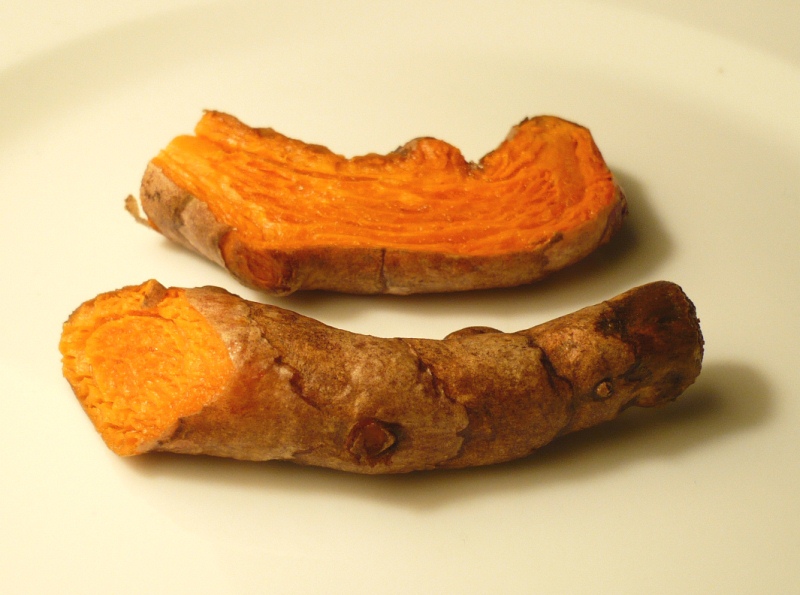
The Science Behind the Key Ingredients
The efficacy of this beverage stems from the bioactive compounds within its main ingredients. Understanding their mechanisms of action is key to using them responsibly.
Turmeric (Curcuma longa)
Turmeric’s vibrant color and health benefits come from a group of compounds called curcuminoids, with curcumin being the most active and well-researched. For instance, curcumin is known for its potent anti-inflammatory properties. It works by helping to modulate inflammatory pathways in the body, such as inhibiting the activity of NF-κB, a molecule that triggers inflammation.
Furthermore, research published in journals like Foods suggests that curcumin’s antioxidant capabilities may help neutralize free radicals, which are unstable molecules that can cause cellular damage. This dual action makes it a subject of interest for supporting joint health and overall wellness.
Crucial Note on Absorption: Curcumin is poorly absorbed by the body on its own. Therefore, to enhance its bioavailability, it should always be consumed with two key elements:
- A source of fat: As curcumin is fat-soluble, the milk in this recipe (dairy or plant-based) serves as an effective carrier.
- Piperine: This compound, found in black pepper, can increase curcumin absorption by up to 2,000%, according to numerous studies.
Saffron (Crocus sativus)
Saffron is more than just a prized culinary spice; it has been traditionally used to support emotional well-being. Its primary active compounds, crocin and safranal, are believed to influence neurotransmitter levels in the brain, including serotonin.
Additionally, clinical trials have investigated saffron’s potential as a complementary therapy for mild-to-moderate depression and anxiety. A 2021 meta-analysis in the Journal of Affective Disorders found that saffron supplementation had a significant positive effect on depressive symptoms compared to a placebo. However, it is not a replacement for prescribed medical treatment.
How to Prepare Therapeutic Golden Milk with Saffron
This recipe is designed for both taste and therapeutic effect. Gently heating the ingredients helps infuse the flavors and may improve the solubility of the active compounds.
Ingredients:
- 1 cup (240 ml) of milk (dairy or an unsweetened plant-based milk like almond, coconut, or cashew)
- 1/2 to 1 teaspoon of organic turmeric powder
- A pinch of freshly ground black pepper (essential for absorption)
- 5-7 strands of high-quality saffron
- 1/4 teaspoon of cinnamon powder (optional, for flavor and blood sugar support)
- 1/2 teaspoon of raw honey or maple syrup (add after heating)
Preparation Instructions:
- Pour the milk into a small saucepan and place it over medium-low heat.
- Add the turmeric powder, black pepper, saffron strands, and cinnamon (if using).
- Whisk continuously as you gently heat the mixture. Do not allow it to boil, as high heat can degrade some beneficial compounds.
- Heat for 3-5 minutes, until the milk is warm and the ingredients are well combined.
- Remove from the heat and let it cool slightly before stirring in the honey or maple syrup.
- Serve warm, ideally in the evening to promote relaxation.
Administration Protocol and Safety Limits
To use this beverage effectively and safely, it is crucial to adhere to specific guidelines regarding dosage and duration.
| Protocol | Guideline |
|---|---|
| Maximum Daily Dose | One cup of this beverage per day is generally considered safe for healthy adults. This provides approximately 1-2 grams of turmeric and a safe amount of saffron. |
| Treatment Duration | For therapeutic use, consume daily for 3-4 weeks. |
| Mandatory Break | After a 3-4 week cycle, take a mandatory break of at least 1-2 weeks to allow the body to reset and prevent potential buildup or side effects. |
| Administration Condition | Consume after a meal or in the evening to minimize the risk of gastrointestinal upset and leverage its calming properties. |
Specific Biological Limitation
Turmeric’s Effect on Blood Clotting and Bile Flow: Turmeric contains compounds that exhibit anti-platelet activity, meaning they can slow blood clotting. While this may be beneficial for some, it becomes dangerous for individuals with bleeding disorders or those taking anticoagulant medications. Furthermore, turmeric stimulates bile production, which can cause severe pain and complications in people with gallstones or bile duct obstruction.
Saffron’s Uterine-Stimulant Effect: In high doses, saffron can act as a uterine stimulant. This property makes it unsafe for consumption during pregnancy, as it could potentially induce contractions or other complications.
Contraindications and Precautions
Before incorporating this beverage into your routine, it is essential to review the following contraindications.
Absolute Contraindications (Do NOT Consume If You Have):
- Bleeding Disorders: Turmeric’s blood-thinning properties can increase the risk of bleeding.
- Gallbladder Disease: Avoid if you have gallstones or a bile duct obstruction.
- Upcoming Surgery: Stop consumption at least two weeks before any scheduled surgery to prevent excessive bleeding.
Vulnerable Populations:
- Pregnancy: Saffron is contraindicated due to its uterine-stimulant effects. Turmeric in culinary amounts is generally safe, but therapeutic doses should be avoided.
- Breastfeeding: There is insufficient data on safety. Consult a healthcare provider before use.
- Children: Not recommended for children under 6. For older children, use a much smaller dose (e.g., 1/4 teaspoon of turmeric) and consult a pediatrician.
Major Drug Interactions:
- Anticoagulants (e.g., Warfarin, Aspirin): Turmeric can amplify their effects, significantly increasing the risk of bleeding and bruising.
- Diabetes Medications: Turmeric may lower blood sugar levels, potentially leading to hypoglycemia when combined with medication.
- Antidepressants (SSRIs): Saffron may interact with these medications. Consult your doctor before combining them.
Therapeutic Alternatives
If Golden Milk with Saffron is not suitable for you, other botanicals offer similar benefits with different safety profiles.
- For Inflammation and Joint Support: Boswellia (Boswellia serrata), also known as Indian Frankincense, is a powerful anti-inflammatory herb that works through a different mechanism (inhibiting leukotrienes). It is often combined with turmeric for a synergistic effect but can also be used alone.
- For Mood Support and Relaxation: Lemon Balm (Melissa officinalis) is a gentle nervine traditionally used to ease anxiety, calm the mind, and promote sleep. It can be consumed as a tea and has an excellent safety profile.
- For Digestive and Anti-Inflammatory Benefits: Ginger (Zingiber officinale) is a warming spice that aids digestion and possesses significant anti-inflammatory properties. It can be made into a tea or added to milk as an alternative to turmeric.
Recent Medical Research (2020-2026)
Modern research continues to validate and refine our understanding of these ancient remedies.
- A 2021 review in Nutrients highlighted the extensive evidence supporting curcumin’s role in managing oxidative and inflammatory conditions, while also emphasizing the ongoing challenge of improving its bioavailability for clinical applications.
- A 2021 meta-analysis confirmed saffron’s efficacy in improving symptoms of depression and anxiety, suggesting it as a promising complementary treatment, though more large-scale trials are needed.
Current Limitations: While promising, much of the research uses standardized extracts of curcumin or saffron, which are more concentrated than what is found in a single cup of Golden Milk. Therefore, the effects of the beverage should be considered supportive and gentle, not as a replacement for medical treatment.
Specialist’s Summary
Turmeric and Saffron Golden Milk is a useful wellness beverage for supporting the body’s response to inflammation and promoting a balanced mood, with gentle effects that appear with consistent use. However, it is strongly contraindicated for individuals with bleeding disorders, gallbladder issues, or those on anticoagulant medications. Validated alternatives for inflammation include Boswellia and Ginger, while Lemon Balm is an excellent option for mood support.
Frequently Asked Questions
1. How long does it take for turmeric milk to work?
For acute issues like soothing a sore throat, the effect can be immediate. For chronic inflammation or mood support, consistent daily use for at least 2-4 weeks is typically necessary to notice potential benefits.
2. Can I drink golden milk every day?
It is generally safe for most healthy adults to drink one cup daily, but it is best used in cycles. A common protocol is to drink it daily for 3-4 weeks, followed by a 1-2 week break to prevent any potential adverse effects from long-term, uninterrupted use.
3. Why is black pepper essential in turmeric milk?
Black pepper contains piperine, a compound that dramatically increases the body’s ability to absorb curcumin from turmeric. Without it, most of the curcumin passes through your digestive system without being utilized, significantly reducing the drink’s therapeutic potential.
4. Is this drink safe during pregnancy?
No, it is not recommended. Saffron in therapeutic doses is contraindicated during pregnancy due to its potential to stimulate uterine contractions. Always consult your healthcare provider before using any herbal remedies while pregnant.
Sources and References
- Hewlings, S. J., & Kalman, D. S. (2017). Curcumin: A Review of Its Effects on Human Health. Foods, 6(10), 92. Available at: MDPI Foods
- Lopresti, A. L., & Smith, S. J. (2021). The Effects of a Saffron Extract (affron®) on Menopausal Symptoms in Women during Perimenopause: A Randomised, Double-Blind, Placebo-Controlled Study. Journal of Menopausal Medicine, 27(2), 66–78.
- World Health Organization (WHO). (1999). WHO Monographs on Selected Medicinal Plants – Volume 1. Rhizoma Curcumae Longae. Available at: WHO Monographs
⚠️ Important Medical Information
This article is for educational and informational purposes only and is not intended as medical advice, diagnosis, or treatment. The information provided about Turmeric and Saffron is based on traditional use, preliminary research, and available scientific evidence, which may be limited.
Before using Turmeric and Saffron:
- Consult a qualified healthcare provider, especially if you are pregnant, breastfeeding, taking medications, or have existing health conditions like gallbladder disease or bleeding disorders.
- Do not use as a substitute for prescribed medications or professional medical treatment.
- Individual results may vary – what works for one person may not work for another.
- Monitor for adverse reactions and discontinue use if negative symptoms occur.



