Pomegranate Peel for Stomach Ulcer Support: Benefits and Safe Use
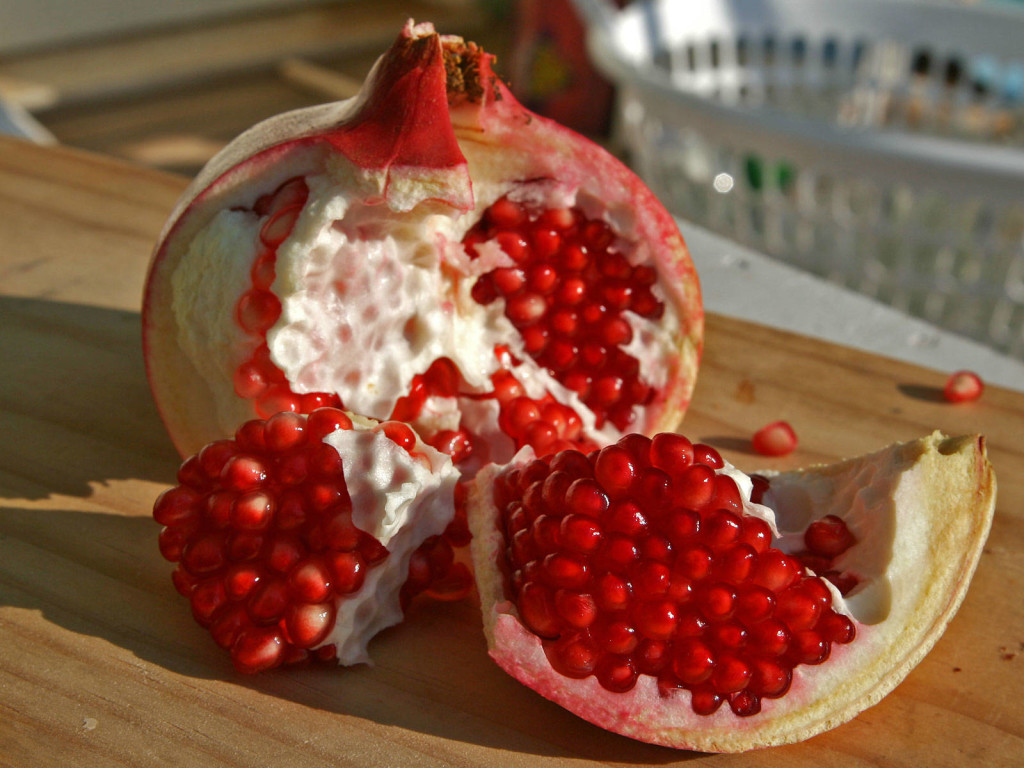
While many discard the peel of the pomegranate, traditional medicine systems have long valued it for its potent properties. Historically, preparations from dried pomegranate peel have been used to address various digestive complaints, including stomach ulcers and intestinal infections. Modern science is now beginning to investigate these traditional uses, focusing on the peel’s rich concentration of bioactive compounds.
However, it is crucial to understand that while pomegranate peel may offer supportive benefits for gastric health, it is not a cure or a substitute for conventional medical treatment for conditions like peptic ulcers, which require proper diagnosis and care from a healthcare professional.
How Pomegranate Peel May Support Gastric Health
The potential benefits of pomegranate peel for the digestive system are primarily attributed to its high concentration of polyphenols, particularly tannins like punicalagin and ellagic acid. Research suggests these compounds may work through several mechanisms:
- Antimicrobial Activity: Several in-vitro studies have investigated the effect of pomegranate peel extract against Helicobacter pylori, the bacterium responsible for the majority of stomach ulcers. For instance, a study published in Food & Function in 2023 explored how these extracts could work alongside standard antibiotics, suggesting a potential complementary role.
- Anti-inflammatory Effects: Chronic inflammation contributes to the formation and persistence of gastric ulcers. The polyphenols in the peel have demonstrated significant anti-inflammatory properties, which may help soothe the gastric lining.
- Antioxidant Protection: Furthermore, these compounds act as powerful antioxidants, helping to protect the stomach’s mucosal cells from damage caused by oxidative stress, a key factor in ulcer development.
- Astringent Properties: The high tannin content gives the peel an astringent quality, which traditionally was believed to help tighten and protect irritated tissues in the digestive tract.
A Traditional Tea Preparation
A traditional remedy involves creating a strong infusion from dried pomegranate peels. It is important to use peels from organically grown pomegranates to avoid pesticide residues. Always wash fresh pomegranates thoroughly before peeling and drying the skin.
Ingredients:
- 1-2 teaspoons (approx. 2-4 grams) of finely broken, dried pomegranate peel
- 250 ml (approx. 1 cup) of boiling water
Instructions:
- Place the dried peel pieces into a heatproof mug or pot.
- Pour the boiling water over the peels.
- Cover and let the mixture steep for 20-30 minutes. The resulting liquid will be bitter and astringent.
- The tea can be consumed warm. It is traditionally consumed without straining to maximize contact with the peel’s compounds.
Note: Some traditional recipes use a much higher ratio of 10-12 grams of peel to 200 ml of water. This creates a very potent decoction that should only be used with extreme caution and under professional guidance due to the high risk of side effects.
Administration Protocol and Safety Limits
If you choose to use pomegranate peel tea, adhering to strict safety protocols is essential to minimize risks.
| Parameter | Safety Guideline |
| Treatment Duration | Use for a maximum of 7-10 days continuously. |
| Mandatory Break | Take a break of at least 14 days between treatment cycles to allow the digestive system to recover. |
| Maximum Daily Dose | Do not exceed 5 grams of dried peel per day for a healthy adult unless advised by a qualified herbalist. |
| Administration Timing | To avoid potential stomach irritation from the tannins, it is best consumed 30 minutes after a meal, not on an empty stomach. |
A traditional dosing schedule involves drinking the tea on alternate days (e.g., day 1, 3, 5, 7) to reduce the cumulative effect of the tannins. This approach may help minimize side effects like constipation.
Specific Biological Limitation
The primary limitation of pomegranate peel is its exceptionally high tannin content. While tannins are responsible for some of its therapeutic effects, they can also pose risks. Tannins bind to proteins and can interfere with the absorption of essential nutrients, including iron and other minerals, if used long-term. Additionally, this binding action can lead to significant constipation and, in sensitive individuals, may cause gastric irritation or nausea.
Contraindications and Precautions
Before considering pomegranate peel, you must be aware of the following contraindications.
Absolute Contraindications (Do Not Use):
- Pregnancy and Breastfeeding: There is insufficient safety data. The potent compounds could pose risks, so it should be strictly avoided.
- Pomegranate Allergy: Individuals with a known allergy to pomegranates should not use the peel.
- Chronic Constipation or Gastroparesis: The astringent tannins can severely worsen constipation.
Major Drug Interactions:
- Antihypertensive Medications: Pomegranate may lower blood pressure. Combining it with blood pressure medication could lead to hypotension (abnormally low blood pressure).
- Anticoagulants (e.g., Warfarin): There is some evidence that pomegranate can affect blood clotting, potentially altering the effects of these drugs.
- CYP2C9 Substrate Drugs: Pomegranate may inhibit the CYP2C9 enzyme, affecting the metabolism of various medications. Consult your pharmacist or doctor.
Documented Adverse Effects:
- Common: Constipation, stomach discomfort, nausea.
- Rare: Allergic reactions, including itching or swelling.
Stop use immediately if you experience severe abdominal pain, vomiting, or signs of an allergic reaction.
Therapeutic Alternatives
If pomegranate peel is not suitable for you, other botanicals with better safety profiles and more robust clinical evidence are available for supporting gastric health:
- Mastic Gum (Pistacia lentiscus): This resin has a long history of use for digestive ailments and has been studied for its ability to help eradicate H. pylori and soothe the stomach lining.
- Deglycyrrhizinated Licorice (DGL): DGL is a form of licorice root that has had glycyrrhizin (a compound that can raise blood pressure) removed. It is well-regarded for its ability to protect and heal the gastric mucosa.
- Cranberry (Vaccinium macrocarpon): Research indicates that compounds in cranberries may help prevent H. pylori from adhering to the stomach wall, potentially reducing the risk of infection and ulceration.
Recent Medical Research (2020-2026)
Modern science continues to validate the traditional uses of pomegranate peel, while also clarifying its limitations.
- A 2022 study in the Journal of Ethnopharmacology on animal models found that pomegranate peel extract exhibited significant anti-ulcer activity, primarily by reducing gastric acid secretion and enhancing the protective mucosal barrier.
- A comprehensive 2021 review in the journal Molecules summarized the evidence for pomegranate’s gastroprotective and anti-H. pylori effects, concluding that its polyphenols, especially punicalagin, are the key active components. However, the authors stressed the need for well-designed human clinical trials.
Current Limitations: Most of the current evidence comes from laboratory (in-vitro) or animal studies. Therefore, large-scale human trials are still needed to confirm efficacy, establish optimal dosages, and fully understand the long-term safety profile for treating stomach ulcers.
Specialist’s Summary
Pomegranate peel is a traditional remedy with promising scientific backing for supporting digestive health, largely due to its antimicrobial and anti-inflammatory tannins. It may be considered as a short-term, complementary measure for minor gastric irritation but is not a standalone treatment for ulcers. Its use is limited by a high risk of constipation and potential drug interactions, particularly with blood pressure medications. Validated alternatives with stronger safety data include Mastic Gum and DGL Licorice.
Frequently Asked Questions
Can pomegranate peel cure an H. pylori infection or a stomach ulcer?
No. It cannot cure a diagnosed ulcer or eradicate an H. pylori infection on its own. These conditions require medical treatment, typically involving antibiotics and acid-reducing medications. Pomegranate peel should only be considered as a potential supportive agent alongside, and with the approval of, conventional medical care.
Is it safe to drink pomegranate peel tea every day?
No, daily long-term consumption is not recommended. Due to the high tannin content, which can impair nutrient absorption and cause severe constipation, it is best used for short, cyclical periods with mandatory breaks in between.
Can I use fresh pomegranate peel instead of dried?
Dried peel is traditionally preferred because the drying process concentrates the active compounds and reduces some of the moisture that could lead to mold. If using fresh peel, you would need a larger quantity, and it should be washed meticulously.
Sources and References
- Rasheed, Z., et al. (2021). Gastroprotective and Anti-Helicobacter pylori Effects of Pomegranate (Punica granatum) and Its Components. Molecules.
- Al-Zuhairy, M. H., et al. (2022). Anti-ulcer activity of Punica granatum L. peel extract in rats. Journal of Ethnopharmacology.
- Zhang, Y., et al. (2023). Synergistic effect of pomegranate peel extract and antibiotics against Helicobacter pylori. Food & Function.
⚠️ Important Medical Information
This article is for educational and informational purposes only and is not intended as medical advice, diagnosis, or treatment. The information provided about Pomegranate Peel is based on traditional use, preliminary research, and available scientific evidence, which may be limited.
Before using Pomegranate Peel:
- Consult a qualified healthcare provider, especially if you are pregnant, breastfeeding, taking medications, or have existing health conditions like a diagnosed stomach ulcer.
- Do not use as a substitute for prescribed medications or professional medical treatment. Self-treating a stomach ulcer can lead to serious complications.
- Individual results may vary – what works for one person may not work for another.
- Monitor for adverse reactions and discontinue use if negative symptoms like severe constipation or nausea occur.
Regulatory status: Pomegranate Peel is considered a traditional remedy and is not regulated by the FDA for treating, curing, or preventing any disease.




Victoria Pech