The prostate is a small, walnut-shaped gland located below the male urinary bladder, responsible for secreting prostatic fluid, a component of semen. With advancing age, particularly after 50, men become more susceptible to various prostate conditions. Understanding these issues is the first step toward effective management.

Common Prostate Conditions
Several conditions can affect the prostate gland. Importantly, proper medical diagnosis is essential to differentiate them, as symptoms can overlap.
-
- Benign Prostatic Hyperplasia (BPH): This non-cancerous enlargement of the prostate gland is extremely common in older men. Consequently, it can cause symptoms such as difficulty initiating urination, a weak stream, and a frequent urge to urinate, especially at night (nocturia).
- Prostatitis: This refers to inflammation of the prostate gland, which can be caused by a bacterial infection or other factors.
- Acute Bacterial Prostatitis: A sudden bacterial infection characterized by fever, chills, and painful urination. It requires immediate medical attention.
- Chronic Bacterial Prostatitis: A recurrent infection that often necessitates long-term antibiotic therapy under medical supervision.
-
- Chronic Pelvic Pain Syndrome (CPPS): Previously known as chronic non-bacterial prostatitis, this is the most common type of prostatitis. It causes persistent pain in the pelvic region, lower back, and genitals, often accompanied by urinary symptoms and painful ejaculation.
Conventional medical treatments for these conditions range from antibiotics and alpha-blockers to lifestyle modifications and, in some cases, surgery. Alongside these treatments, certain phytotherapeutic options have been explored for their supportive role. One such plant is Smallflower Hairy Willowherb (Epilobium parviflorum).
Validated Benefits of Smallflower Hairy Willowherb
Epilobium parviflorum, a plant native to Europe and North America, has a history of traditional use, particularly for urinary and prostate health. Modern research has begun to investigate its active compounds, such as oenothein B, flavonoids, and ellagitannins, to understand its therapeutic potential.
-
- Support for BPH Symptoms: The primary validated use of willowherb is in alleviating the lower urinary tract symptoms associated with early-stage Benign Prostatic Hyperplasia. Studies suggest its compounds may help inhibit the enzymes 5-alpha-reductase and aromatase, which are involved in prostate growth.
- Anti-inflammatory Properties: The plant exhibits significant anti-inflammatory activity. For this reason, it may help reduce the inflammation associated with non-bacterial prostatitis and CPPS, thereby easing pelvic discomfort and urinary irritation.
- Antioxidant Effects: Willowherb is rich in antioxidants that help neutralize oxidative stress. Since chronic inflammation and oxidative stress are contributing factors in the progression of prostate disorders, this action is considered beneficial.
Note: While some in vitro (laboratory) studies have explored the effects of willowherb extracts on cancer cell lines, there is currently no clinical evidence to support its use as a treatment for prostate cancer. Therefore, it must never be used as a substitute for conventional cancer therapy.
Administration Protocol and Safety Limits
Adherence to a strict protocol is crucial for both safety and efficacy when using Smallflower Hairy Willowherb.
1. Treatment Duration
-
- Standard Treatment Cycle: Consume for a maximum of 21 consecutive days.
- Mandatory Break: Follow each treatment cycle with a mandatory 7-day break. This pause helps prevent potential compound accumulation and allows the body to reset.
- Maximum Annual Treatments: Do not exceed 4-5 treatment cycles per year without a comprehensive medical evaluation.
2. Quantity and Maximum Dose
-
- Preparation: Use one level teaspoon (approximately 1.5-2 grams) of dried willowherb per 200-250 ml (about 1 cup) of boiling water.
- Maximum Daily Dose: A healthy adult should not consume more than two cups per day (totaling 400-500 ml).
- Overdose Risk: Exceeding the recommended dose does not increase benefits but significantly raises the risk of gastrointestinal upset and potential unforeseen adverse effects.
3. Administration Condition
-
- Timing: For optimal absorption, drink the infusion on an empty stomach, approximately 30 minutes before breakfast and 30 minutes before the evening meal.
- Method of Preparation: Prepare as an infusion. Pour boiling water over the herb, cover the vessel, and let it steep for 10-15 minutes. Subsequently, strain the liquid before consumption. Do not boil the herb directly, as this can degrade its delicate compounds.
- Hydration: Ensure adequate water intake (at least 1.5-2 liters) throughout the day to support kidney function and urinary flow.
Specific Biological Limitation
Hormonal Modulation: The primary mechanism of action for Smallflower Hairy Willowherb involves the inhibition of two key enzymes: 5-alpha-reductase and aromatase. 5-alpha-reductase converts testosterone into dihydrotestosterone (DHT), a more potent androgen that drives prostate growth. Aromatase converts androgens into estrogens, which also play a role in BPH pathology.
While this hormonal modulation is beneficial for managing BPH, it also constitutes a significant biological limitation. By altering androgen and estrogen pathways, the herb can potentially interfere with the body’s delicate hormonal balance. Consequently, this makes it unsuitable for individuals with hormone-sensitive conditions or those undergoing hormone-related therapies without explicit medical consent.
Contraindications and Precautions
Despite its benefits, Epilobium parviflorum is not suitable for everyone. Always prioritize safety and consult a healthcare professional before starting any new herbal regimen.
Absolute Contraindications
-
- Hormone-Sensitive Cancers: Strictly avoid use in cases of prostate cancer, breast cancer, or any other malignancy sensitive to hormonal fluctuations.
- Concurrent Hormone Therapy: Do not use alongside medications like finasteride, dutasteride, anti-androgens, or hormone replacement therapy (HRT), as interactions are likely.
Vulnerable Populations
-
- Pregnancy and Breastfeeding: Use is forbidden due to the lack of safety data and its potential hormonal effects on fetal development and the infant.
- Children and Adolescents: Not recommended for individuals under 18 years of age.
Major Drug Interactions
-
- 5-Alpha-Reductase Inhibitors (e.g., Finasteride): Willowherb may have an additive effect, potentially increasing the risk of side effects.
- Anticoagulants and Antiplatelets: While not strongly documented, its flavonoid content suggests a theoretical risk of increased bleeding. Use with caution.
Documented Adverse Effects
-
- Common: Generally well-tolerated. Mild gastrointestinal discomfort or nausea may occur in sensitive individuals.
- When to Stop Immediately: Discontinue use if you experience any signs of an allergic reaction (rash, itching) or persistent digestive upset.
Therapeutic Alternatives
If Smallflower Hairy Willowherb is not appropriate for you, several other well-researched options are available for supporting prostate health.
Botanical Alternatives with Studies
-
- Saw Palmetto (Serenoa repens): This is one of the most extensively studied herbs for BPH. Its extract is known to inhibit 5-alpha-reductase and has anti-inflammatory effects, helping to improve urinary flow and reduce nocturia.
- Nettle Root (Urtica dioica): Often used in combination with Saw Palmetto, nettle root helps manage BPH symptoms. It is believed to work by binding to sex hormone-binding globulin (SHBG), which may prevent it from binding to the prostate.
Pharmacological Options
-
- Medical consultation is necessary to determine the appropriate course of action, which may include prescription medications such as alpha-blockers (e.g., Tamsulosin) or 5-alpha-reductase inhibitors (e.g., Finasteride).
Note: Each alternative has its own distinct profile of contraindications and potential side effects.
Recent Medical Research (2020-2026)
Recent scientific inquiry continues to validate the traditional uses of Epilobium species while clarifying their mechanisms.
-
- A 2022 review published in the journal Plants confirmed that oenothein B, the main ellagitannin in Epilobium, is the primary compound responsible for its 5-alpha-reductase and aromatase inhibitory effects.
- Research continues to focus on standardizing extracts to ensure consistent dosage and efficacy, which remains a limitation of using raw herbal preparations.
Current Limitations
The primary gap in current knowledge is the lack of large-scale, long-term human clinical trials. Most evidence comes from traditional use, in vitro studies, or smaller clinical investigations. Therefore, its role is considered supportive or adjunctive, not curative.
How to Choose Quality Willowherb
The therapeutic quality of the herb depends heavily on its harvesting, drying, and storage.
| Criterion | Description |
|---|---|
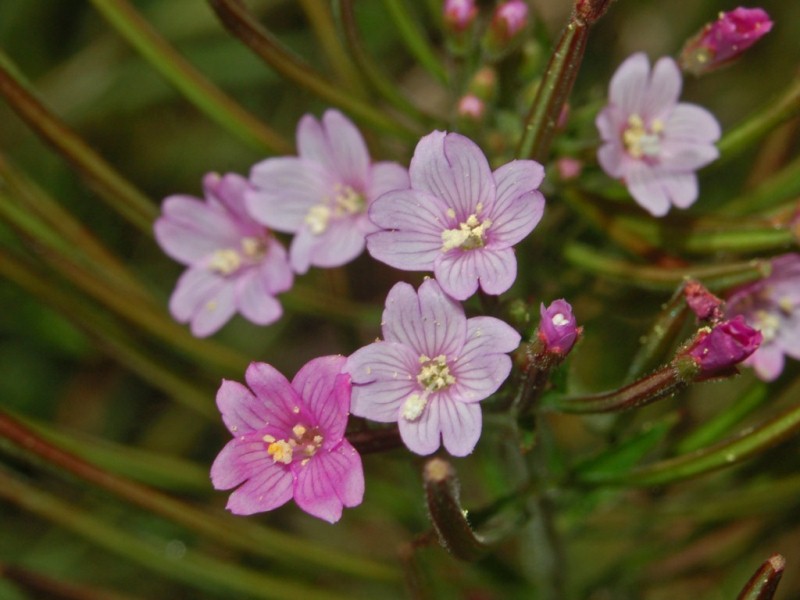
| Visual Appearance | Look for a mix of leaves, stems, and small pinkish flowers. The color should be a natural green and pink, not brown or yellow, which indicates age or improper storage. Avoid products that are mostly dust or powder. |
| Aroma | A quality product will have a faint, herbaceous, slightly hay-like scent. A lack of aroma or a musty smell suggests it is old and has lost its volatile compounds. |
| Source | Purchase from reputable suppliers such as pharmacies, certified herbal apothecaries, or trusted organic stores. Avoid products without clear labeling of the species (*Epilobium parviflorum*) and origin. |
| Form | Loose, dried herb is generally superior to commercial tea bags, which may contain lower-quality, powdered material with reduced potency. |
Quick Guide: Smallflower Hairy Willowherb Safety
| Category | Details |
|---|---|
| ❌ Who should AVOID | • Individuals with hormone-sensitive cancers • Patients on hormone therapy • Pregnant or breastfeeding women • Children under 18 |
| 📊 Maximum safe dose | • Adults: 2 cups per day (approx. 400-500 ml total) • Treatment duration: 21 consecutive days • Mandatory break: 7 days between cycles |
| 🚨 ALARM signs | • Skin rash or itching (allergic reaction) • Persistent nausea or stomach upset • Any unexpected worsening of symptoms |
| 💊 Major interactions | • 5-alpha-reductase inhibitors (Finasteride, Dutasteride) • Hormone Replacement Therapy (HRT) and anti-androgens |
| ⏱️ When to consult a doctor | IMMEDIATELY if alarm signs appear OR If there is no improvement in urinary symptoms after one full 21-day cycle. |
💡 Golden rule: Never self-diagnose prostate problems. Always seek a definitive diagnosis from a urologist before considering any herbal supplement.
Specialist’s Summary
Smallflower Hairy Willowherb (Epilobium parviflorum) is a useful phytotherapeutic adjunct for managing lower urinary tract symptoms associated with early-stage BPH, with mild to moderate effects that may appear after several weeks of consistent use. It is strictly contraindicated in cases of hormone-sensitive cancers and interacts significantly with hormone-based medications. Validated botanical alternatives include Saw Palmetto and Nettle Root.
Frequently Asked Questions
Can Smallflower Hairy Willowherb cure BPH?
No. There is no evidence that it can cure or reverse BPH. Its role is to help manage and alleviate symptoms, such as frequent urination and weak stream, particularly in the early stages of the condition. It should be seen as a supportive measure, not a cure.
How long does it take to see results from willowherb tea?
Effects are not immediate. Most individuals may begin to notice a subtle improvement in urinary symptoms after 2 to 4 weeks of consistent daily use, following the recommended protocol. If no benefit is observed after one full 21-day cycle, it is best to consult a healthcare provider to explore other options.
Is Smallflower Hairy Willowherb safe for long-term use?
Continuous, long-term use is not recommended. The protocol of 21 days on, 7 days off is designed to maximize safety. Using it for more than 4-5 cycles per year should only be done under the supervision of a qualified healthcare professional who can monitor for any potential side effects.
What are the best alternatives to Smallflower Hairy Willowherb?
The most well-researched botanical alternatives for BPH symptoms are Saw Palmetto (Serenoa repens) and Nettle Root (Urtica dioica). Pharmacological options, prescribed by a doctor, include alpha-blockers and 5-alpha-reductase inhibitors.
Sources and References
Recent Studies
-
- Granica, S., Piwowarski, J. P., Czerwińska, M. E., & Kiss, A. K. (2014). Phytochemistry, pharmacology and traditional uses of different Epilobium species (Onagraceae). Journal of Ethnopharmacology, 156, 316–346.
- Schepetkin, I. A., Ramstead, A. G., Kirpotina, L. N., Voyich, J. M., Jutila, M. A., & Quinn, M. T. (2016). Therapeutic potential of oenothein B and other ellagitannins from fireweed (Chamerion angustifolium) in diseases associated with inflammation and oxidative stress. Journal of Agricultural and Food Chemistry, 64(24), 4923–4936.
Official Monographs
-
- European Medicines Agency (EMA). (2016). Community herbal monograph on Epilobium angustifolium L. and/or Epilobium parviflorum* Schreb., herba. (Note: This monograph establishes traditional use within the EU).