A Phytotherapist’s Guide to Vegetable Juices for a Balanced Diet

by Andreea Smiterson
0 comments
A+A-
Reset

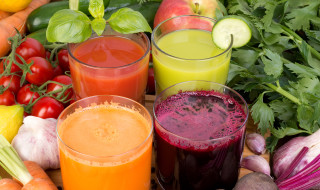
Vegetables are fundamental components of a healthy diet, offering a wealth of essential nutrients. For this reason, their daily inclusion in meals is highly recommended. Consuming vegetables in their raw state preserves heat-sensitive vitamins and enzymes that can be diminished during cooking. However, for individuals who find it challenging to consume raw vegetables, juicing presents a viable alternative. Freshly prepared vegetable juices can provide a concentrated source of vitamins, minerals, and phytonutrients essential for bodily functions. Furthermore, incorporating select herbs can enhance both the flavor and the nutritional profile of these beverages. This guide offers several evidence-informed recipes and outlines the necessary safety protocols for integrating vegetable juices into your diet responsibly.

Vegetable Juice Recipes for a Healthy Diet

Nutrient-Dense Vegetable Juice Recipes

Cabbage Juice

Cabbage, a cruciferous vegetable, is a key ingredient in various culinary dishes. It is an excellent source of Vitamin K and Vitamin C. Notably, red cabbage contains anthocyanins, a class of antioxidants being studied for their potential role in supporting cognitive health. To prepare the juice, finely grate or chop the cabbage, add a small amount of purified water, and process it in a juicer. For improved palatability, you can add a pinch of black pepper, sea salt, or freshly grated ginger. Combining it with carrot juice can also create a more balanced flavor profile.

Carrot and Beetroot Juice

This combination is a powerhouse of phytonutrients. Carrots are rich in beta-carotene, a precursor to Vitamin A, which is vital for vision and skin integrity. Meanwhile, beetroot is a significant source of dietary nitrates, which support cardiovascular health by promoting vasodilation. To prepare, first wash and peel the vegetables. Then, slice them into manageable pieces and feed them into the juicer, adding a stalk of celery for extra minerals and hydration. A squeeze of lemon juice can brighten the flavor and add Vitamin C, which may enhance the absorption of plant-based iron. For a naturally sweeter juice, select smaller, younger beetroots.

Carrot and Lemon Juice

The sweet, earthy flavor of carrots pairs exceptionally well with the bright acidity of lemon. Carrots provide abundant beta-carotene, which the body converts into Vitamin A. Lemon juice contributes a significant amount of Vitamin C, a potent antioxidant that helps neutralize oxidative stress from free radicals. To prepare this simple juice, wash, peel, and chop the carrots. Next, process them in a juicer with sufficient water. Finally, incorporate the juice of half a lemon and stir well. Serve chilled, optionally garnished with fresh mint leaves for additional flavor and digestive support.

Cucumber and Spinach Juice

This vibrant green juice is exceptionally hydrating and rich in minerals. Cucumber provides a high water content along with silica, which supports connective tissue health. Spinach contributes iron, calcium, magnesium, and potassium. Consequently, this juice can be a useful dietary addition for supplementing mineral intake. To prepare, combine one large, peeled cucumber with a generous handful of baby spinach and a few celery stalks in a juicer. After juicing, you may strain the liquid to remove any excess foam. Add the juice of one lemon before serving to enhance flavor and nutrient synergy. Consuming this beverage fresh is ideal for maximizing its nutritional benefits.

Administration Protocol and General Safety Limits

Consumption Duration and Variety

Vegetable juices should supplement a balanced diet, not replace it. It is advisable to rotate the types of vegetables you juice to ensure a broad spectrum of nutrients and to avoid the overconsumption of specific plant compounds.

  • Recommended Use: Incorporate one serving of fresh juice 3-4 times per week as part of a varied diet.
  • Mandatory Break: Avoid long-term “juice fasts” or “cleanses,” as they are nutritionally incomplete and lack scientific support.

Quantity and Maximum Dose

Moderation is key to preventing potential adverse effects from concentrated nutrients.

  • Maximum Daily Dose: A healthy adult should generally limit intake to 8-12 ounces (approximately 240-350 ml) per day.
  • Overconsumption Risk: Exceeding this amount, particularly with certain vegetables, can strain the kidneys and digestive system. For instance, very high intake of carrot juice can lead to carotenemia, a harmless but noticeable yellowing of the skin.

Administration Conditions

To maximize benefits and minimize risks, consider how and when you consume your juice.

  • Timing: Consuming juice on an empty stomach may allow for quicker nutrient absorption. However, drinking it with a meal that contains fat and fiber can slow the absorption of sugars and improve the uptake of fat-soluble vitamins like beta-carotene.
  • Method of Consumption: Always drink juice immediately after preparation, as oxidation rapidly degrades its vitamin content.
  • Incompatibilities: Be mindful of medication interactions (see Contraindications section).

Specific Biological Limitations of Juicing

Fiber Removal and Glycemic Impact

The primary drawback of juicing is the removal of insoluble fiber. This fiber is crucial for digestive health, satiety, and slowing the absorption of sugar into the bloodstream. Without it, vegetable juices—especially those containing sweeter vegetables like beets and carrots—can cause a more rapid spike in blood sugar levels compared to eating the whole vegetable. This effect is particularly concerning for individuals with insulin resistance, pre-diabetes, or diabetes.

Concentration of Antinutrients

Juicing concentrates all components of a vegetable, including compounds known as antinutrients. While generally harmless in normal dietary amounts, their high concentration in juices can pose risks for susceptible individuals.

  • Oxalates: Spinach, beets, and chard are high in oxalates. In high concentrations, oxalates can bind with calcium and form crystals, potentially contributing to the formation of kidney stones in predisposed individuals.
  • Goitrogens: Raw cruciferous vegetables like cabbage, kale, and broccoli contain goitrogens, compounds that can interfere with thyroid hormone production. While cooking deactivates most goitrogens, consuming large quantities of these vegetables in raw juice form may be problematic for individuals with hypothyroidism or other thyroid disorders.

Contraindications and Precautions for Vegetable Juicing

Absolute Contraindications

  • Chronic Kidney Disease (CKD): Juices can be high in potassium and phosphorus, which must be restricted in individuals with impaired kidney function. The oxalate content in many juices also poses a significant risk.
  • History of Oxalate Kidney Stones: Individuals with a history of calcium oxalate stones should avoid or strictly limit juices made from high-oxalate vegetables like spinach and beetroot.

Vulnerable Populations

  • Pregnancy and Breastfeeding: A balanced diet with adequate fiber and protein is essential. Juice should only be a minor supplement, and unpasteurized juices carry a risk of foodborne illness.
  • Children: Children require a balanced diet of whole foods for proper growth. Juice should not replace whole vegetables or other food groups.
  • Individuals with Diabetes: Due to the lack of fiber and potential for blood sugar spikes, juicing requires careful planning and monitoring of blood glucose levels.

Major Drug Interactions

  • Anticoagulants (e.g., Warfarin): Green juices rich in spinach, kale, and cabbage contain high levels of Vitamin K. This vitamin plays a key role in blood clotting and can directly counteract the effects of warfarin, reducing its efficacy and increasing the risk of thrombosis.
  • Blood Pressure Medications: Beetroot juice is known to lower blood pressure due to its high nitrate content. Combining it with antihypertensive drugs could lead to an excessive drop in blood pressure (hypotension).

When to Stop Immediately

Discontinue juice consumption and consult a healthcare provider if you experience digestive distress, symptoms of an allergic reaction (such as hives or swelling), or any other unusual symptoms.

Therapeutic Alternatives to Juicing

If juicing is not suitable for you, several excellent alternatives provide similar or superior nutritional benefits.

  1. Eating Whole Vegetables: This is the gold standard. Consuming vegetables whole—raw, steamed, or lightly cooked—provides all the vitamins, minerals, and, most importantly, the dietary fiber that is lost during juicing.
  2. Blending (Smoothies): Blending vegetables and fruits into a smoothie retains the fiber. This makes smoothies a more balanced option that supports digestive health and provides greater satiety than juice.

Note: Each dietary approach has its own set of considerations. Consult a nutritionist or healthcare provider to determine the best approach for your individual health needs.

Specialist’s Summary

Vegetable juices can be a practical method for increasing the intake of certain vitamins and minerals, particularly for those who struggle to consume enough whole vegetables. However, they are not a substitute for whole foods due to the critical loss of dietary fiber. Their consumption is contraindicated for individuals with kidney disease and requires caution in those with diabetes or taking specific medications like anticoagulants. The most beneficial approach is to incorporate small amounts of fresh, varied juice into a diet rich in whole, unprocessed plant foods.

Frequently Asked Questions

Is drinking vegetable juice as healthy as eating whole vegetables?
No. While juice provides a concentrated source of vitamins and minerals, it lacks the dietary fiber found in whole vegetables. Fiber is essential for digestive health, blood sugar regulation, and satiety. Therefore, eating whole vegetables is considered a healthier and more complete option.

Can I lose weight with a juice-only diet?
Juice-only diets or “cleanses” are not recommended for sustainable weight loss. The initial weight loss observed is often due to water loss and calorie restriction, not fat loss. These diets are nutritionally incomplete, lack fiber and protein, and can lead to muscle loss and nutrient deficiencies.

Which vegetables should be used with caution when juicing raw?
Cruciferous vegetables (cabbage, broccoli, kale) should be consumed in moderation in raw juice form by individuals with thyroid conditions due to their goitrogen content. Vegetables high in oxalates (spinach, beetroot) should be limited by those prone to kidney stones.

Sources and References

  1. Henning, S. M., et al. (2017). Health benefit of vegetable/fruit juice-based diet: Role of microbiome. Scientific Reports, 7(1), 2167. Link to study
  2. Lidder, S., & Webb, A. J. (2013). Vascular effects of dietary nitrate (as found in green leafy vegetables and beetroot) via the nitrate-nitrite-nitric oxide pathway. British Journal of Clinical Pharmacology, 75(3), 677–696. Link to study
  3. Slavin, J. L., & Lloyd, B. (2012). Health benefits of fruits and vegetables. Advances in Nutrition, 3(4), 506–516. Link to study


You may also like

Leave a Comment