Body Changes After Quitting Soda: A Health Timeline
Regular consumption of soda, particularly sugar-sweetened beverages (SSBs), is linked by extensive medical research to a range of health challenges. While it may seem like a harmless habit, the high sugar content, artificial ingredients, and acidity can significantly impact your well-being. According to the World Health Organization (WHO), high intake of free sugars is a primary contributor to poor dietary quality, obesity, and the risk of noncommunicable diseases.
However, the positive news is that your body has a remarkable capacity to heal. When you decide to eliminate soda, a series of beneficial changes begin almost immediately. This guide outlines what you can expect—from the first 24 hours to the first year—and introduces evidence-based phytotherapeutic strategies to support you through the transition, helping manage cravings and withdrawal symptoms effectively.
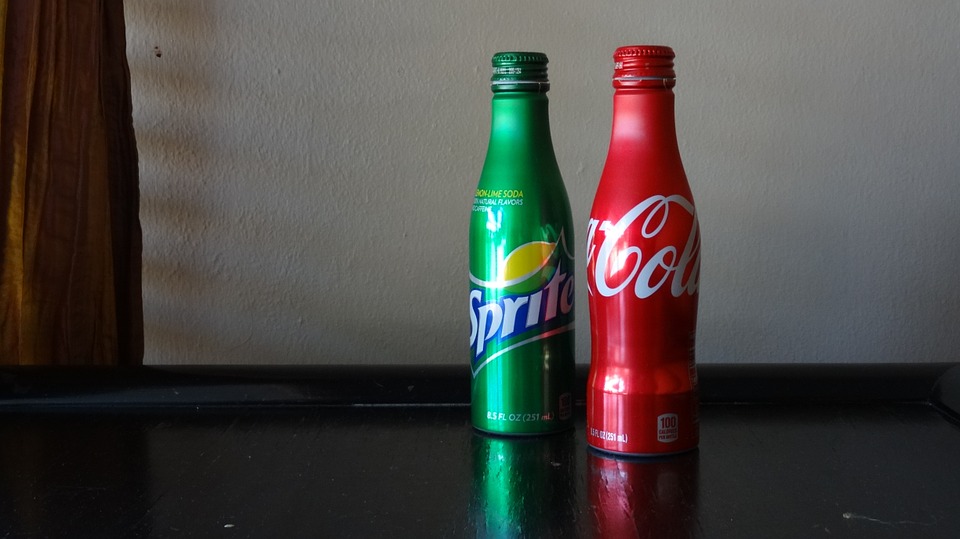
The Health Timeline: What Happens When You Quit Soda
Eliminating soda initiates a cascade of positive physiological responses. Here is a timeline of the key improvements you may experience, supported by scientific evidence.
Within 24-48 Hours: Blood Sugar Stabilization
The first noticeable change occurs in your metabolic system. Without the constant influx of high-fructose corn syrup or refined sugar, your pancreas gets a much-needed rest. Consequently, your blood sugar and insulin levels begin to stabilize, reducing the dramatic energy spikes and crashes that fuel cravings and fatigue.
Within One Week: Improved Hydration and Kidney Function
Sodas are often diuretics due to their caffeine and sugar content, which can lead to mild dehydration. By replacing soda with water or herbal teas, you enhance your hydration status. Furthermore, this improves kidney function, as they can more effectively filter waste from your blood without being burdened by excessive sugar and chemical processing. Research published in the journal Epidemiology suggests that drinking two or more colas per day is associated with an increased risk of chronic kidney disease.
Within One Month: Reduced Cardiovascular Strain
Within just a few weeks, you can see significant improvements in cardiovascular health markers. A 2021 study in the Journal of the American Heart Association confirmed that daily consumption of SSBs is linked to adverse changes in blood lipid profiles, including higher triglycerides and lower HDL (“good”) cholesterol. Therefore, quitting soda can help normalize these levels and lower your blood pressure, reducing the overall strain on your heart.
Within Six Months: Potential for Weight Loss and Reduced Visceral Fat
Soda provides “empty calories” with no nutritional value, contributing directly to weight gain, particularly visceral fat—the dangerous fat surrounding your organs. By eliminating hundreds of liquid calories from your daily diet, you create a calorie deficit that supports sustainable weight loss. Moreover, improved insulin sensitivity helps your body manage fat storage more efficiently.
Within One Year: Stronger Bones and Teeth
- Dental Health: The high acidity (e.g., phosphoric and citric acid) in soda erodes tooth enamel, making teeth vulnerable to cavities and decay. Eliminating this acidic exposure allows your saliva to remineralize enamel more effectively, halting the erosion process.
- Bone Density: Colas, in particular, contain phosphoric acid, which has been linked to lower bone mineral density. Research suggests it may interfere with calcium absorption. Consequently, quitting soda reduces this risk and supports long-term bone health, lowering the future risk of osteoporosis.
Phytotherapeutic Support for Managing the Transition
Quitting soda can trigger withdrawal symptoms, primarily sugar cravings and caffeine withdrawal headaches. Certain botanicals can provide natural support to ease this process.
1. For Managing Sugar Cravings: Gymnema (Gymnema sylvestre)
Traditionally used in Ayurvedic medicine, Gymnema is known as “gurmar,” which translates to “sugar destroyer.” Its active compounds, gymnemic acids, can help reduce sugar cravings in two ways:
- Blocking Sweet Receptors: When consumed, gymnemic acids temporarily block the sugar receptors on your taste buds, making sweet foods and drinks taste less appealing.
- Supporting Blood Sugar: Preliminary research indicates that Gymnema may support healthy glucose metabolism, helping to prevent the sharp blood sugar drops that trigger intense cravings.
2. For Caffeine Withdrawal and Fatigue: Green Tea (Camellia sinensis)
If you are quitting caffeinated sodas, switching to green tea can be an excellent tapering strategy. It contains a lower amount of caffeine than most sodas and coffee, but it also provides L-theanine. This amino acid promotes relaxation and mental focus without drowsiness, effectively counteracting the “jittery” effects of caffeine and easing withdrawal headaches.
3. For a Healthy, Flavorful Alternative: Hibiscus (Hibiscus sabdariffa)
To replace the ritual of drinking a flavorful, bubbly beverage, consider sparkling hibiscus tea. Hibiscus has a tart, cranberry-like flavor and a vibrant red color. Furthermore, clinical studies, including a meta-analysis published in the Journal of Hypertension, have shown that regular consumption of hibiscus tea may help lower blood pressure. Simply brew strong hibiscus tea, let it cool, and mix it with sparkling water for a refreshing and health-promoting soda substitute.
Administration Protocol and Safety Limits for Herbal Support
When using herbal aids, it is crucial to follow proper protocols for safety and efficacy.
| Herb | Administration Protocol | Safety Limits |
|---|---|---|
| Gymnema (Gymnema sylvestre) | Form: Standardized extract capsules or powder. Take 100-200 mg with water 15-20 minutes before meals where you anticipate sugar cravings. Duration: Use for up to 4 weeks, followed by a 2-week break. |
Max Dose: Do not exceed 400 mg per day. Overuse may lead to hypoglycemia (low blood sugar), especially when combined with diabetes medication. |
| Green Tea (Camellia sinensis) | Form: Brewed tea. Drink 1-3 cups per day, preferably in the morning or early afternoon to avoid sleep disruption. Method: Steep 1 teaspoon of leaves in hot (not boiling) water for 2-3 minutes. |
Max Dose: Consumption of more than 5-6 cups per day may lead to caffeine-related side effects. Avoid concentrated extracts unless advised by a professional. |
| Hibiscus (Hibiscus sabdariffa) | Form: Brewed tea (infusion). Use 1-2 teaspoons of dried calyces per cup of hot water. Steep for 5-10 minutes. Can be consumed daily. | Max Dose: Generally safe, but excessive consumption (over 1 liter per day) may have a diuretic effect. Those on blood pressure medication should monitor their levels. |
Contraindications and Precautions
Always consult a healthcare provider before starting any new herbal supplement, especially if you have pre-existing conditions or are taking medication.
- Gymnema: Absolutely contraindicated for individuals on diabetes medication (insulin, metformin) unless under strict medical supervision, due to the risk of hypoglycemia. Avoid before surgery. Not recommended during pregnancy or breastfeeding due to lack of safety data.
- Green Tea: Individuals with anxiety, heart conditions, or iron-deficiency anemia should consume with caution. High doses of caffeine can interfere with certain medications, including blood thinners and stimulants.
- Hibiscus: May interact with blood pressure and diabetes medications. It can also affect how the body processes acetaminophen (Tylenol). Avoid during pregnancy, as it may stimulate menstruation.
Therapeutic Alternatives
If the suggested herbs are not suitable for you, consider these alternatives:
- Cinnamon (Cinnamomum verum): Another excellent herb for supporting blood sugar balance. Adding cinnamon to water, tea, or food can help curb sweet cravings. It works by improving insulin sensitivity.
- Peppermint (Mentha piperita): A refreshing herbal tea that can serve as a flavorful, calorie-free replacement for soda. It is also traditionally used to aid digestion and uplift mood.
- Licorice Root (Glycyrrhiza glabra): Provides a natural sweetness and is an adaptogen that can help the body cope with stress during the transition. Note: Use DGL (deglycyrrhizinated) licorice to avoid effects on blood pressure. Long-term use of whole licorice is contraindicated for people with hypertension.
Recent Medical Research (2020-2026)
Modern research continues to reinforce the dangers of high soda consumption and explore the benefits of cessation.
- A 2023 meta-analysis published in The BMJ reviewed multiple studies and found clear associations between high consumption of SSBs and an increased risk of obesity, type 2 diabetes, and cardiovascular disease.
- Research in the journal Nutrients (2022) highlighted the impact of SSBs on the gut microbiome, suggesting that artificial sweeteners and sugars can negatively alter gut bacteria composition, which is linked to inflammation and metabolic dysfunction.
The scientific consensus is clear: reducing or eliminating soda is one of the most impactful dietary changes a person can make for their long-term health.
Specialist’s Summary
Quitting soda offers profound health benefits, starting with blood sugar stabilization within days and leading to improved cardiovascular, bone, and dental health within a year. The transition can be challenging due to sugar and caffeine withdrawal, but phytotherapy offers valuable support. Botanicals like Gymnema can help manage cravings, while Green Tea can ease caffeine withdrawal, and Hibiscus provides a healthy, flavorful alternative. Always use these herbs with respect for their contraindications, particularly concerning medications for diabetes and hypertension.
Frequently Asked Questions
1. How long does it take to stop craving soda?
The most intense cravings typically last for the first 3-7 days as your body adjusts to new blood sugar levels. For most people, cravings significantly decrease after 2-4 weeks. Using herbs like Gymnema can help shorten this period.
2. Is diet soda a healthy alternative?
While diet soda is calorie-free, emerging research suggests artificial sweeteners may negatively impact the gut microbiome and could still perpetuate a preference for intensely sweet tastes, making it harder to appreciate natural flavors. Most health experts recommend water and unsweetened herbal teas as the best alternatives.
3. What can I drink for an energy boost instead of soda?
For a gentle lift, try green tea or yerba mate, which provide caffeine with other balancing compounds. For a caffeine-free boost, consider an adaptogenic tea with Rhodiola or Ginseng, which can help improve energy and focus without stimulants. Consult a professional before using adaptogens.
4. Is it safe for children to use these herbal remedies to quit soda?
No. The use of concentrated herbal supplements like Gymnema extract is not recommended for children due to a lack of safety research. For children, focus on behavioral strategies and offering appealing alternatives like fruit-infused sparkling water or diluted, unsweetened juices.
Sources and References
- Malik, V. S., & Hu, F. B. (2022). The role of sugar-sweetened beverages in the global epidemics of obesity and chronic diseases. Nature Reviews Endocrinology, 18(4), 205-218. Link to study
- Xie, L., et al. (2023). Sugar-sweetened beverage consumption and risk of cardiovascular diseases: a meta-analysis of prospective cohort studies. The BMJ.
- Serban, C., et al. (2017). Effect of sour tea (Hibiscus sabdariffa L.) on arterial hypertension: a systematic review and meta-analysis of randomized clinical trials. Journal of Hypertension, 35(6), 1119-1127. Link to study
- World Health Organization. (2015). Guideline: Sugars intake for adults and children. Geneva: World Health Organization.
⚠️ Important Medical Information
This article is for educational and informational purposes only and is not intended as medical advice, diagnosis, or treatment. The information provided about herbal remedies like Gymnema, Green Tea, and Hibiscus is based on traditional use, preliminary research, and available scientific evidence, which may be limited.
Before using any herbal supplement:
- Consult a qualified healthcare provider, especially if you are pregnant, breastfeeding, taking medications, or have existing health conditions like diabetes or hypertension.
- Do not use as a substitute for prescribed medications or professional medical treatment.
- Individual results may vary – what works for one person may not work for another.
- Monitor for adverse reactions and discontinue use if negative symptoms occur.



