The Role of Salt and Sugar in Hydration: A Scientific Look
While it is widely understood that excessive consumption of salt and sugar can have detrimental health effects, their combined role in specific physiological processes, particularly hydration, is a subject of significant scientific interest. Indeed, high salt intake is linked to increased risks of hypertension and osteoporosis, while excess sugar is associated with metabolic conditions like diabetes and obesity. Therefore, limiting daily intake of both is a cornerstone of a healthy lifestyle.
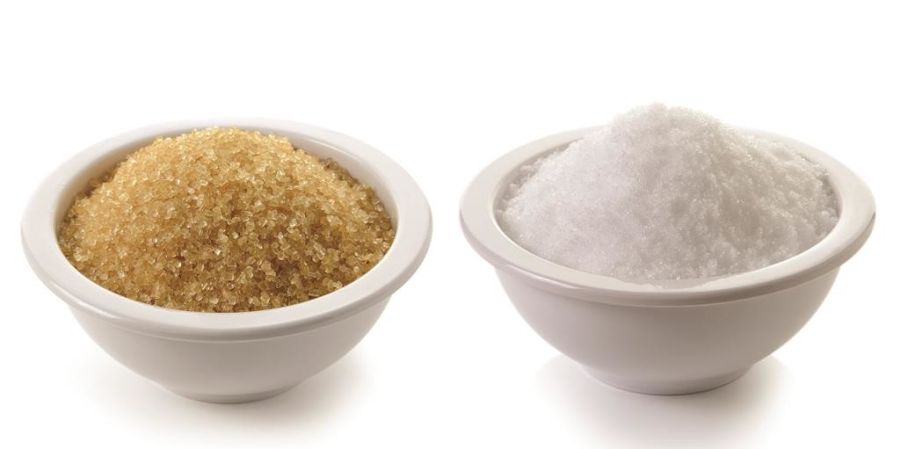
However, the combination of sodium (from salt) and glucose (from sugar) plays a crucial role in how our bodies absorb water and maintain energy. This principle is not a folk remedy but the basis for medically recognized Oral Rehydration Therapy (ORT). This article will explore the evidence-based science behind this mechanism, clarify misconceptions, and provide clear safety guidelines.
The Science of Hydration: The Sodium-Glucose Cotransport System
The primary validated benefit of a salt and sugar combination relates to cellular absorption. In the small intestine, a specific mechanism known as the sodium-glucose cotransport system (SGLT1) is responsible for transporting glucose from the gut into the bloodstream. Importantly, this process requires sodium to function.
When sodium and glucose are present together, they bind to the SGLT1 protein, which then transports them into the intestinal cells. This movement creates an osmotic gradient, which in turn pulls water from the intestines into the cells and, subsequently, into the bloodstream. For this reason, a solution containing a balanced ratio of salt, sugar, and water can hydrate the body more effectively than water alone, especially during periods of significant fluid loss. This is the fundamental principle behind sports drinks and medical oral rehydration solutions (ORS).
Evaluating Common Claims: What the Evidence Says
Many folk remedies attribute a wide range of benefits to a simple salt and sugar mixture. However, it is critical to separate anecdotal claims from scientific evidence.
- Energy and Fatigue: This claim has a basis in science. By facilitating rapid absorption of glucose, the body’s primary energy source, and improving hydration, this combination can help combat fatigue caused by dehydration and low blood sugar. According to a study in the journal Nutrients, proper hydration and electrolyte balance are essential for maintaining cognitive function and physical performance.
- Stress and Insomnia: The claim that this mixture treats insomnia or stress is not supported by robust clinical evidence. While acute stress can deplete sodium and affect blood sugar, using a salt-sugar mix is not a recommended or effective treatment. In fact, consuming sugar before bed can disrupt sleep architecture by causing an initial spike and subsequent crash in blood glucose levels. For managing stress and sleep, evidence-based phytotherapeutic options are more appropriate.
- Immune System Support: There is no direct evidence that a salt and sugar mixture strengthens the immune system. While severe dehydration and electrolyte imbalances can impair immune function, correcting this is a supportive measure, not a direct immune-boosting action. A balanced diet rich in vitamins and minerals is the proven way to support immunity.
Administration Protocol and Safety Limits
Using a salt and sugar solution should be reserved for specific, short-term situations like rehydration after intense exercise or during mild cases of diarrhea, and not as a daily supplement.
Treatment Duration
- Usage period: Only use for short periods (1-2 days) to manage acute dehydration.
- Mandatory break: This is not a tonic for continuous use. It should not be consumed regularly.
- Purpose: Its sole validated purpose is for rapid rehydration, not for treating chronic conditions.
Quantity and Maximum Dose
- Medically Approved Formula: The World Health Organization (WHO) has a precise formula for Oral Rehydration Salts (ORS): 3.5g sodium chloride, 2.9g trisodium citrate, 1.5g potassium chloride, and 20g glucose per liter of water.
- Homemade Version (Emergency Only): A simplified version is 6 level teaspoons of sugar and 1/2 level teaspoon of salt mixed in 1 liter of clean water. However, commercially prepared ORS products are strongly recommended as they contain other essential electrolytes like potassium and are precisely balanced.
- Overdose Risk: Consuming a solution with too much salt can worsen dehydration and dangerously elevate blood sodium levels (hypernatremia). Conversely, too much sugar can cause osmotic diarrhea, further exacerbating fluid loss.
Administration Condition
- Timing: Sip slowly over a period of hours. Do not drink large quantities at once.
- Incompatibilities: Do not mix with milk, sugary juices, or soft drinks, as this will alter the osmotic balance and reduce effectiveness.
- Additional requirements: This solution is intended to replace lost fluids and electrolytes. It is not a substitute for food or comprehensive medical care in cases of severe illness.
Specific Biological Limitation
The primary limitation of using a salt and sugar mixture is its direct impact on blood pressure and blood glucose levels. The sodium component can cause fluid retention and increase blood pressure, while the glucose component directly raises blood sugar. This effect is beneficial for rapid rehydration in a healthy individual but becomes dangerous for those with pre-existing metabolic or cardiovascular conditions.
Contraindications and Precautions
Absolute contraindications (FORBIDDEN):
- Hypertension (High Blood Pressure): The sodium load can dangerously increase blood pressure.
- Diabetes (Type 1 or Type 2): The sugar content can lead to hyperglycemia (high blood sugar).
- Kidney Disease: Impaired kidneys may be unable to excrete the excess sodium and fluid, leading to overload.
- Congestive Heart Failure: The added sodium can cause fluid retention, placing additional strain on the heart.
Vulnerable populations:
- Pregnancy: Uncontrolled intake could exacerbate risks of gestational diabetes or preeclampsia.
- Children: Children require specific pediatric rehydration formulas with lower sodium content. Never give adult-strength solutions to infants or young children without medical supervision.
Therapeutic Alternatives
If a salt and sugar solution is unsuitable, consider these validated alternatives for specific needs.
For Hydration:
- Commercial Oral Rehydration Salts (ORS): These are the gold standard. Products like Pedialyte or Hydralyte are formulated with the correct balance of electrolytes (including potassium) and are safer and more effective than homemade versions.
- Coconut Water: A natural source of electrolytes, particularly potassium. It is lower in sodium than ORS but can be useful for mild rehydration post-exercise.
For Stress and Sleep Support:
- Valerian Root (Valeriana officinalis): Traditionally used and clinically studied for its potential to improve sleep quality by interacting with GABA receptors in the brain.
- Chamomile (Matricaria recutita): A well-known calming herb, often consumed as a tea to promote relaxation and sleep. Its effects are attributed to the antioxidant apigenin.
- Magnesium Glycinate: A highly bioavailable form of magnesium that may help regulate neurotransmitters involved in sleep and relaxation.
Recent Medical Research (2020-2026)
Modern research continues to affirm the efficacy of ORT based on the sodium-glucose cotransport mechanism.
- A 2020 review in Nutrients reaffirmed that glucose-electrolyte solutions are superior to water for rehydration following exercise-induced dehydration.
- Research published in the Journal of Applied Physiology continues to explore optimal carbohydrate and sodium concentrations in hydration drinks to maximize fluid absorption and athletic performance, highlighting the precision required in these formulations.
Current Limitations: While the mechanism for hydration is well-established, research does not support the use of salt and sugar mixtures for other purported benefits like treating insomnia or boosting immunity. Such claims lack a scientific basis and can be misleading.
Specialist’s Summary
A salt and sugar solution is a scientifically validated tool for rapid rehydration due to the sodium-glucose cotransport mechanism, which enhances water absorption. However, its use should be limited to short-term management of dehydration. It is not a remedy for stress, insomnia, or poor immunity and is strictly contraindicated for individuals with hypertension, diabetes, or kidney disease. For safe and effective rehydration, commercially prepared ORS products are always the superior choice.
Frequently Asked Questions
Is it safe to drink salt and sugar water every day?
No. Daily consumption is not recommended. This solution is designed for short-term rehydration during specific instances of fluid loss. Regular intake can lead to an excess of sodium and sugar, contributing to long-term health problems like high blood pressure and metabolic issues.
Can a salt and sugar mix help with sleep?
There is no scientific evidence to support this claim. Consuming sugar before bed can disrupt sleep patterns. For sleep issues, it is better to consult a healthcare provider and explore evidence-based options like herbal remedies or lifestyle changes.
What is the best way to rehydrate after exercise?
For moderate exercise lasting less than an hour, plain water is usually sufficient. For prolonged or intense exercise with significant sweating, a properly formulated sports drink or an oral rehydration solution is more effective at replacing lost fluids and electrolytes.
Sources and References
Recent studies (2020-2026):
- Shrimanker, I., & Bhattarai, S. (2023). Electrolytes. In StatPearls. StatPearls Publishing.
- Belval, L. N., Hosokawa, Y., Casa, D. J., et al. (2020). Practical Hydration Solutions for Sports. Nutrients, 12(7), 1937.
Official Monographs:
⚠️ Important Medical Information
This article is for educational and informational purposes only and is not intended as medical advice, diagnosis, or treatment. The information provided about salt and sugar solutions is based on established physiological principles and scientific evidence, which may not apply to your individual health situation.
Before using any homemade rehydration solution:
- Consult a qualified healthcare provider, especially if you are pregnant, breastfeeding, taking medications, or have existing health conditions such as diabetes, hypertension, or kidney disease.
- Do not use as a substitute for prescribed medications or professional medical treatment for any condition.
- Individual results may vary – what is appropriate for one person may be harmful to another.
- Monitor for adverse reactions and discontinue use if negative symptoms occur. In cases of severe dehydration, seek immediate medical attention.
Regulatory status: Homemade remedies are not regulated. For safety and efficacy, commercially available Oral Rehydration Salts (ORS) that have been formulated to meet medical standards are strongly recommended.



