Why Fad Diets Fail: A Guide to Sustainable Weight Management
Losing weight can be a challenging journey, which is why many people are drawn to the promises of fad diets. These plans often appear to offer a quick and simple solution for shedding unwanted pounds. However, while the allure of rapid results is strong, these diets are frequently unsustainable and can pose significant risks to your long-term health by disrupting your body’s natural metabolic balance.
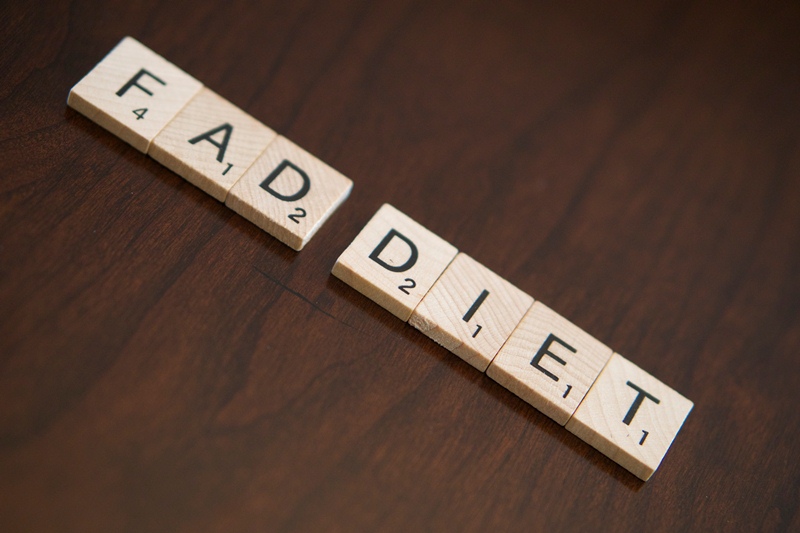
Understanding Fad Diets and Their Physiological Impact
A fad diet is typically a short-term eating plan that promotes rapid weight loss, often by severely restricting food groups, calories, or prescribing unconventional eating patterns. For instance, they might eliminate all carbohydrates or fats, or focus exclusively on a few “miracle” foods.
Common Types of Fad Diets and Their Risks
- Liquid-Only Diets: These diets, which often involve only juices or broths, eliminate essential dietary fibre. Consequently, this can negatively impact gut health and lead to rapid weight regain once solid foods are reintroduced. Furthermore, they lack protein and essential fats, leading to muscle loss and fatigue.
- High-Protein, Low-Carbohydrate Diets: While promoting muscle maintenance, extreme versions place significant strain on the kidneys and liver, which must process excess nitrogen from protein metabolism. Moreover, eliminating complex carbohydrates can lead to deficiencies in fibre, vitamins, and minerals.
- Severe Caloric Restriction (e.g., Cabbage Soup Diet): These diets cause a rapid loss of water weight and muscle mass, not primarily fat. In response, the body’s basal metabolic rate slows down to conserve energy, making future weight loss more difficult and rebound weight gain almost certain.
- Unscientific Food Combining Diets: The claim that specific food combinations can accelerate fat burning lacks scientific support. Digestion is a complex process, and the human body is well-equipped to handle mixed meals.
The Dangers of Yo-Yo Dieting
The cycle of losing and regaining weight, often called yo-yo dieting, has several scientifically documented disadvantages that go beyond simple frustration.
- Metabolic Slowdown: When you drastically cut calories, your body enters a state of perceived starvation. As a result, it slows down your metabolism to conserve energy. This makes it harder to lose weight over time and easier to regain it once you stop the diet.
- Nutrient Deficiencies: Eliminating entire food groups like grains, dairy, or fruits deprives your body of crucial micronutrients. For example, a lack of B vitamins from whole grains can impair energy production, while insufficient calcium from dairy can affect bone health. These nutrients are vital for preventing chronic conditions such as heart disease and osteoporosis.
- Loss of Lean Muscle Mass: Rapid weight loss is often a combination of water, fat, and muscle. Since muscle tissue is metabolically active and burns more calories at rest than fat, losing it further slows your metabolism and weakens your body.
- Psychological Impact: The restrictive nature of fad diets can foster an unhealthy relationship with food, leading to cycles of guilt and binge eating. This approach undermines the development of sustainable, healthy lifestyle habits that include balanced nutrition and regular physical activity.
A Sustainable Approach: Phytotherapy for Metabolic Support
Instead of resorting to extreme measures, a more effective strategy involves creating a sustainable lifestyle supported by balanced nutrition, regular exercise, and targeted botanical remedies. Certain plants can help regulate appetite, support stable blood sugar levels, and enhance metabolic function without the harmful effects of fad diets.
Glucomannan (from Konjac Root) for Satiety
Glucomannan is a highly viscous, soluble dietary fibre derived from the root of the elephant yam, or konjac (Amorphophallus konjac). Its primary mechanism of action is its exceptional ability to absorb water, forming a bulky gel in the stomach. This promotes a feeling of fullness (satiety), which can help reduce overall calorie intake.
According to a meta-analysis published in the American Journal of Clinical Nutrition, supplementation with glucomannan has been shown to result in a modest but statistically significant reduction in body weight.
| Dosage | 1 gram, taken with 1-2 full glasses (8-16 oz) of water, 30-60 minutes before a main meal. Do not exceed 3-4 grams per day. |
| Duration | Can be used for up to 4 months continuously. A 2-week break is recommended before resuming. |
| Administration | CRITICAL: Must be taken with sufficient water to avoid esophageal or intestinal obstruction. Never take the powder dry. |
| Overdose Risk | Exceeding the recommended dose without adequate fluid can cause choking, bloating, or blockages in the digestive tract. |
Specific Biological Limitation of Glucomannan
Glucomannan’s gelling action can slow the absorption of other substances in the gut. This is beneficial for blunting sugar absorption but becomes a risk for individuals taking oral medications. It can reduce the bioavailability of drugs, including oral diabetes medications and certain vitamins, rendering them less effective.
Cinnamon (Cinnamomum verum) for Blood Sugar Regulation
One of the key drivers of weight gain and food cravings is unstable blood sugar. Ceylon cinnamon (Cinnamomum verum) contains compounds, notably cinnamaldehyde, that may help improve insulin sensitivity. This allows cells to use blood glucose more effectively, preventing the sharp spikes and crashes that lead to hunger and fat storage.
Research published in journals like Diabetes Care suggests that cinnamon can help lower fasting blood glucose levels in individuals with type 2 diabetes or prediabetes, making it a useful adjunct for metabolic health.
| Dosage | 1 to 3 grams of Ceylon cinnamon powder per day, divided between meals. Start with a lower dose to assess tolerance. |
| Duration | Use for up to 3 months, followed by a 1-month break. |
| Administration | Best taken with meals containing carbohydrates to help manage the post-meal glucose response. Can be sprinkled on food or mixed into a beverage. |
| Safety Note | Prefer Ceylon cinnamon (C. verum) over Cassia cinnamon (C. cassia), as Cassia contains higher levels of coumarin, a compound that can be toxic to the liver in large amounts. |
Contraindications and Precautions
Absolute Contraindications
- Glucomannan: Individuals with esophageal strictures, dysphagia (difficulty swallowing), or previous intestinal obstructions should not use this supplement.
- Cinnamon: People with known liver disease should avoid high doses or long-term use of Cassia cinnamon due to its coumarin content. An allergy to cinnamon is also a contraindication.
Vulnerable Populations
- Pregnancy and Breastfeeding: The safety of glucomannan and therapeutic doses of cinnamon has not been established. Therefore, their use is not recommended.
- Children: These supplements are not recommended for children without professional medical supervision.
Major Drug Interactions
- Glucomannan: May reduce the absorption of any oral medication. Take medications at least 1 hour before or 4 hours after taking glucomannan. It can also enhance the effect of diabetes medications, increasing the risk of hypoglycemia.
- Cinnamon: May interact with diabetes medications (e.g., metformin, insulin), potentially causing blood sugar to drop too low. It may also interact with hepatotoxic (liver-damaging) drugs.
Therapeutic Alternatives
If the botanicals mentioned above are not suitable, other evidence-based options can support metabolic health:
- Green Tea Extract (Camellia sinensis): Standardized for catechins like EGCG, it has been shown in numerous studies to support thermogenesis (calorie burning) and fat oxidation. It offers a metabolic boost rather than an appetite-suppressing effect.
- Fenugreek (Trigonella foenum-graecum): Similar to glucomannan, its seeds are rich in soluble fibre, which can promote satiety. Additionally, it has demonstrated effects on improving glucose control, offering a dual benefit.
- Berberine: This compound, found in plants like Goldenseal and Oregon Grape, has a powerful effect on blood sugar and metabolism, often compared to the pharmaceutical drug metformin in clinical studies. However, it has significant drug interactions and requires medical supervision.
Recent Medical Research (2020-2026)
Recent scientific inquiry continues to validate the role of dietary fibre and metabolic modulators in weight management. A 2022 systematic review confirmed that viscous fibres like glucomannan are effective in improving satiety and reducing body weight. Furthermore, a 2021 meta-analysis on cinnamon highlighted its benefits for improving glycemic control in prediabetic individuals. The current scientific consensus is that while no single herb is a “magic bullet,” certain botanicals can be powerful tools within a holistic weight management plan that includes diet and exercise.
Specialist’s Summary
Fad diets ultimately fail because they work against the body’s physiology, leading to metabolic damage and weight regain. A sustainable approach focuses on balanced nutrition and lifestyle changes. Botanicals like Glucomannan can effectively aid this process by promoting satiety, while Cinnamon helps regulate blood sugar to control cravings. These are not standalone cures but valuable supports for a long-term health strategy. Always prioritize safety, especially concerning pre-existing conditions and medication use.
Frequently Asked Questions
1. Can herbs help me lose weight without changing my diet?
No. Botanical supplements are aids, not replacements for a healthy lifestyle. Their primary role is to support your body’s natural processes, making it easier to adhere to a balanced diet and exercise plan. For instance, glucomannan helps you feel full, so you naturally eat less, but it does not cancel out the effects of a poor diet.
2. How long does it take to see results with these herbs?
The effects are gradual and supportive. You may notice increased satiety from glucomannan within the first few days. The metabolic benefits of cinnamon build over several weeks of consistent use. Sustainable weight loss of 1-2 pounds per week is a realistic and healthy goal.
3. Is Cassia cinnamon dangerous?
In small culinary amounts, Cassia cinnamon is generally safe. However, for therapeutic daily supplementation, it poses a risk of liver toxicity due to its higher coumarin content. Ceylon cinnamon is the safer choice for regular, long-term use in doses intended for health support.
4. Are these supplements safe for everyone?
No. Glucomannan is unsafe for individuals with swallowing difficulties or intestinal blockages. Cinnamon in therapeutic doses should be used with caution by those on diabetes medication or with liver conditions. Always consult a healthcare provider before starting any new supplement.
Sources and References
- Zalewski, B. M., Chmielewska, A., Szajewska, H. (2022). The effect of glucomannan on body weight in overweight or obese children and adults: a systematic review of randomized controlled trials. Nutrition.
- Kizilaslan, N., & Erdem, N. Z. (2021). The Effect of Cinnamon on Glycemic Control in Individuals with Prediabetes: A Systematic Review and Meta-Analysis. Journal of the American College of Nutrition.
- Keithley, J. K., Swanson, B., Mikolaitis, S. L., et al. (2013). Safety and efficacy of glucomannan for weight loss in overweight and moderately obese adults. Journal of Obesity.
⚠️ Important Medical Information
This article is for educational and informational purposes only and is not intended as medical advice, diagnosis, or treatment. The information provided about fad diets and botanical supplements is based on traditional use, preliminary research, and available scientific evidence, which may be limited.
Before using any herbal supplement:
- Consult a qualified healthcare provider, especially if you are pregnant, breastfeeding, taking medications, or have existing health conditions like diabetes or liver disease.
- Do not use as a substitute for prescribed medications or a comprehensive weight management plan developed with a professional.
- Individual results may vary – what works for one person may not work for another.
- Monitor for adverse reactions and discontinue use if negative symptoms occur.



