Nutritional Support for Hair Growth: A Science-Based Food Guide
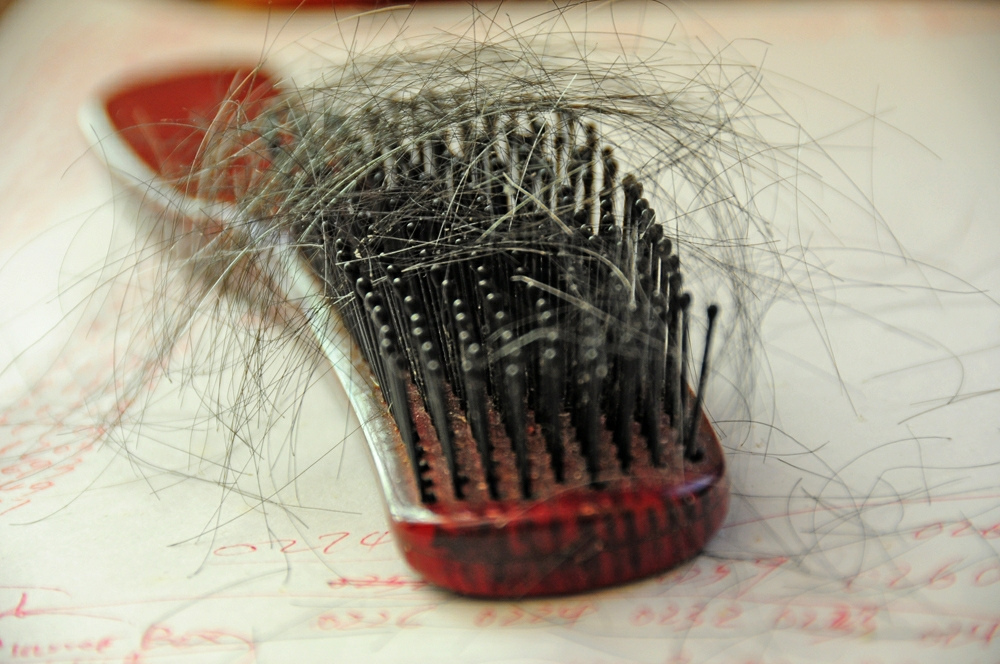
While many expensive products promise stronger, healthier hair, the foundation of hair vitality often begins with nutrition. If you are experiencing increased hair shedding—typically defined as losing more than 100 hairs per day—it may be beneficial to evaluate your dietary intake. However, it is crucial to understand that nutrition primarily supports hair health and may help with shedding caused by deficiencies, but it is not a cure for all types of hair loss, such as those driven by genetics or autoimmune conditions.
This guide provides an evidence-based overview of the essential nutrients for hair follicle health and the foods that contain them. Furthermore, it is essential to consult a healthcare provider or dermatologist to diagnose the root cause of hair loss before starting any new dietary regimen.
The Role of Key Nutrients in Hair Health
Hair follicles are highly metabolic structures requiring a steady supply of specific vitamins and minerals to support the complex cycle of hair growth. Deficiencies in these key nutrients can disrupt this cycle, leading to increased shedding or weaker hair shafts.
1. Protein: The Building Block of Hair
Mechanism of Action: Hair is composed of approximately 95% keratin, a fibrous structural protein. Consequently, inadequate protein intake can force hair follicles into a resting (telogen) phase, leading to noticeable shedding, a condition known as telogen effluvium. Amino acids, the building blocks of protein, are essential for keratin synthesis.
- Excellent Food Sources: Eggs, oily fish (salmon, mackerel), lean beef, beans, and lentils are rich in high-quality protein. Eggs are particularly beneficial as they also provide biotin.
2. Iron: The Oxygen Transporter
Mechanism of Action: Iron is a critical component of hemoglobin, which transports oxygen to all cells, including the hair follicles. Research published in the Journal of Korean Medical Science has consistently linked iron deficiency, with or without anemia, to various forms of hair loss, especially telogen effluvium and female pattern hair loss.
- Excellent Food Sources: Lean beef, oysters, spinach, lentils, and fortified cereals. To enhance absorption, consume iron-rich foods with a source of Vitamin C (e.g., citrus fruits, bell peppers).
3. Zinc: The Follicle Regulator
Mechanism of Action: Zinc plays a vital role in hair tissue growth and repair. It also helps keep the oil glands around the follicles working correctly. According to a review in the journal Dermatology and Therapy, zinc deficiency is a well-established cause of hair loss, and supplementation has been shown to improve hair growth in deficient individuals.
- Excellent Food Sources: Nuts (almonds, cashews), seeds (pumpkin, sunflower), beef, and shellfish.
4. Omega-3 Fatty Acids: The Scalp Soother
Mechanism of Action: These essential fatty acids possess anti-inflammatory properties that can help promote scalp health. A healthy scalp environment is fundamental for robust hair growth. Studies suggest that omega-3s may help increase hair density and reduce the telogen (resting) phase of the hair cycle.
- Excellent Food Sources: Oily fish like salmon, herring, and mackerel, as well as plant-based sources like flax seeds and walnuts.
5. B-Complex Vitamins (especially Biotin)
Mechanism of Action: Biotin (Vitamin B7) is a well-known coenzyme involved in keratin production. While true biotin deficiency is rare, ensuring adequate intake is important for hair health. Other B-vitamins, like folate, are essential for creating red blood cells that nourish the scalp and follicles.
- Excellent Food Sources: Eggs, nuts, seeds, and oily fish are all excellent sources of various B-vitamins.
Dietary Guidelines and Safety Considerations
While incorporating these nutrient-dense foods is beneficial, balance is key. Over-supplementing with certain nutrients can be counterproductive or even harmful.
| Nutrient | Recommended Approach | Safety Warning |
|---|---|---|
| Protein | Aim for a source of protein with each meal. A varied intake from both animal and plant sources is ideal. | Excessive protein intake can strain the kidneys in individuals with pre-existing renal conditions. |
| Iron & Zinc | Include 2-3 servings of lean red meat per week, or focus on beans, lentils, and seeds for plant-based options. | Do not take iron or zinc supplements without a confirmed deficiency diagnosed by a blood test, as excess can be toxic. |
| Nuts & Seeds | A small handful (about 1 ounce or 30 grams) daily is a good target. Add to salads, yogurt, or oatmeal. | Nuts are calorie-dense. Be mindful of portion sizes. Some nuts, like Brazil nuts, are extremely high in selenium; more than 2-3 per day can lead to selenium toxicity. |
Specific Biological Limitation
Nutritional interventions are most effective for hair loss related to dietary deficiencies (Telogen Effluvium). For androgenetic alopecia (male or female pattern baldness), which is primarily driven by genetics and hormones (specifically dihydrotestosterone or DHT), diet plays a supportive role but cannot reverse the underlying condition. Similarly, hair loss from autoimmune diseases like alopecia areata requires specific medical treatment.
Contraindications and Precautions
While a food-based approach is generally safe, certain considerations are necessary.
- Food Allergies: Be aware of potential allergies to nuts, fish, eggs, or other recommended foods.
- Pre-existing Conditions: Individuals with kidney disease, heart conditions, or thyroid disorders should consult their healthcare provider before making significant dietary changes. For instance, high consumption of red meat may be inadvisable for those with cardiovascular risk factors.
- Medication Interactions: Foods rich in Vitamin K (like spinach) can interact with blood thinners. High-fiber foods like beans and seeds can affect the absorption of certain medications.
Therapeutic Alternatives
If dietary changes are insufficient or your hair loss has a different cause, other validated options exist. Always consult a professional before using them.
- Botanical Alternatives:
- Saw Palmetto (Serenoa repens): Traditionally used and now studied for its potential to inhibit 5-alpha-reductase, the enzyme that converts testosterone to DHT. It is primarily considered for androgenetic alopecia.
- Rosemary (Rosmarinus officinalis) Essential Oil: A 2015 clinical trial published in Skinmed found that topical application of rosemary oil was as effective as 2% minoxidil for androgenetic alopecia after six months, possibly by improving scalp circulation.
- Pharmacological Options:
- Minoxidil (Topical): An over-the-counter medication that can stimulate hair growth and slow balding.
- Finasteride (Oral): A prescription medication for men that works by blocking DHT production.
Note: Each alternative has its own specific contraindications and potential side effects.
Recent Medical Research (2020-2026)
Modern research continues to reinforce the connection between micronutrients and hair follicle health. A 2022 review in the International Journal of Molecular Sciences emphasized that deficiencies in iron, zinc, niacin, and biotin are strongly associated with hair loss. Furthermore, a 2020 study in the Journal of Drugs in Dermatology highlighted the role of oxidative stress in hair aging and loss, underscoring the importance of antioxidant-rich foods.
Current Limitations: While the link between deficiency and hair loss is clear, there is less evidence to suggest that mega-dosing supplements beyond daily requirements will promote extra growth in healthy individuals. The consensus remains that a balanced diet is the most effective strategy.
Specialist’s Summary
A balanced diet rich in protein, iron, zinc, and essential fatty acids is fundamental for supporting the hair growth cycle and may help reduce shedding, particularly when caused by nutritional gaps. This approach is most effective for deficiency-related hair loss and serves a supportive role for genetic or hormonal conditions. Before considering supplements or drastic dietary changes, a medical diagnosis is essential to identify the true cause of hair loss. Validated alternatives like topical rosemary oil or medical treatments like minoxidil may be more appropriate for conditions such as androgenetic alopecia.
Frequently Asked Questions
1. Can changing my diet completely stop hair loss?
No. A balanced diet can correct deficiency-related hair loss and support overall hair health, but it cannot stop or reverse genetically or hormonally driven conditions like male/female pattern baldness. It is a supportive measure, not a cure.
2. How long does it take to see hair improvement from diet?
Since hair grows slowly (about half an inch per month), it can take at least 3 to 6 months to notice a visible improvement in hair thickness or a reduction in shedding after correcting a nutritional deficiency.
3. Is it better to get these nutrients from food or supplements?
Food is almost always the preferred source. Nutrients from whole foods are more bioavailable and come packaged with other beneficial compounds. Supplements should only be used to correct a diagnosed deficiency under the guidance of a healthcare provider.
4. Are these dietary recommendations safe for everyone?
Generally, yes, as they focus on a balanced, whole-foods diet. However, individuals with food allergies (e.g., nuts, fish) or specific medical conditions (e.g., kidney disease) must tailor their diet to their personal health needs and consult a professional.
Sources and References
- Almohanna, H. M., Ahmed, A. A., Tsatalis, J. P., & Tosti, A. (2019). The Role of Vitamins and Minerals in Hair Loss: A Review. Dermatology and Therapy, 9(1), 51–70. https://doi.org/10.1007/s13555-018-0278-6
- Goloshey, K., & Goren, A. (2020). The Role of Oxidative Stress in the Pathology of Hair Aging. Journal of Drugs in Dermatology, 19(7), 678-682.
- Panahi, Y., Taghizadeh, M., Marzony, E. T., & Sahebkar, A. (2015). Rosemary oil vs minoxidil 2% for the treatment of androgenetic alopecia: a randomized comparative trial. Skinmed, 13(1), 15–21.
- Hossain, M. A., & Akter, S. (2022). Role of Micronutrients in the Health of Hair. International Journal of Molecular Sciences, 23(5), 2671. https://doi.org/10.3390/ijms23052671
⚠️ Important Medical Information
This article is for educational and informational purposes only and is not intended as medical advice, diagnosis, or treatment. The information provided about nutrition for hair health is based on available scientific evidence, which may be limited.
Before making significant dietary changes:
- Consult a qualified healthcare provider or registered dietitian, especially if you are pregnant, breastfeeding, taking medications, or have existing health conditions like hair loss.
- Do not use this information as a substitute for a professional medical diagnosis or treatment plan.
- Individual results may vary – nutritional needs are unique to each person.
- Monitor for adverse reactions and discontinue any dietary change that causes negative symptoms.



