Chia Seeds for Digestive Health: Benefits, Recipes, and Safe Use
Chia seeds (*Salvia hispanica*), once a staple food for ancient Aztec and Mayan cultures, have gained significant recognition in modern nutrition for their dense nutrient profile. Historically, these seeds were prized for their ability to provide sustained energy—in fact, the word “chia” is the ancient Mayan word for “strength.” Today, scientific research is beginning to validate their traditional uses, particularly for supporting digestive health, cardiovascular function, and blood sugar regulation.
However, while these tiny seeds are powerful, it is crucial to understand how to use them correctly to maximize benefits and avoid potential risks. This article provides an evidence-based guide to incorporating chia seeds into your diet safely and effectively.
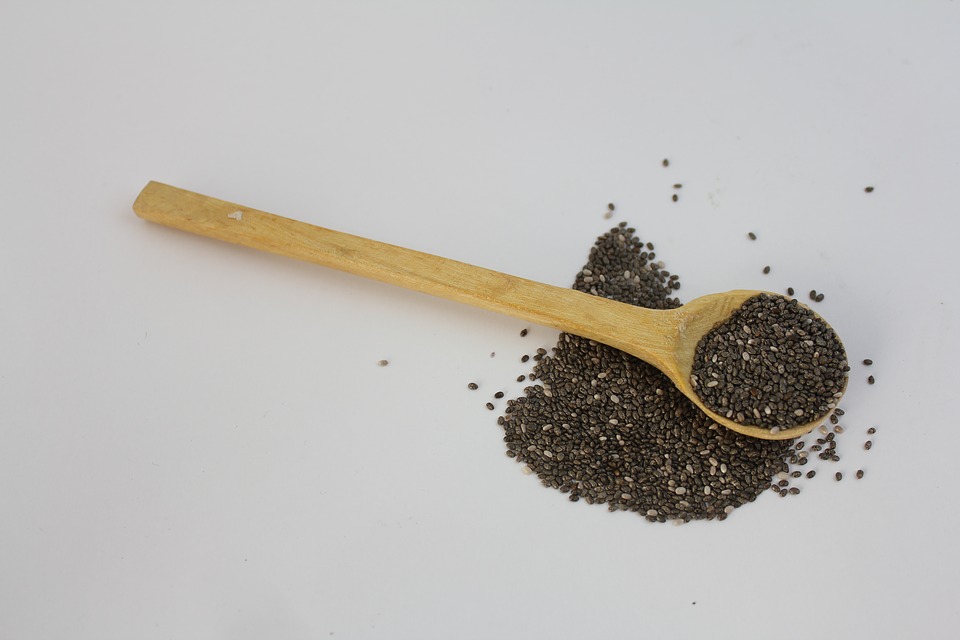
The Science-Backed Benefits of Chia Seeds
Chia seeds are not just a passing trend; their health potential is rooted in their unique nutritional composition. They are an excellent source of alpha-linolenic acid (ALA), a plant-based omega-3 fatty acid, dietary fiber (especially soluble fiber), protein, and essential minerals like calcium, magnesium, and phosphorus.
1. Supports Digestive Regularity and Gut Health
The most notable benefit of chia seeds is their high fiber content. When mixed with liquid, they form a gel-like substance known as mucilage. This soluble fiber acts as a prebiotic, feeding beneficial bacteria in the gut. Furthermore, this gel adds bulk to stool, which can help promote regular bowel movements and alleviate occasional constipation. A study published in the Journal of Food Science and Technology highlights how this high fiber content contributes positively to gastrointestinal health.
2. May Aid in Blood Sugar Management
The soluble fiber in chia seeds can slow the absorption of sugar into the bloodstream. Consequently, this helps prevent sharp spikes in blood glucose levels after meals. For this reason, research published in the journal Nutrients suggests that regular consumption of chia seeds may be a beneficial dietary addition for individuals looking to maintain stable blood sugar levels, particularly in the context of a balanced diet.
3. Contributes to Cardiovascular Health
Chia seeds are one of the richest plant sources of ALA omega-3 fatty acids. According to the Academy of Nutrition and Dietetics, ALA is essential for heart health. Moreover, clinical studies indicate that diets rich in fiber and ALA, such as those including chia seeds, are associated with lower levels of LDL (“bad”) cholesterol and reduced blood pressure, both of which are key risk factors for heart disease.
Administration Protocol and Safety Limits
While chia seeds are a food, consuming them correctly is essential for safety and efficacy. Their ability to absorb large amounts of liquid is both a benefit and a potential risk if not managed properly.
Recommended Daily Intake
- Standard Adult Dose: 1 to 2 tablespoons (approximately 15-30 grams) per day is a commonly recommended amount.
- Starting Dose: If you are new to high-fiber foods, begin with 1 teaspoon per day and gradually increase your intake over a week to allow your digestive system to adapt.
Safe Preparation and Consumption
- Mandatory Pre-Soaking: ALWAYS mix chia seeds with sufficient liquid (water, milk, juice) before consumption. A general ratio is 1 part chia seeds to 10 parts liquid. Allow them to soak for at least 15-30 minutes, or until they have formed a complete gel.
- Hydration: Drink plenty of water throughout the day when consuming chia seeds. Because they absorb liquid, inadequate hydration can contribute to digestive discomfort or constipation.
- Timing: Chia seeds can be consumed at any time of day. Taking them with meals can help promote satiety and regulate post-meal blood sugar.
Specific Biological Limitation
The primary limitation of chia seeds stems from their powerful hydrophilic (water-absorbing) properties. Each seed can absorb up to 27 times its weight in water. While this creates the beneficial gel, it also poses a significant risk if consumed dry.
Technical Warning: Esophageal Obstruction Risk
Consuming dry chia seeds followed by a glass of water can cause the seeds to expand in the esophagus before reaching the stomach. This can form a thick, obstructive mass, creating a medical emergency, particularly for individuals with a history of dysphagia (difficulty swallowing) or other esophageal strictures. Therefore, pre-soaking is not just a recommendation; it is a critical safety measure.
Contraindications and Precautions
Absolute Contraindications (Do Not Use)
- History of Dysphagia or Esophageal Strictures: Individuals with any swallowing difficulties should avoid chia seeds due to the high risk of obstruction.
- Known Allergy: Although rare, allergies to chia seeds can occur. Individuals with allergies to other seeds in the Lamiaceae family (e.g., sesame, mustard) may have a higher risk of cross-reactivity.
Precautions and Potential Drug Interactions
- Blood Pressure Medications: Chia seeds may have a modest blood pressure-lowering effect. If you are taking antihypertensive drugs, monitor your blood pressure and consult your doctor, as medication adjustments may be necessary.
- Diabetes Medications: Due to their effect on blood sugar, chia seeds may enhance the effects of insulin or other diabetes medications. Monitor blood glucose levels closely to avoid hypoglycemia.
- Blood Thinners (Anticoagulants): The high omega-3 content could theoretically have a mild blood-thinning effect. Use with caution and consult a healthcare provider if you are taking medications like warfarin or aspirin.
Potential Adverse Effects
The most common side effect is digestive distress, such as bloating, gas, or cramping. This typically occurs when increasing fiber intake too quickly or without sufficient water. To prevent this, start with a small dose and increase gradually.
Simple and Healthy Chia Seed Recipes
Incorporating chia seeds into your diet is simple. The following recipes are easy to prepare and leverage the gelling properties of the seeds.
Classic Chia Seed Pudding
This recipe creates a thick, creamy pudding without any cooking.
Ingredients:
- 1/3 cup of chia seeds
- 1 cup of coconut milk (or any other milk)
- 2 tablespoons of honey or maple syrup
- ½ tablespoon of vanilla extract
- A pinch of salt
Instructions:
- Combine all ingredients in a jar or bowl and stir well to ensure there are no clumps.
- Cover and refrigerate for at least 30 minutes, or preferably overnight. The mixture will thicken into a pudding-like consistency.
- Serve chilled, topped with fresh fruit, nuts, or a sprinkle of cinnamon.
Fruit Juice Chia Pudding
A refreshing and simple way to enjoy chia seeds.
Ingredients:
- 50 grams (about 1/4 cup) of chia seeds
- 125 ml (about 1/2 cup) of fresh, homemade fruit juice (e.g., orange, apple, or berry)
Instructions:
- Pour the fruit juice into a glass or bowl.
- Add the chia seeds and stir thoroughly.
- Let the mixture sit for 5 minutes, then stir again to break up any clumps.
- Cover and refrigerate overnight. In the morning, you will have a vibrant, healthy fruit pudding.
Therapeutic Alternatives
If chia seeds are not suitable for you, other botanicals offer similar benefits for fiber and omega-3 content.
| Alternative | Primary Benefit | When to Choose It |
|---|---|---|
| Flax Seeds (Linum usitatissimum) | Rich in ALA Omega-3s and both soluble and insoluble fiber. Also contains lignans with antioxidant properties. | An excellent alternative for both fiber and omega-3s. Must be ground before consumption to unlock nutrients. |
| Psyllium Husk (Plantago ovata) | Extremely high in soluble fiber, making it highly effective for promoting bowel regularity. | Choose this when the primary goal is purely fiber supplementation for constipation or diarrhea, as it contains minimal fats or proteins. |
| Hemp Seeds (Cannabis sativa) | A great source of complete protein and a balanced ratio of omega-6 to omega-3 fatty acids. | Ideal for those looking to increase protein intake alongside healthy fats. Hemp seeds do not form a gel. |
Note: Each alternative has its own usage guidelines and potential contraindications.
Recent Medical Research (2020-2026)
Modern research continues to explore the health impacts of chia seeds. A 2021 systematic review published in the journal Foods concluded that chia seed consumption is associated with improvements in several cardiovascular risk factors, including body weight, blood pressure, and cholesterol levels. Furthermore, a 2023 meta-analysis in the European Journal of Clinical Nutrition reinforced the evidence for chia’s beneficial effects on glycemic control in individuals with type 2 diabetes. However, researchers note that most studies are short-term, and more long-term human trials are needed to establish definitive clinical guidelines.
Specialist’s Summary
Chia seeds (*Salvia hispanica*) are a nutritionally dense food primarily useful for supporting digestive regularity and contributing to cardiovascular and metabolic health due to their high fiber and ALA omega-3 content. Their benefits are best realized with a daily intake of 1-2 tablespoons, always pre-soaked in liquid to prevent esophageal obstruction. They are contraindicated for individuals with swallowing difficulties and require caution when used alongside medications for blood pressure and diabetes. Validated alternatives include flax seeds for a similar nutrient profile and psyllium husk for targeted fiber support.
Frequently Asked Questions
1. Do you have to soak chia seeds before eating them?
Yes, it is strongly recommended. Soaking allows them to form a gel, which makes them easier to digest and eliminates the risk of them expanding in your esophagus and causing a blockage. Consuming them dry is not considered safe.
2. Can chia seeds help with weight loss?
Chia seeds may support weight management, but they are not a magic solution. The high fiber content promotes a feeling of fullness (satiety), which can help reduce overall calorie intake. However, this effect is only beneficial as part of a balanced diet and active lifestyle.
3. How much chia seed is too much?
Exceeding 2-3 tablespoons per day without being accustomed to high fiber intake can lead to digestive side effects like bloating and gas. It is best to stick to the recommended 1-2 tablespoons daily and ensure you drink plenty of water.
4. Is it safe to eat chia seeds every day?
Yes, for most people, it is safe to consume chia seeds daily as part of a varied diet, provided you follow the safety protocols for soaking and hydration and do not have any contraindications.
Sources and References
- Ullah, R., et al. (2021). Nutritional and Therapeutic Perspectives of Chia (Salvia hispanica L.): A Review. Journal of Food Science and Technology.
- Teoh, S. L., et al. (2023). The effect of chia seed on glycaemic control in adults with type 2 diabetes: a systematic review and meta-analysis of randomised controlled trials. European Journal of Clinical Nutrition.
- Ferreira, T. S., et al. (2021). The Effect of Chia Seed (Salvia hispanica L.) Consumption on Cardiovascular Risk Factors: A Systematic Review. Foods.
⚠️ Important Medical Information
This article is for educational and informational purposes only and is not intended as medical advice, diagnosis, or treatment. The information provided about Chia Seeds is based on traditional use, preliminary research, and available scientific evidence, which may be limited.
Before using Chia Seeds:
- Consult a qualified healthcare provider, especially if you are pregnant, breastfeeding, taking medications, or have existing health conditions like dysphagia or digestive disorders.
- Do not use as a substitute for prescribed medications or professional medical treatment.
- Individual results may vary – what works for one person may not work for another.
- Monitor for adverse reactions and discontinue use if negative symptoms occur.



