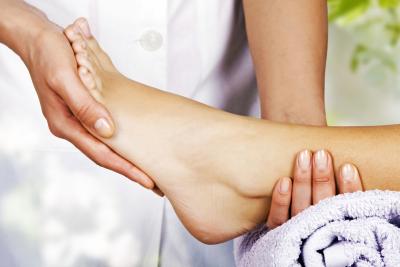
Foot massage, a practice rooted in ancient cultures from Egypt to China, is now recognized within complementary medicine for its significant health benefits. While traditionally associated with concepts like reflexology, modern research has begun to uncover the physiological mechanisms that make it an effective tool for wellness. This evidence-based guide explores the scientifically supported benefits of foot massage, proper techniques, and crucial safety protocols to ensure its effective and responsible use.

1. Significant Reduction in Stress and Anxiety
One of the most well-documented effects of foot massage is its ability to induce deep relaxation and lower psychological stress. The feet contain thousands of nerve endings, and applying pressure to them can stimulate the parasympathetic nervous system, which is responsible for the body’s “rest and digest” response. Consequently, this helps to lower the production of cortisol, the primary stress hormone.
For instance, a 2020 study published in the Journal of Advanced Nursing found that foot massage significantly reduced anxiety and improved vital signs in patients in intensive care units. The mechanism involves shifting the autonomic nervous system away from a state of high alert (sympathetic) towards one of calm and recovery (parasympathetic).
2. Effective Pain Management
Foot massage can be a valuable non-pharmacological tool for managing both acute and chronic pain. According to the gate control theory of pain, non-painful stimuli (like massage) can interfere with the transmission of pain signals to the brain. Furthermore, massage promotes the release of endorphins, the body’s natural painkillers.
Clinical observations show its effectiveness for conditions like plantar fasciitis, foot pain from prolonged standing, and even pain in other parts of the body. A meta-analysis in Pain Management Nursing (2022) concluded that foot reflexology massage was an effective intervention for reducing pain in patients with various conditions, including cancer and post-operative discomfort.
3. Improved Local Circulation
The physical act of massaging tissues increases local blood flow through vasodilation (the widening of blood vessels). Improved circulation delivers more oxygen and nutrients to the cells in the feet and lower legs while helping to remove metabolic waste products. This is particularly beneficial for individuals who are sedentary or have jobs that require long periods of sitting or standing.
However, it is crucial to note that massage does not “cleanse” or “detoxify” the body, as these functions are managed by the liver and kidneys. The primary circulatory benefit is localized to the massaged area.
4. Lowering Blood Pressure
The relaxation response induced by foot massage can have a direct, albeit often temporary, effect on blood pressure. By reducing stress and anxiety, massage helps to lower heart rate and causes blood vessels to relax, which can lead to a decrease in both systolic and diastolic blood pressure readings.
Research published in the Journal of Clinical Nursing has demonstrated that regular foot massage sessions can contribute to lower blood pressure in individuals with pre-hypertension, suggesting it can be a useful complementary therapy alongside conventional medical care.
5. Enhanced Sleep Quality
Given its profound relaxing effects, it is not surprising that foot massage can improve sleep. By calming the nervous system and reducing pain or discomfort before bedtime, it can help individuals fall asleep faster and experience deeper, more restorative sleep cycles. This is partly due to the promotion of serotonin, a neurotransmitter that is a precursor to melatonin, the hormone that regulates sleep.
6. Support for Mental and Emotional Well-being
Beyond simple relaxation, the act of receiving a foot massage provides a sense of care and nurturing that can boost mood and combat feelings of depression. The focused, comforting touch can be a powerful tool for grounding and reducing feelings of isolation. When shared between partners, it can also enhance intimacy and emotional connection.
7. Alleviation of Headaches and Migraines
While the mechanism is still being studied, some research suggests that foot massage, particularly reflexology-style massage, may help reduce the frequency and severity of headaches. Theories propose that stimulating nerves in the feet may help interrupt pain signals or release tension in the neck and shoulders that contribute to tension headaches.
Safe Practice Protocol and Limits
To maximize benefits and minimize risks, it is essential to follow a safe protocol for foot massage.
| Parameter | Recommendation |
|---|---|
| Session Duration | 15-30 minutes for self-massage; 30-60 minutes for a professional session. |
| Frequency | Daily self-massage is generally safe. Professional sessions are typically recommended 1-4 times per month, depending on the goal. |
| Pressure Level | Pressure should be firm but comfortable. It should never cause sharp pain. Listen to your body or communicate with your therapist. |
| When to Perform | In the evening to promote sleep, or anytime during the day for stress relief. Avoid vigorous massage immediately after a heavy meal. |
Specific Biological Limitation
The primary biological risk associated with foot massage involves the circulatory system. Deep, vigorous massage on the lower legs can potentially dislodge a blood clot (thrombus) in a deep vein, a condition known as Deep Vein Thrombosis (DVT). If dislodged, this clot can travel to the lungs, causing a life-threatening pulmonary embolism. Therefore, anyone with a history or risk of blood clots must avoid deep tissue massage on their legs and feet and consult a doctor first.
Contraindications and Precautions
Foot massage is not safe for everyone. It is crucial to be aware of the following contraindications.
Absolute Contraindications (Massage is FORBIDDEN)
- Deep Vein Thrombosis (DVT): Risk of dislodging a blood clot.
- Recent Fractures or Unhealed Wounds: Can worsen the injury and cause severe pain.
- Active Gout Flare-up: Applying pressure to an inflamed joint will be extremely painful.
- Infections of the Foot: Conditions like cellulitis or fungal infections can be spread or worsened.
- Severe, Uncontrolled Peripheral Neuropathy: Inability to feel pain can lead to tissue damage from excessive pressure.
Precautions for Vulnerable Populations
- Pregnancy: Gentle foot massage is generally safe and beneficial. However, some practitioners advise avoiding deep pressure on specific points around the ankle, which are traditionally thought to stimulate uterine contractions. Always consult a healthcare provider and seek a therapist trained in prenatal massage.
- Cancer: Patients should consult their oncologist. Massage should not be performed over tumor sites or areas receiving radiation.
- Osteoporosis: Individuals with severe osteoporosis should only receive very gentle massage to avoid the risk of fracture.
- Varicose Veins: Avoid direct, deep pressure over prominent varicose veins.
Therapeutic Alternatives
If foot massage is not suitable for you, consider these evidence-based alternatives for similar benefits:
- Topical Arnica Gel (Arnica montana): For localized pain and bruising, Arnica gel can be applied to the feet. It contains helenalin, a compound with anti-inflammatory properties. It is a good alternative for pain relief without deep pressure.
- Contrast Hydrotherapy: Alternating between soaking the feet in warm and cold water can stimulate circulation and reduce inflammation and pain. This is often recommended for conditions like plantar fasciitis.
- Aromatherapy with Lavender Oil (Lavandula angustifolia): For stress and anxiety relief, inhaling lavender essential oil or adding a few drops to a warm foot bath can activate the parasympathetic nervous system. Studies confirm its anxiolytic (anxiety-reducing) effects.
Recent Medical Research (2020-2026)
Recent studies continue to validate and explore the applications of foot massage:
- A 2022 systematic review in Complementary Therapies in Clinical Practice confirmed that foot reflexology is an effective nursing intervention for improving sleep quality in adults.
- Research published in Holistic Nursing Practice (2023) found that foot massage provided to nurses during their breaks significantly reduced occupational stress and burnout.
- Current Limitations: While evidence for general benefits like relaxation and pain relief is strong, research on reflexology’s ability to treat specific internal organ diseases remains inconclusive and lacks robust scientific support. More high-quality, large-scale trials are needed to confirm many of its more specific claims.
Specialist’s Summary
Foot massage is a highly effective and low-risk therapy for managing stress, anxiety, and localized pain in most healthy individuals. Its benefits are primarily mediated through the nervous and circulatory systems, appearing immediately during and after a session. However, it is absolutely contraindicated in individuals with blood clots, fractures, or active infections. Validated alternatives for pain and relaxation include topical arnica, hydrotherapy, and aromatherapy.
Frequently Asked Questions
1. Does foot reflexology actually work?
While the traditional theory of reflexology (mapping feet to organs) is not supported by science, the practice itself—applying pressure to nerve-rich areas of the feet—is effective for inducing relaxation, reducing pain, and improving well-being. The benefits likely come from neurological and circulatory stimulation, not from treating specific organs.
2. How often should I get a foot massage for chronic pain?
For chronic conditions like plantar fasciitis, a combination of regular self-massage (10-15 minutes daily) and professional sessions (1-2 times per week initially, then tapering off) may be beneficial. Always combine it with other recommended treatments like stretching and proper footwear.
3. Can foot massage be dangerous?
Yes, for certain individuals. The most significant danger is dislodging a blood clot in someone with Deep Vein Thrombosis (DVT). It is also contraindicated for those with fractures, open wounds, or severe neuropathy. Consulting a healthcare provider before starting is always the safest approach.
4. Is foot massage safe during pregnancy?
Gentle foot massage is generally considered safe and can be very helpful for relieving swelling and discomfort during pregnancy. However, it is advisable to seek a therapist certified in prenatal massage and to inform your doctor. Deep pressure on certain ankle points is often avoided as a precaution.
Sources and References
- Bahrami, T., et al. (2022). The effect of foot reflexology on sleep quality in adults: A systematic review and meta-analysis of randomized controlled trials. Complementary Therapies in Clinical Practice.
- Gozuyesil, E., & Basbakkal, Z. (2023). The Effect of Foot Massage on Nurses’ Work Stress and Burnout Levels. Holistic Nursing Practice.
- McCullough, J. E., et al. (2020). The effect of foot massage and reflexology on anxiety and physiological parameters in intensive care patients: A randomized controlled trial. Journal of Advanced Nursing.
- Lee, Y. H., et al. (2022). The Efficacy of Foot Reflexology on Pain: A Meta-Analysis of Randomized Controlled Trials. Pain Management Nursing.
⚠️ Important Medical Information
This article is for educational and informational purposes only and is not intended as medical advice, diagnosis, or treatment. The information provided about foot massage is based on traditional use, preliminary research, and available scientific evidence, which may be limited.
Before using foot massage as a therapy:
- Consult a qualified healthcare provider, especially if you are pregnant, have a history of blood clots, are undergoing cancer treatment, or have existing health conditions.
- Do not use as a substitute for prescribed medications or professional medical treatment for any disease.
- Individual results may vary – what works for one person may not work for another.
- Monitor for adverse reactions, such as increased pain or swelling, and discontinue if negative symptoms occur.